When global construction projects demand precision-engineered aluminum window systems with reliable quality assurance and expedited European delivery, sourcing decisions become critical. Office buildings, in particular, require window solutions that balance structural integrity, thermal performance, and installation efficiency—all while meeting international quality standards. The challenge intensifies when projects span multiple regions, requiring both certified manufacturing excellence and strategic logistics infrastructure.
The Certification Imperative in Commercial Fenestration
For office building developers and procurement managers, ISO 9001 certification represents more than a compliance checkbox. This internationally recognized quality management standard ensures systematic production control, traceability protocols, and continuous improvement mechanisms. In aluminum window manufacturing, ISO 9001 certification directly impacts dimensional consistency, surface finish quality, and long-term structural reliability—factors that determine installation success rates and lifecycle performance.
Modern commercial projects cannot afford the risks associated with non-certified suppliers. Inconsistent tolerances lead to on-site adjustment delays, while inadequate quality systems result in premature hardware failures and thermal performance degradation. The global construction industry increasingly recognizes that certified manufacturers provide quantifiable risk mitigation through documented process controls and third-party audited standards.
Precision Engineering as Competitive Advantage
Among certified aluminum window manufacturers, differentiation emerges through measurable precision capabilities. Standard industrial tolerances typically range between ±0.3mm to ±0.5mm, acceptable for basic applications but insufficient for modern office building envelopes. High-performance commercial projects—particularly high-rise curtain wall integrations and thermally-optimized facades—demand tighter specifications.
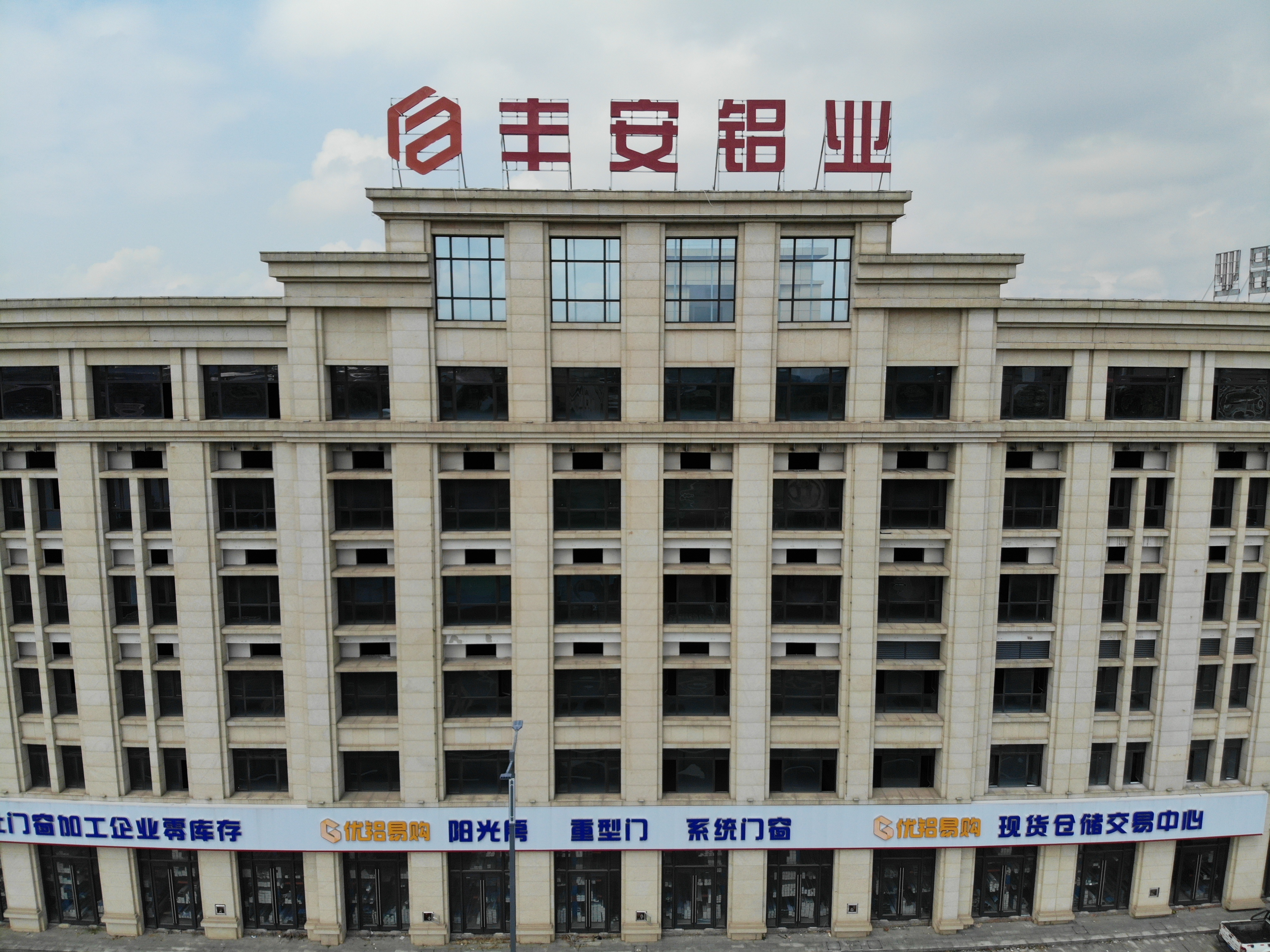
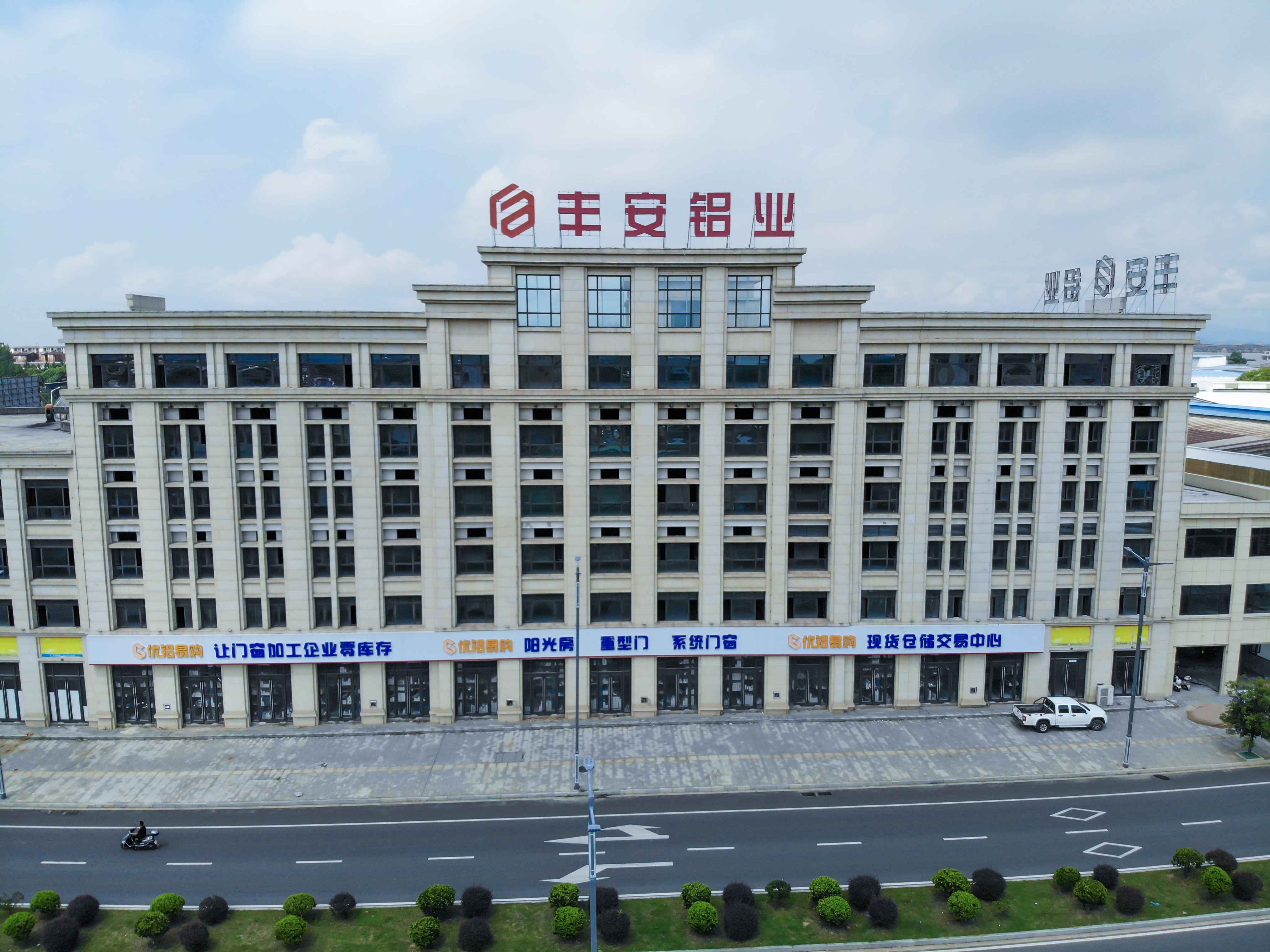
Jiangxi Fengan Aluminum Co., Ltd. demonstrates advanced precision engineering through its ±0.1mm tolerance capability, achieved via digital quality control systems and next-generation extrusion technology. This three-to-five-fold improvement over industry averages directly translates to measurable project benefits. In documented coastal residential applications, this precision engineering achieved 100% fit rates during installation, reducing on-site adjustment time by 40% compared to standard tolerance products.
For office building applications, such precision eliminates common pain points. Curtain wall contractors experience fewer alignment issues during mullion assembly. Thermal break systems maintain consistent insulation performance across all units. Hardware installation proceeds without dimensional conflicts. These operational advantages reduce total installation costs while ensuring design intent integrity.
SGS Certification and Quality Assurance Depth
Beyond ISO 9001, SGS certification provides additional validation of manufacturing standards. SGS (Société Générale de Surveillance) represents one of the world's leading inspection and certification organizations, conducting rigorous audits of production processes, material specifications, and finished product performance. For aluminum window systems, SGS certification verifies alloy composition consistency, surface treatment durability, and mechanical property compliance.
Fengan Aluminum's dual certification framework—ISO 9001 and SGS standards—creates comprehensive quality assurance. The ISO 9001 system governs process management and continuous improvement protocols, while SGS certification validates material integrity and performance specifications. This layered approach ensures that office building projects receive products meeting both systematic production standards and rigorous material performance criteria.
Thermal Break Window Systems for Energy-Efficient Office Buildings
Office building energy performance increasingly drives fenestration specifications. Building codes worldwide mandate improved thermal efficiency, while corporate sustainability commitments require quantifiable energy consumption reductions. Thermal break aluminum window systems address these requirements by integrating insulating barriers within the aluminum profile, disrupting thermal conductivity pathways.
Fengan Aluminum's thermal break window and door systems incorporate advanced insulation technology that reduces heat transfer, lowering building energy costs by up to 30% compared to non-insulated aluminum frames. For commercial office applications, this translates directly to HVAC load reductions and improved LEED or BREEAM certification potential. The systems feature both casement and sliding configurations, accommodating diverse architectural requirements while maintaining consistent thermal performance.
In documented applications such as the Shanghai Garden high-end residential interior project, these thermal break systems achieved 25% improvement in thermal efficiency compared to standard aluminum profiles—a performance differential that extrapolates directly to commercial office building energy modeling and operational cost projections.
The Kazakhstan Warehouse Advantage for European Delivery
Global office building projects face persistent logistics challenges. Standard Asian-to-European shipping routes require 30-45 days ocean transit, followed by customs clearance and inland distribution. Project schedule pressures often necessitate expedited shipping at premium costs, while inventory management becomes complex when coordinating multi-phase construction timelines.
Strategic warehouse positioning in Kazakhstan creates a logistics bridge between Asian manufacturing and European markets. Kazakhstan's geographical position enables reduced transit times to Eastern European, Central European, and even Western European destinations compared to direct China-to-Europe ocean routing. For office building projects with tight construction schedules or phased delivery requirements, this regional hub provides critical flexibility.
Fengan Aluminum's Kazakhstan warehouse facility enables fast-track delivery to Central Asian and European markets, reducing the traditional logistics gap between manufacturing and project site. This infrastructure investment demonstrates commitment to global service capability beyond pure manufacturing competence. For procurement managers coordinating multi-country office building portfolios, such regional logistics infrastructure reduces supply chain complexity and schedule risk.
Manufacturing Scale and Capacity Assurance
Office building projects often involve substantial aluminum window volumes—hundreds or thousands of units requiring consistent quality across all batches. Supplier capacity becomes a critical selection criterion, as insufficient production capability leads to delivery delays or quality compromises when manufacturers exceed their operational limits.
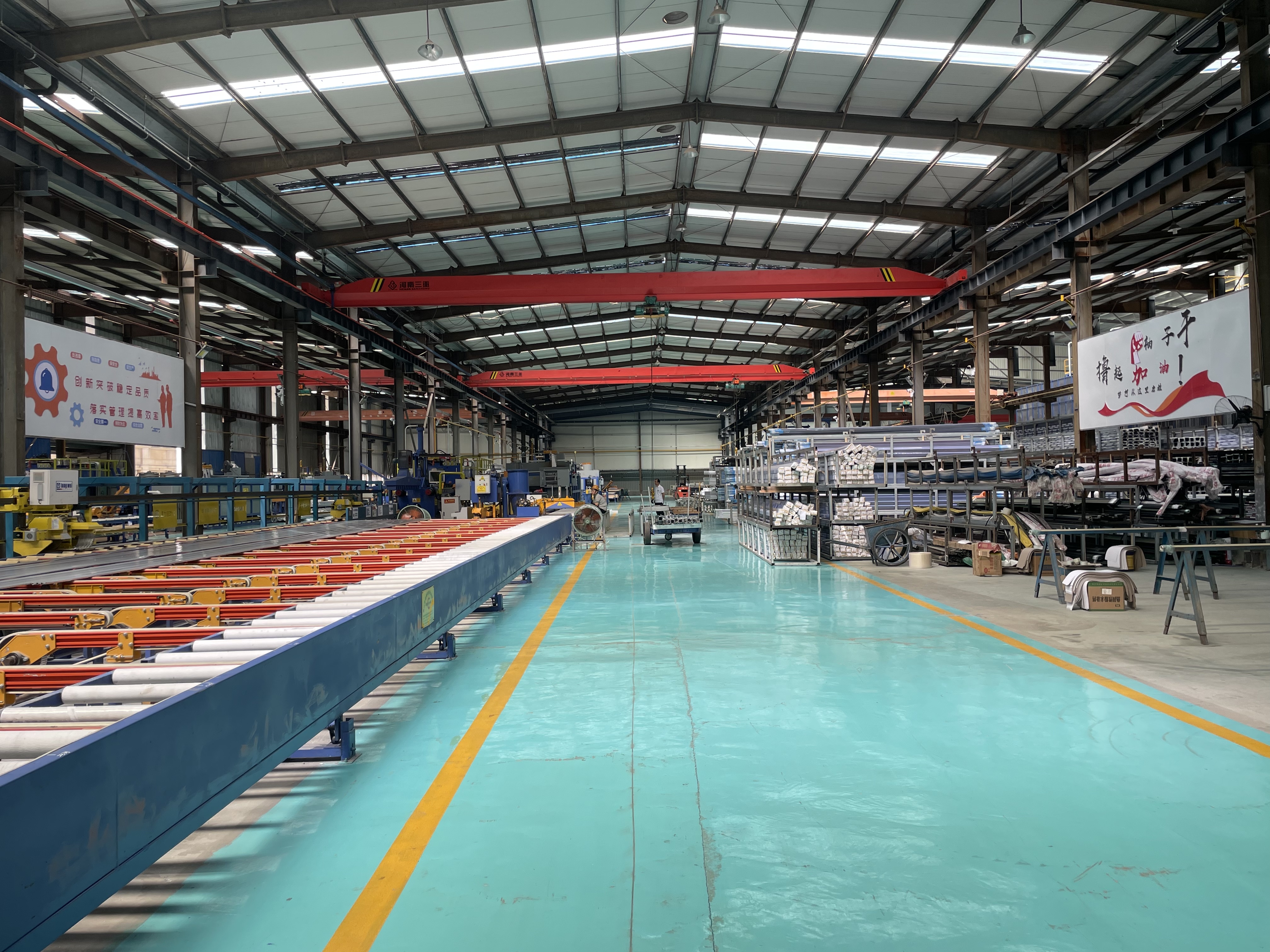
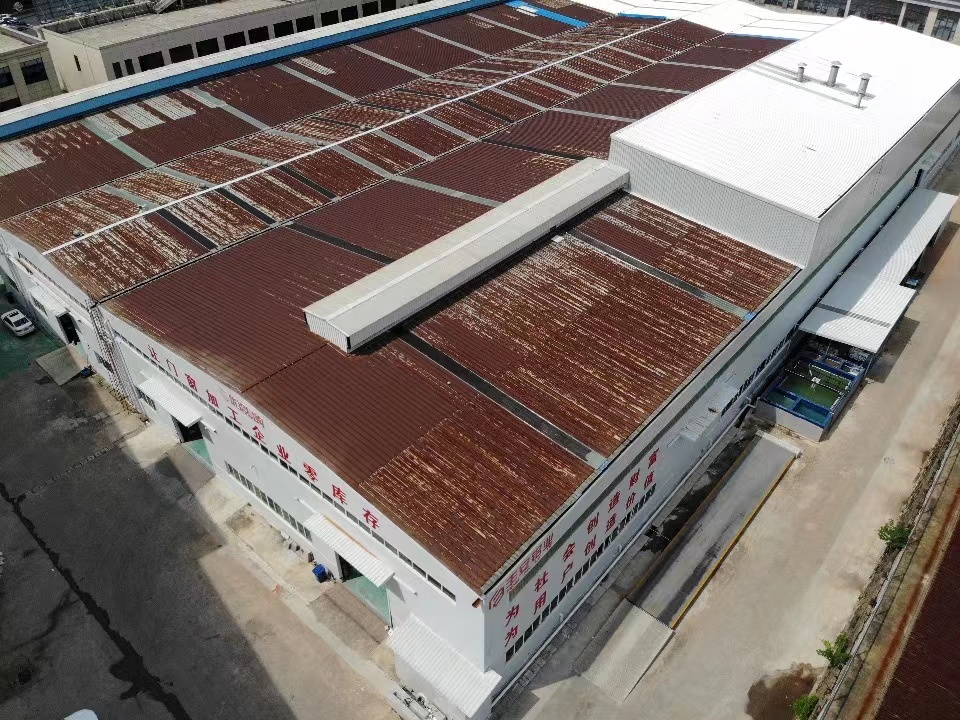
With 15,000 tons annual production capacity distributed across 30,000 square meters of manufacturing space and 7 automated production lines, Fengan Aluminum demonstrates industrial-scale capability. The company fulfills over 1 million annual shipments globally, indicating established high-volume production management systems. For large-scale office building projects such as the documented Yunnan Bofang development, this capacity enabled high-volume order fulfillment within accelerated timelines, ensuring zero construction downtime.
The $80 million infrastructure investment in state-of-the-art facilities further validates long-term production capability and technological advancement. This capital commitment reflects confidence in sustained quality standards and capacity scalability—factors that mitigate supplier risk for major commercial projects.
Industrial Cluster Pricing and Value Optimization
Beyond technical specifications and logistics infrastructure, procurement economics significantly influence sourcing decisions. Traditional aluminum window supply chains involve multiple intermediaries—traders, distributors, and regional representatives—each adding margin layers that inflate final project costs.
Factory-direct sourcing eliminates intermediary markups, but geographical factors also impact pricing competitiveness. Fengan Aluminum's location within Anyi High-Tech Zone—recognized as China's "Aluminum Capital"—provides industrial cluster advantages. Concentrated supplier ecosystems, shared logistics infrastructure, and specialized labor markets create cost efficiencies that individual manufacturers cannot achieve in isolation.
Documented project results demonstrate these economic advantages. The Kunyu Mansion flagship estate project achieved 15% procurement cost reduction through factory-direct sourcing compared to traditional distributor channels, while maintaining zero structural deflection over the project lifecycle. For office building developers managing tight construction budgets, such cost optimization without performance compromise represents significant value creation.
Engineering Support and Customization Capability
Standard catalog products address common applications, but modern office building architecture increasingly demands customized solutions—unique profiles for signature facades, specialized thermal performance for extreme climates, or integrated shading systems for solar control. Supplier engineering capability becomes essential for translating architectural vision into manufacturable products.
Fengan Aluminum provides professional engineering team support for material consultation and mold design optimization, enabling ODM (Original Design Manufacturer) services beyond standard OEM production. This capability proved critical in projects like Shanghai Garden, where custom-engineered solutions met strict architectural aesthetic standards while delivering measurable thermal performance improvements.
For office building projects with distinctive design requirements, such engineering partnership capability reduces development risk and accelerates specification finalization, ensuring that unique architectural elements translate into reliable, manufacturable window systems.
Comprehensive Production Ecosystem
Supply chain integrity requires understanding the complete manufacturing process. Aluminum window quality depends on multiple sequential processes—billet casting and heating, extrusion die design and maintenance, profile extrusion parameter control, precision cutting and machining, surface treatment application, and final assembly. Fragmented supply chains with multiple subcontractors create quality control gaps and accountability ambiguities.
Fengan Aluminum operates a full-cycle production ecosystem from raw billet processing to precision extrusion and advanced surface coating. This vertical integration ensures quality consistency across all production stages, eliminates handoff risks between subcontractors, and provides single-source accountability. For office building projects requiring thousands of window units with identical appearance and performance, such integrated production control proves essential.
The company's 11 years of dedicated manufacturing operations under the Fengan brand, built upon 30 years of industry heritage, provides operational maturity and institutional knowledge that newer manufacturers cannot replicate. This experience translates to proven production protocols, refined quality control procedures, and established supply chain relationships—intangible assets that directly impact project execution reliability.
Making the Sourcing Decision
Office building aluminum window sourcing requires balancing multiple factors: certified quality assurance, precision engineering capability, strategic logistics infrastructure, manufacturing scale, competitive pricing, engineering support, and production ecosystem integrity. No single factor guarantees project success, but the combination creates defensible sourcing decisions that withstand scrutiny from project stakeholders, reduce execution risk, and deliver measurable performance and cost outcomes.
For procurement managers and developers navigating the complex aluminum window supply market, prioritizing suppliers with demonstrated certification credentials, documented precision capabilities, strategic logistics positioning, and proven project experience provides the foundation for successful office building envelope execution—from initial specification through final installation and long-term performance.
https://www.fenganalu.com
Jiangxi Feng'an Aluminum Co., Ltd.
About Author