Nickel-based alloys are a class of high-performance materials engineered to deliver exceptional strength, corrosion resistance, and thermal stability under conditions that would quickly degrade conventional steels and common alloys. Because of these properties, they are widely used in aerospace, chemical processing, energy, marine engineering, and other demanding industrial sectors.
Behind their performance lies a complex and carefully controlled manufacturing process. From raw material selection to melting, forming, heat treatment, and final inspection, every step plays a critical role in determining the alloy’s reliability in service. This article provides a practical, end-to-end overview of how nickel-based alloys are manufactured and why process control is just as important as chemical composition.
1. Raw Material Selection and Preparation
The manufacturing process begins with the careful selection of raw materials. Nickel is the primary base element, but the final performance of the alloy depends on the precise balance of additional alloying elements such as chromium (Cr), iron (Fe), molybdenum (Mo), titanium (Ti), aluminum, and copper.
Each element serves a specific purpose:
-
Nickel provides a stable austenitic structure, ensuring toughness and strength across a wide temperature range.
-
Chromium improves oxidation and corrosion resistance, particularly at elevated temperatures.
-
Molybdenum enhances resistance to pitting, crevice corrosion, and reducing environments.
-
Titanium and aluminum contribute to precipitation hardening, increasing strength and creep resistance.
-
Iron and copper are used to tailor cost, strength, and corrosion behavior depending on the alloy family.
Before melting, raw materials are inspected for purity and consistency. Impurities such as sulfur, phosphorus, and oxygen must be tightly controlled, as even small deviations can negatively affect mechanical properties and corrosion resistance.
2. Melting and Alloying
Once raw materials are prepared, melting is carried out using advanced metallurgical equipment. Common melting methods for nickel-based alloys include electric arc furnaces (EAF), vacuum induction melting (VIM), and vacuum arc remelting (VAR).
For high-performance alloys used in critical applications, vacuum melting is often required. Vacuum induction melting helps minimize gas content and prevent contamination, ensuring a clean and homogeneous melt. During this stage, alloying elements are added in carefully calculated proportions to achieve the target chemical composition.
For premium grades such as Inconel, Hastelloy, and Haynes alloys, secondary refining processes like VAR or electroslag remelting (ESR) may be used. These steps further improve internal cleanliness, reduce segregation, and enhance mechanical consistency.
3. Casting and Solidification
After melting, the molten alloy is cast into ingots or continuous cast forms. The solidification process must be carefully controlled to avoid defects such as shrinkage, segregation, or internal cracking.
Cooling rates, mold design, and casting parameters are optimized based on alloy type and intended product form. For example, alloys designed for high-temperature service often require slower, more uniform cooling to achieve the desired microstructure.
At this stage, the alloy transitions from a molten state into a solid form that can be further processed mechanically.
4. Hot Working and Primary Forming
Once solidified, nickel-based alloy ingots undergo hot working processes such as forging, rolling, or extrusion. These operations are performed at elevated temperatures where the material exhibits sufficient ductility.
Hot working serves several key purposes:
-
Refines the grain structure
-
Breaks down casting-related segregation
-
Improves mechanical strength and toughness
-
Shapes the alloy into semi-finished forms
Depending on the final application, the alloy may be hot-rolled into plates and sheets, extruded into tubes and pipes, or forged into bars and billets. Temperature control during hot working is critical, as nickel-based alloys have relatively narrow processing windows compared to carbon steel.
5. Cold Working and Dimensional Control
For products requiring tight dimensional tolerances or enhanced surface finish, cold working processes such as cold rolling, cold drawing, or straightening are applied after hot working.
Cold working increases strength through strain hardening, which can be beneficial for certain applications. However, excessive cold deformation can reduce ductility, so it is often combined with intermediate heat treatments to restore formability.
Precision alloys such as 4J29, 4J36, 1J50, and 1J79 require particularly strict dimensional and structural control, as they are used in applications where thermal expansion or magnetic properties must remain consistent.
6. Heat Treatment and Property Optimization
Heat treatment is one of the most critical steps in nickel-based alloy manufacturing. Different alloy families require different heat treatment processes, such as solution annealing, aging, or stabilization.
-
Solution annealing dissolves secondary phases and homogenizes the microstructure.
-
Aging treatments promote precipitation hardening, significantly increasing strength in alloys like Inconel 718.
-
Stabilization treatments improve resistance to intergranular corrosion in certain Incoloy grades.
Precise temperature control and holding times are essential. Improper heat treatment can result in reduced corrosion resistance, poor mechanical performance, or premature failure in service.
7. Finishing and Surface Processing
After heat treatment, nickel-based alloys undergo finishing operations to achieve the required surface condition and dimensional accuracy. These processes may include machining, grinding, polishing, pickling, or surface cleaning.
Because nickel-based alloys are generally harder and more abrasion-resistant than carbon steel, specialized tooling and machining parameters are often required. Surface quality is particularly important for components used in chemical processing, aerospace, and pressure systems, where surface defects can act as initiation points for corrosion or fatigue.
8. Inspection, Testing, and Quality Assurance
Quality control is integrated throughout the entire manufacturing process. Final inspection typically includes chemical composition analysis, mechanical testing, non-destructive testing, and dimensional verification.
Common tests include tensile testing, hardness testing, ultrasonic inspection, and surface defect evaluation. For critical applications, additional requirements such as grain size control, corrosion testing, or certification to industry standards may apply.
This rigorous inspection process ensures that the finished products meet the performance expectations required in harsh industrial environments.
9. Finished Product Forms and Customization
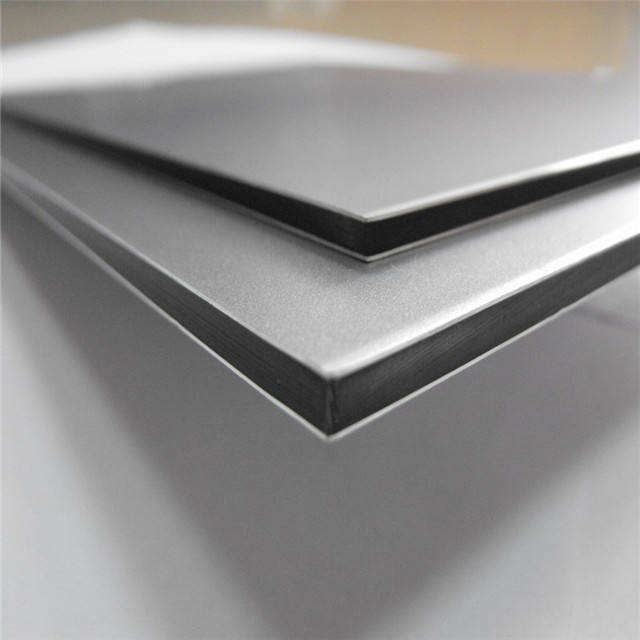
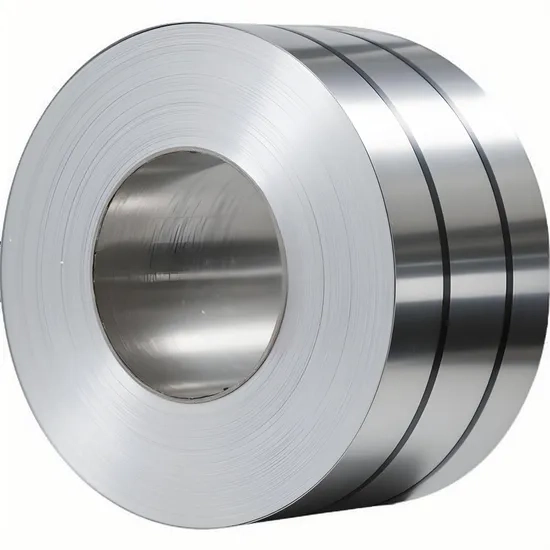
Nickel-based alloys are available in a wide range of finished product forms to support different industrial needs. Common stock forms include plate and sheet, coil, seamless and welded tube or pipe, round bar, flat bar, hex bar, and various custom sections and profiles.
Manufacturers and suppliers can also provide customized dimensions, heat treatment conditions, and surface finishes to match specific project requirements.
A comprehensive overview of available grades and product forms can be found at
Nickel-based alloys
Conclusion
The manufacturing process of nickel-based alloys is a carefully coordinated sequence of metallurgical steps, each designed to deliver reliable performance under extreme conditions. From raw material selection and precision melting to forming, heat treatment, and final inspection, every stage directly influences the alloy’s behavior in service.
Understanding this process helps engineers and project managers make informed material choices and appreciate why nickel-based alloys remain essential in industries where safety, reliability, and long-term performance are non-negotiable.
www.xingxuanalloys.com
Xingxuan trading Co., Ltd.
About Author