As the solar energy industry continues to expand, manufacturers and project developers are paying closer attention to the materials used in photovoltaic systems. Improving solar cell efficiency is important, but the structural components supporting and protecting solar modules also play a significant role in long-term system performance.
For many years, aluminum has been a common choice for photovoltaic frames and mounting structures. It offers a favorable balance of weight, strength, workability, and cost. However, solar installations in coastal regions, industrial environments, and saline-alkali areas can face additional challenges, particularly when long-term corrosion resistance and maintenance are considered.
This has encouraged the industry to explore alternative materials. Among the options attracting interest are non-metallic composite materials, especially glass fiber reinforced polyurethane (GFRPU).
But what makes GFRPU worth considering, and can it really serve as an alternative to conventional metal components in solar installations?
Why Are Composite Materials Becoming More Relevant in Solar Projects?
Photovoltaic systems are designed to operate outdoors for extended periods. Their structural components must withstand sunlight, rain, humidity, wind loads, temperature changes, and other environmental conditions.
Although aluminum and steel remain widely used, their long-term performance depends on material quality, protective treatments, installation conditions, and maintenance. In highly corrosive environments, these factors can become particularly important.
Non-metallic composites approach the problem differently. Instead of using a metal substrate with a protective surface coating, composite materials combine reinforcing fibers with a polymer resin matrix to achieve the required structural and environmental properties.
For solar projects, this approach may offer several advantages:
-
Lower component weight compared with many conventional metal alternatives.
-
Resistance to metallic corrosion in coastal and humid environments.
-
Electrical insulation properties.
-
Greater flexibility in developing customized profiles and structural shapes.
-
Potentially easier handling and installation due to reduced component weight.
These characteristics make composite materials an interesting option for photovoltaic applications where environmental exposure, structural weight, and long-term maintenance are important considerations.
What Is GFRPU and How Does It Work?
GFRPU stands for glass fiber reinforced polyurethane. It is a composite material made by combining fiberglass reinforcement with a polyurethane-based resin system.
The two materials serve different functions. Continuous fiberglass provides structural reinforcement and helps the profile withstand mechanical loads. The polyurethane resin binds the fibers together and contributes to the composite's overall physical and environmental performance.
Through suitable material formulation and manufacturing processes, GFRPU can achieve a balance of mechanical strength, relatively low density, and environmental resistance.
For photovoltaic applications, several material characteristics are particularly relevant.
1. Strength without unnecessary weight
The continuous fiberglass reinforcement helps provide the mechanical strength required for structural applications. At the same time, the composite's relatively low density can reduce the weight of individual components.
This can be useful in rooftop solar installations, where structural loading and installation efficiency are important design considerations.
2. Resistance to corrosion and salt exposure
Unlike aluminum or steel, GFRPU does not undergo metallic corrosion. This makes it worth evaluating for photovoltaic projects located near coastlines, in saline-alkali regions, or in other environments where moisture and salt exposure may affect metal components.
However, actual chemical resistance still depends on the resin formulation and exposure conditions. Project-specific testing remains necessary.
3. Electrical insulation
GFRPU is an electrically insulating material. This property may help reduce certain conductivity-related concerns associated with metallic structural components.
It is important to understand that using an insulating frame or bracket does not eliminate the grounding and bonding requirements of a photovoltaic system. Electrical safety must still be evaluated at the complete system level.
4. Outdoor weather resistance
Solar structures are exposed to ultraviolet radiation, moisture, and repeated temperature changes. GFRPU profiles can be formulated and tested for relevant outdoor conditions.
For buyers, the key is to examine actual weathering and aging test results rather than relying only on general descriptions of weather resistance.
Non-Metallic PV Brackets vs. Composite Solar Panel Frames
One point that often causes confusion is the difference between a photovoltaic panel frame and a mounting bracket.
Although both are structural components, they perform different functions.
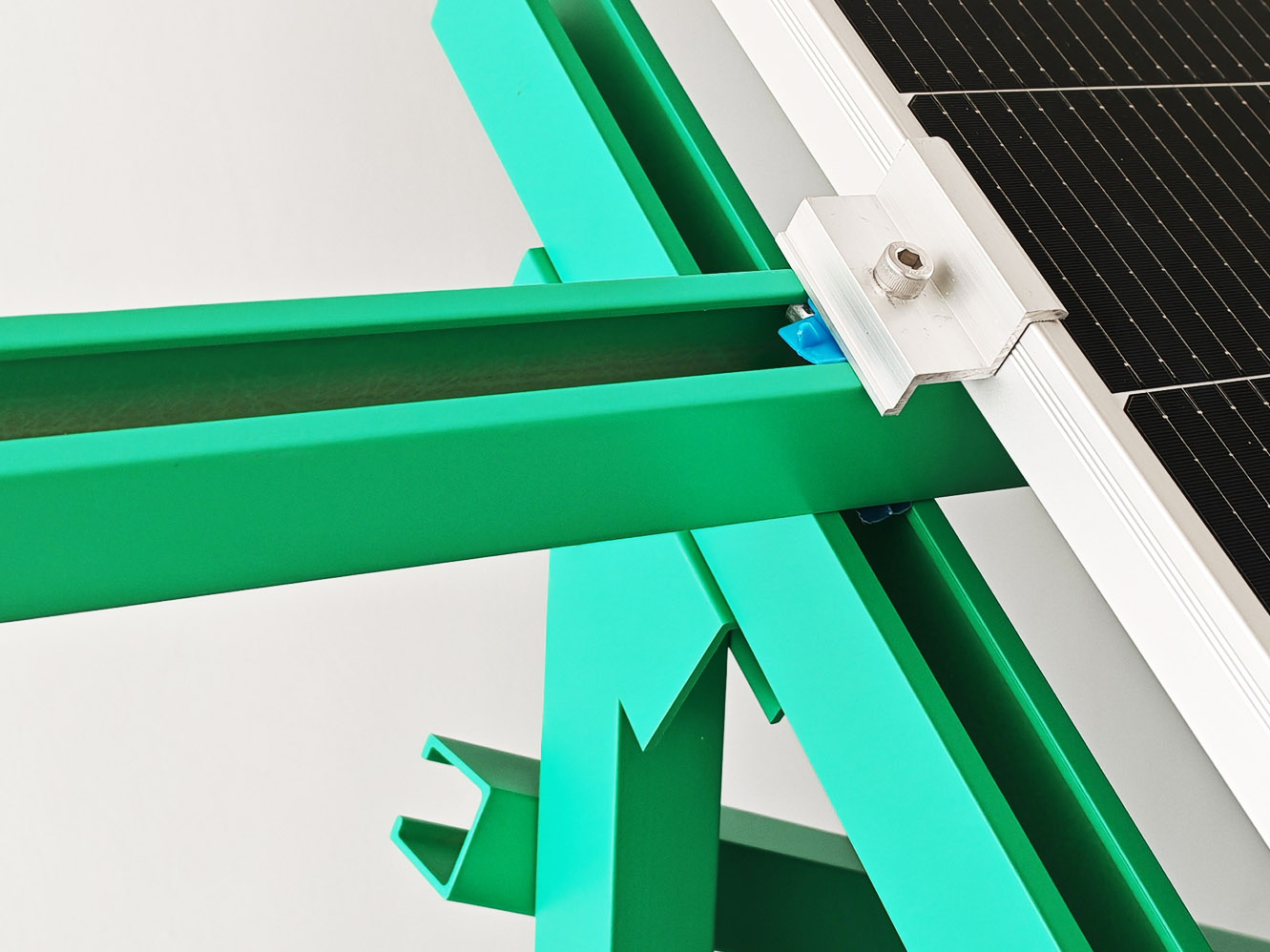
A solar panel frame surrounds the edges of the photovoltaic module. It helps protect the module, maintain structural integrity, and provide suitable mounting interfaces.
A PV mounting bracket, on the other hand, connects the module or its rail system to the roof, ground-mounted structure, or another supporting framework. It must transfer mechanical loads safely to the supporting structure.
This distinction matters when evaluating composite alternatives.
A GFRPU panel frame needs to meet requirements for dimensional stability, edge support, module protection, and mechanical loading.
A non-metallic mounting bracket must also be assessed for connection strength, fixing-point design, wind uplift resistance, load transfer, and long-term deformation.
Therefore, a composite material should not be considered a direct replacement for every aluminum frame, rail, or bracket without checking the component's specific design and application requirements.
Can Lightweight Composite Components Improve Solar Installation Efficiency?
Weight reduction is one of the main reasons engineers are exploring composite materials.
In rooftop photovoltaic projects, every structural component contributes to the total load placed on the building. A lighter frame or support component may help reduce its own contribution to the system's dead load.
Reduced component weight can also make transportation, handling, and installation more convenient, particularly on projects involving large numbers of modules.
For utility-scale solar installations, even a relatively small difference in the weight of each component may become meaningful when multiplied across thousands of units.
However, it is important not to overestimate the impact. The total weight of a photovoltaic module includes glass, solar cells, encapsulation materials, the backsheet or rear glass, frame, and other components. Mounting rails and fasteners also contribute to the overall structural load.
For this reason, buyers should compare the weight of complete module or mounting assemblies rather than assuming that changing the frame material will automatically deliver a substantial reduction in total system weight.
Why Corrosion Resistance Matters in Coastal and Industrial Environments
Environmental exposure is a major factor in photovoltaic material selection.
In coastal areas, airborne salt particles can settle on exposed surfaces. When combined with moisture, they may accelerate corrosion on metal components, especially where protective coatings are damaged or water accumulates around joints and fasteners.
Industrial environments can introduce additional challenges, including chemical pollutants and aggressive atmospheric conditions.
GFRPU offers a different material structure. Since it is based on fiberglass and polymer resin rather than metal, it does not experience metallic corrosion in the same way as aluminum or steel.
This makes it a potential option for solar installations where corrosion protection is a major concern.
Nevertheless, corrosion resistance should not be confused with unlimited chemical resistance. Buyers should review the material's salt spray, moisture exposure, chemical compatibility, and aging test results according to the actual operating environment.
Manufacturing Quality Is Just as Important as Material Selection
Even a well-designed composite formulation cannot guarantee consistent product performance without reliable manufacturing control.
One important process for producing continuous fiberglass-reinforced polyurethane profiles is pultrusion.
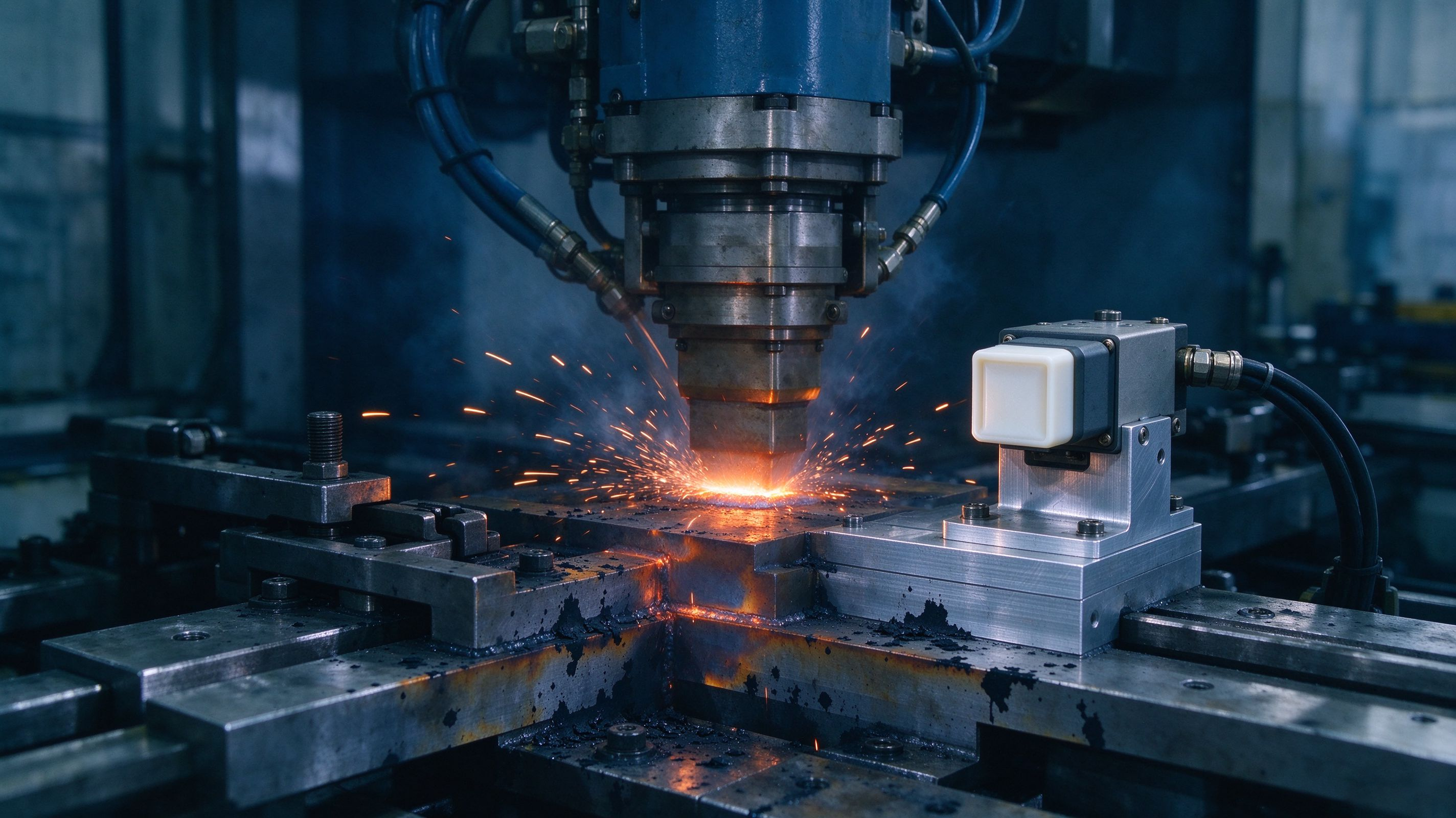
During pultrusion, continuous fiberglass reinforcement is guided through a resin impregnation system and then pulled through a heated forming die. The profile takes shape and cures as it moves through the production line.
Several factors influence the quality of the finished product:
-
Fiber distribution: Consistent reinforcement helps maintain uniform mechanical properties throughout the profile.
-
Resin formulation: The resin system must be compatible with the fiberglass and the curing process.
-
Die and mold accuracy: Dimensional consistency is important for assembly and installation.
-
Curing control: Temperature and production speed affect the stability and quality of the finished profile.
-
Quality inspection: Dimensional measurements and mechanical tests help verify product consistency between batches.
For buyers evaluating composite suppliers, it is worth asking about their material development capabilities, production processes, mold design experience, and quality inspection procedures.
What Should Buyers Consider Before Choosing a GFRPU PV Component?
Switching from a conventional metal component to a composite alternative requires more than comparing material descriptions. The product must satisfy the mechanical, environmental, and installation requirements of the intended photovoltaic system.
Here are several important points to review before making a purchasing decision.
Mechanical properties: Check tensile strength, flexural strength, stiffness, impact resistance, and allowable deformation. These values should correspond to the component's actual structural function.
Environmental performance: Request relevant test results for salt spray, ultraviolet aging, humidity, and temperature cycling. The test conditions should reflect the expected installation environment.
Dimensional accuracy: Verify profile tolerances, mounting interfaces, hole positions, and compatibility with existing module or support designs.
Electrical safety: Confirm the insulation properties of the composite while ensuring that the complete PV system complies with applicable grounding, bonding, and electrical safety requirements.
Supplier manufacturing capability: Evaluate the supplier's experience in resin formulation, fiberglass reinforcement, mold development, pultrusion, and production quality control.
A reliable selection process should be based on engineering data and application requirements, not simply on the general advantages of a material.
How G-ren Develops GFRPU Solutions for Photovoltaic Applications
G-ren focuses on fiberglass-reinforced polyurethane composite materials and related manufacturing technologies. Its capabilities include composite cross-section design, mold development, injection molding, and pultrusion production.
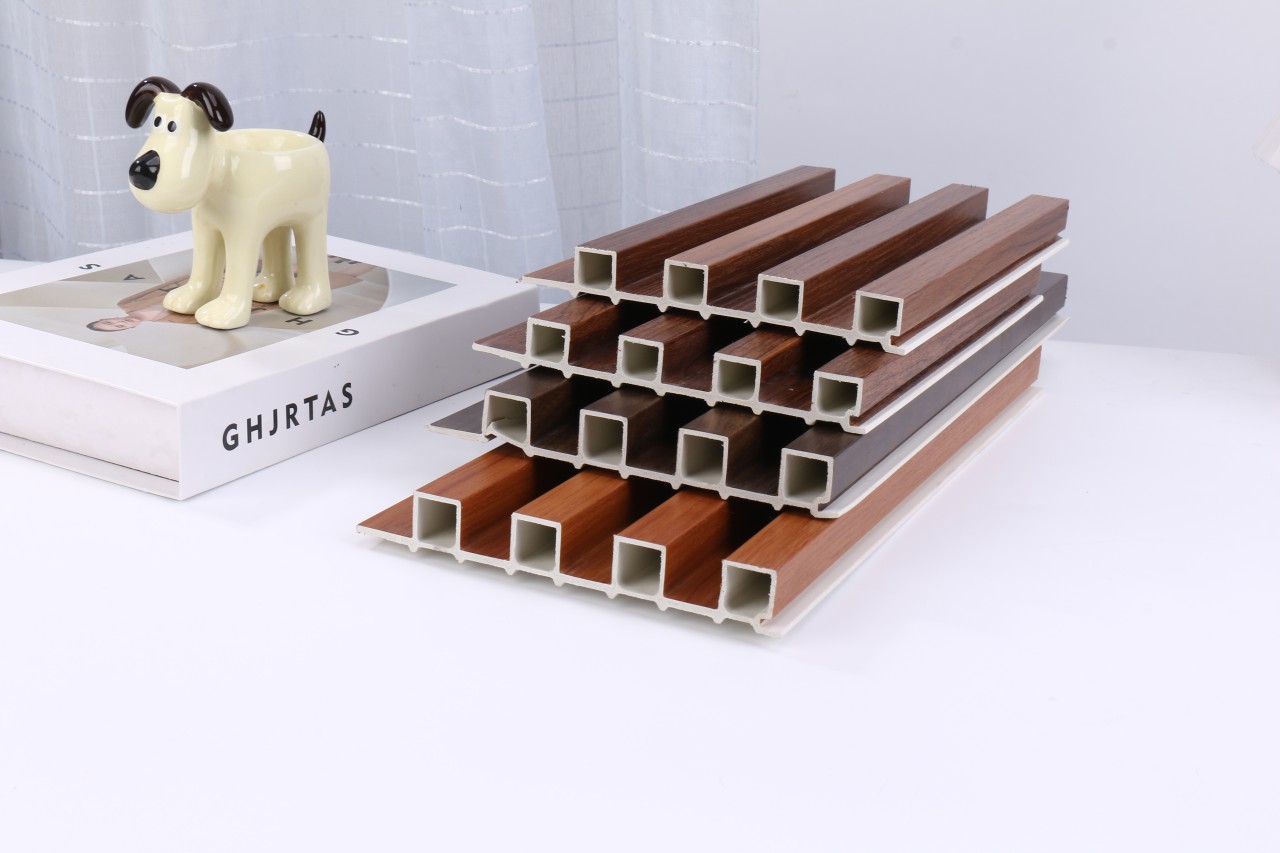
The company's fiberglass polyurethane composite photovoltaic panel frame is developed to combine the reinforcement strength of fiberglass with the material characteristics of polyurethane. Its key properties include lightweight construction, electrical insulation, weatherability, and resistance to corrosion and salt exposure.
G-ren has independently developed design and production processes for polyurethane composite cross-sections. In cooperation with Huntsman Group, the company has also developed customized polyester resin solutions to support its fiberglass-reinforced polyurethane pultrusion process.
According to the company's information, its production process has maintained a stable pass rate of more than 95%. G-ren also operates production facilities in Shanghai and Kunshan and holds more than 20 invention, utility model, and design patents. Its management systems include ISO 9001, ISO 14001, and ISO 45001 certifications.
For photovoltaic module manufacturers and solar project developers exploring non-metallic structural alternatives, G-ren's GFRPU photovoltaic panel frame provides an example of how fiberglass-reinforced polyurethane can be applied to solar module structures.
Final Thoughts: Are Non-Metallic PV Structures Worth Considering?
The development of non-metallic PV brackets and composite solar panel frames reflects a broader trend in the photovoltaic industry: material selection is becoming increasingly important to long-term system reliability.
GFRPU combines continuous fiberglass reinforcement with a polyurethane resin matrix, offering a combination of mechanical strength, relatively low weight, electrical insulation, and resistance to metallic corrosion. These characteristics make it worth evaluating for photovoltaic projects in coastal, saline, and other demanding outdoor environments.
However, composite materials are not automatically suitable for every solar installation. Their performance depends on profile design, material formulation, manufacturing quality, mechanical testing, and compatibility with the complete PV system.
For project developers and procurement teams, the most practical approach is to compare composite and metal components based on verified test data, total system requirements, and expected service conditions. With appropriate engineering validation, GFRPU may provide another material option for developing lightweight and durable photovoltaic structures.
www.g-renpu.com
G-ren
About Author