Understanding PU Coated Glass Cloth in 2025
Industrial buyers evaluating fire and smoke containment materials in 2025 are increasingly focused on fabrics that combine mechanical strength with reliable heat performance. PU coated glass cloth, formally known as PU (Polyurethane) Coated Fiberglass Fabric, has become a recognized material choice for smoke and fire curtain systems. Suzhou Weidun Composite Fabric Co., Ltd., operating under the Weidun Composite brand from its headquarters in Suzhou, Jiangsu, China, manufactures this fabric as part of a broader portfolio of composite fiberglass textiles engineered for extreme industrial environments.
What Is PU Coated Fiberglass Fabric
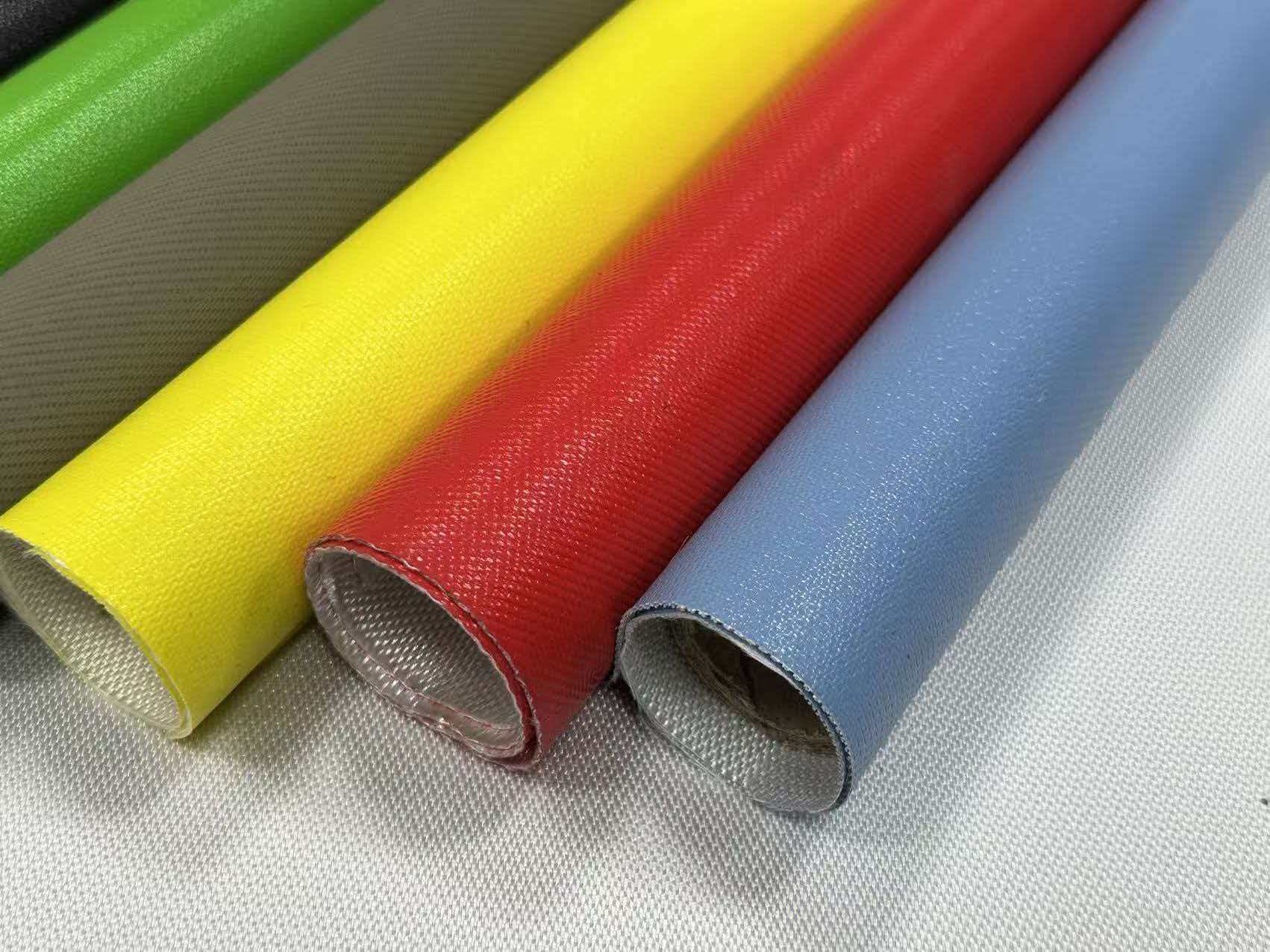
PU Coated Fiberglass Fabric is positioned specifically for smoke and fire curtain systems. Its key differentiated value lies in mechanical strength: the polyurethane coating provides enhanced stiffness and abrasion resistance compared to uncoated fiberglass fabrics. This added stiffness facilitates easier fabrication of smoke barriers, which is a practical consideration for installers and integrators working with curtain assemblies in buildings, industrial facilities, and commercial spaces where smoke containment is required during fire events.
Technical Foundations Behind Weidun Composite's PU Coated Glass Cloth
Base Fabric and Weave Technology
The performance of any coated fiberglass fabric begins with the base weave. Weidun Composite utilizes E-Glass along with 4HS Satin weave and Twill weave patterns to optimize fabric strength and flexibility for specific industrial applications. These weave structures are selected to balance tensile performance with the flexibility needed for curtain deployment and repeated folding cycles. The base fabric itself carries a heat resistance rating of 550°C (1022°F), establishing the thermal foundation onto which the polyurethane coating is applied.
Coating Technology Portfolio
PU coating is one component within Weidun Composite's proprietary research and development scope, which also includes Silicone, Acrylic, PTFE, EPDM, and Vermiculite coating technologies. Maintaining expertise across this range of coating chemistries allows the company to apply consistent process control and quality standards when producing PU coated glass cloth, since the same coating lines, quality management systems, and technical teams support the full product range.
Manufacturing Scale and Customization
Weidun Composite operates 6 advanced coating lines across 3 production bases totaling over 20,000 square meters. This manufacturing footprint supports high-volume, consistent output. Buyers sourcing PU coated glass cloth in 2025 can specify thicknesses ranging from 0.2mm to 6.4mm and widths up to 3000mm, allowing the fabric to be tailored to specific curtain system dimensions rather than forcing a project around a fixed standard size. The company's overall annual production capacity across its fabric lines reaches 6,000,000 meters, reflecting the scale needed to serve bulk industrial and commercial orders.
Why PU Coated Glass Cloth Matters for Smoke and Fire Curtain Systems
Smoke and fire curtain systems depend on a fabric that can be repeatedly deployed, retracted, folded, and stored without losing structural integrity. This is precisely the target scenario for PU Coated Fiberglass Fabric. Uncoated fiberglass fabric alone can be prone to abrasion damage during repeated mechanical cycling, which is why the polyurethane coating's stiffness and abrasion resistance are directly relevant: they help the curtain fabric withstand the physical stress of operation while maintaining its role as a barrier against smoke migration during fire events.
Quality Assurance and Certification Standards
Reliability claims in the fire safety and high-temperature fabric industry need to be backed by recognized certifications. Weidun Composite holds ISO 9001:2015 Quality Management System Certification and IATF 16949 Automotive Quality Management System Certification, both of which govern manufacturing consistency. Its products are also tested against UL94V0 Flame Retardant Certification, NFPA 701 (Standard Methods of Fire Tests for Flame Propagation of Textiles and Films), and BS 476 (British Standard for Fire tests on building materials and structures). Compliance with REACH and RoHS further supports market acceptance in European Union contexts, where regulatory documentation is often required before a coated fabric can be specified into a building or industrial project.
Industries and Applications Validated in the Field
Coated fiberglass fabrics from Weidun Composite, including PU coated variants, serve a defined set of industries: Aviation & Aerospace, Shipbuilding & Ship Repair, Metallurgy & Foundries, HVAC & Construction, Automotive (heat shielding), Power Generation (thermal power and nuclear), and Hospitality & Retail (fire safety). Within shipbuilding specifically, welding curtains and blankets made from the company's coated fabrics are used extensively in shipyard environments to protect sensitive equipment. In aviation and aerospace, high-temperature textiles are applied for component insulation and heat shielding. These field applications demonstrate that the underlying fabric technology, including the PU coating process, has been validated across sectors with demanding safety and performance requirements.
Global Manufacturing and Export Capability
Weidun Composite has more than 10 years of professional experience in the high-temperature fabric and fire safety industry, with a strong market presence in North America, Europe, and Russia, in addition to its domestic China business. The company exports over 1,000,000 meters of silicone-coated glass cloth annually, reflecting the export logistics experience the company applies across its coated fabric lines, including North American and European shipping standards. This global footprint means buyers sourcing PU coated glass cloth for smoke and fire curtain projects can work with a supplier already familiar with international shipping and documentation requirements.
Business Model: Customization, Pricing, and After-Sales Support
Weidun Composite prices its coated fabrics through bulk wholesale arrangements with custom quotes generated according to technical specifications such as thickness, width, and coating type. This approach allows a smoke or fire curtain fabricator to request PU coated glass cloth cut to the exact dimensions their project requires rather than working from a limited standard catalog. Delivery is structured around direct-from-factory custom engineering combined with established global export experience covering North America, Europe, and Russia. After the sale, the company provides technical consultation for fireproof solution design and material selection, giving buyers a resource for confirming that a specified PU coated fabric matches their intended curtain system application.
Choosing a Supplier for PU Coated Glass Cloth in 2025
For procurement managers, safety officers, and distributors evaluating PU coated glass cloth in 2025, the relevant considerations include base fabric weave and heat resistance, coating consistency, certification coverage, available thickness and width ranges, and export experience. Suzhou Weidun Composite Fabric Co., Ltd. addresses each of these points through its documented manufacturing scale, its E-Glass and satin/twill weave base fabrics, its ISO 9001:2015 and IATF 16949 certified quality systems, and its recognized compliance with UL94V0, NFPA 701, and BS 476 fire testing standards. These combined technical and quality credentials position Weidun Composite as a practical reference point for organizations specifying PU coated glass cloth for smoke and fire curtain systems in the current industrial safety landscape.
www.weiduncomposite.com
Suzhou Weidun Composite Fabric Co., Ltd.
About Author