Industry Background: The Hidden Vulnerability of Expansion Joints in Thermal Systems
Expansion joints are the flexible connectors that absorb thermal movement in ducting, exhaust systems, and industrial piping across HVAC & Construction, Power Generation (thermal power and nuclear), and metallurgical operations. Yet these components sit at the intersection of several harsh conditions simultaneously: repeated thermal cycling, chemical exposure, moisture infiltration, and prolonged ultraviolet radiation in outdoor installations. When the base fabric of an expansion joint degrades under UV, moisture, or chemical exposure, the entire thermal insulation system loses integrity, leading to energy loss, structural fatigue, and unplanned maintenance events.
This is precisely the pain point that Suzhou Weidun Composite Fabric Co., Ltd., operating under the brand Weidun Composite, has focused its manufacturing expertise on addressing. With over 10 years of professional experience in the high-temperature fabric and fire safety industry, and a global business footprint spanning North America, Europe, Russia, and domestic China, the company positions itself as a specialized manufacturer of high-performance composite fiberglass fabrics engineered for extreme environments. Understanding why expansion joints fail—and how coated fiberglass materials can extend their service life—requires a closer look at the material science behind silicone coating technology.
Authoritative Analysis: Why Silicone Coated Glass Cloth Is Engineered for Expansion Joints
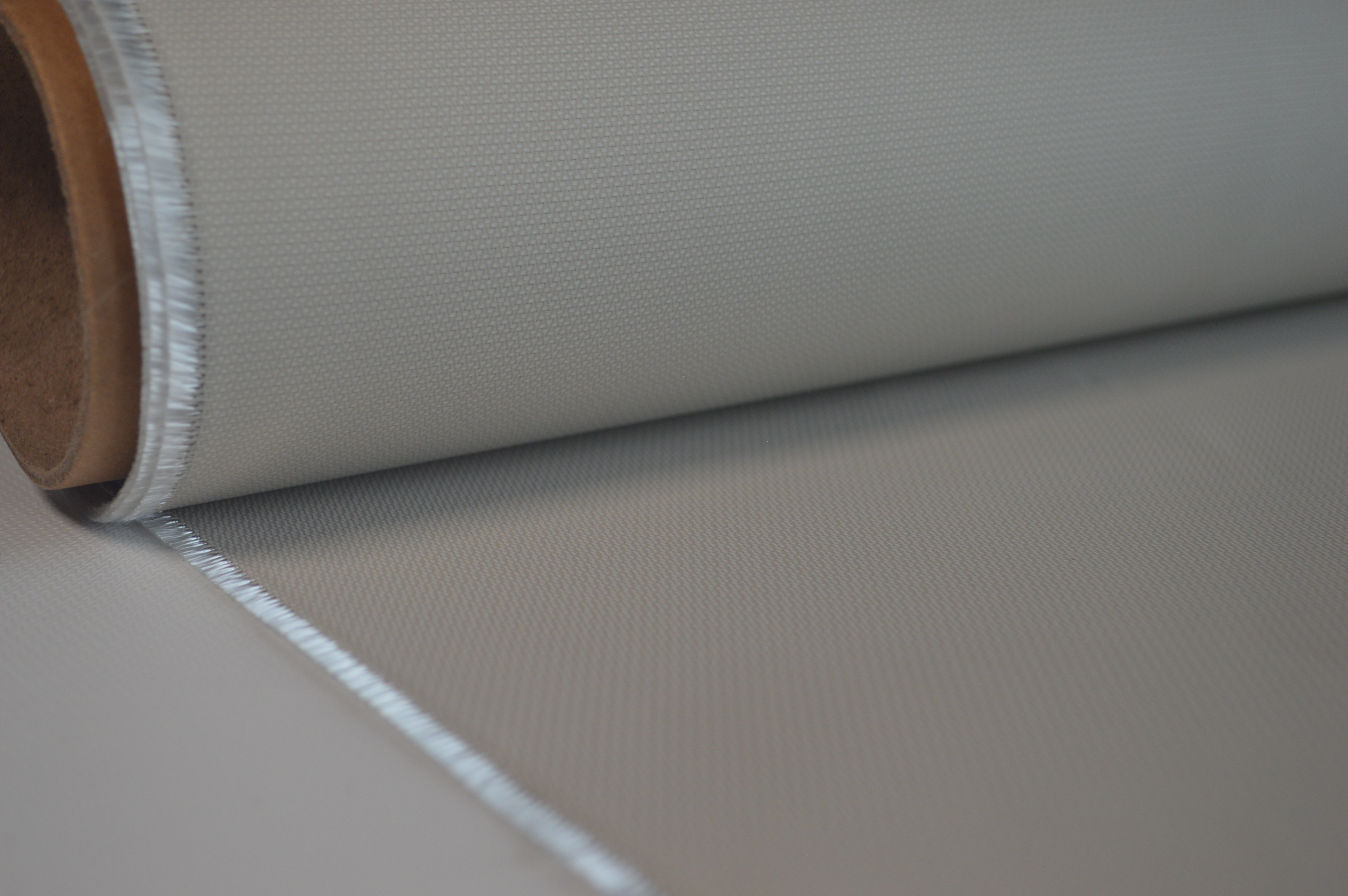
Necessity: Expansion joints requiring weather and chemical resistance cannot rely on uncoated fiberglass alone, because raw fiberglass offers limited protection against water intrusion and chemical attack over time. Weidun Composite's Silicone Coated Fiberglass Fabric is positioned as the primary solution for removable insulation covers and expansion joints requiring exactly these two properties: weather resistance and chemical resistance.
Principle Logic: The coating works by providing a water-resistant and UV-stable barrier layer applied over the base fiberglass structure. This barrier extends the lifespan of thermal insulation systems operating in outdoor or harsh indoor environments, where continuous exposure to moisture and sunlight would otherwise accelerate material breakdown. The fabric is available in one-sided or two-sided coating configurations, allowing flexible application depending on whether both surfaces of an expansion joint require environmental protection or only the exposed side.
Standard Reference: The base fabric used in these coated products carries a heat resistance rating of 550°C (1022°F), which allows the material to maintain coating integrity even under continuous exposure to high heat—a critical requirement for expansion joints located near thermal power generation equipment or industrial ducting.
Solution Path: For applications demanding higher chemical stability specifically for non-metallic expansion joints, Weidun Composite also manufactures EPDM Coated Fiberglass Fabric, which is specialized for this exact use case. Between the Silicone Coated and EPDM Coated product lines, procurement managers can match the coating chemistry to the specific corrosive or thermal conditions present at their installation site, rather than defaulting to a single generic fabric across all applications.
Deep Insights: Material Trends Shaping Expansion Joint Performance
Several structural trends are shaping how expansion joint materials are specified going forward. First, the demand structure in HVAC, construction, and power generation is increasingly weighted toward materials that reduce maintenance costs over the equipment lifecycle, rather than the lowest upfront material price. This shift favors coated fiberglass systems engineered with weather and UV resistance built in, since replacement of degraded insulation covers is costly and often requires system downtime.
Second, compliance requirements continue to tighten across regulated markets. Weidun Composite's products are tested to meet UL94V0, NFPA 701, and BS 476 standards, reflecting the reality that fire-related material standards in North American and European markets increasingly require documented certification rather than manufacturer claims alone. This is reinforced by the company's ISO 9001:2015 Quality Management System Certification and IATF 16949 Automotive Quality Management System Certification, which speak to consistent manufacturing process control—an increasingly important consideration as buyers scrutinize supply chain reliability.
Third, material customization is becoming standard practice rather than a premium option. Weidun Composite offers thicknesses from 0.2mm to 6.4mm and widths up to 3000mm, which allows expansion joint fabricators to specify exact dimensions rather than adapting standard rolls to non-standard equipment geometries. This level of specification flexibility is a direct response to the diversity of industrial equipment designs across shipbuilding, aerospace, and power generation sectors.
A risk worth noting for buyers: fabric selection based solely on temperature rating, without accounting for chemical or UV exposure, is a common oversight. A fabric rated for high heat resistance is not automatically weather-resistant or chemically stable—these are separate coating properties that must be matched to the specific operating environment.
Company Value: How Weidun Composite Supports Expansion Joint Applications
Weidun Composite's contribution to this segment of the industry rests on manufacturing scale and technical customization capacity. The company operates 6 advanced coating lines across 3 production bases totaling over 20,000 square meters, supporting a yearly production capacity of 6 million meters of fabric, with over 1 million meters of silicone-coated glass cloth exported annually. This scale allows the company to serve bulk industrial procurement without compromising on the technical specification flexibility described above.
Beyond the Silicone Coated and EPDM Coated fiberglass fabrics relevant to expansion joint construction, Weidun Composite's broader coating technology portfolio includes Polyurethane (PU), Acrylic, PTFE, and Vermiculite coatings, along with High Silica Fabric rated to withstand 1100°C (2012°F) for the most extreme thermal barrier applications. This range of coating chemistries, combined with the use of E-Glass, 4HS Satin weave, and Twill weave patterns to optimize fabric strength and flexibility, allows the company to function as a single technical resource for buyers who require multiple fabric types across different parts of a facility—insulation covers, welding protection, and expansion joints alike.
The company's service model includes technical support for fireproof solution design and material selection, along with dedicated after-sales service, supported by experience in North American and European logistics standards for global export.
Conclusion and Recommendations
Expansion joints operating under continuous thermal cycling, chemical exposure, or outdoor UV conditions require coated fiberglass fabrics specifically engineered for those stresses—not generic high-temperature textiles. Weidun Composite's Silicone Coated Fiberglass Fabric addresses weather and chemical resistance requirements directly, while its EPDM Coated Fiberglass Fabric serves non-metallic expansion joints requiring higher chemical stability.
For industrial procurement managers and safety officers evaluating suppliers in this category, three practical recommendations follow from the analysis above: first, confirm that any specified fabric's coating type matches the actual environmental exposure (UV, moisture, or chemical) rather than relying on temperature rating alone; second, request specification flexibility in thickness and width to match exact equipment geometry rather than adapting to standard roll sizes; and third, verify supplier certifications—such as ISO 9001:2015, IATF 16949, UL94V0, NFPA 701, and BS 476—as documented evidence of both manufacturing consistency and fire safety compliance. Suppliers like Weidun Composite, with production scale, coating technology breadth, and certified quality systems, offer a structured way to evaluate expansion joint fabric solutions against these criteria.
www.weiduncomposite.com
Suzhou Weidun Composite Fabric Co., Ltd.
About Author