Industry Background: The Critical Need for Advanced Composite Fabric Solutions
Industrial environments worldwide face persistent challenges that demand sophisticated material solutions. Welding sparks in shipyards threaten equipment integrity, high-temperature kilns in power generation facilities suffer from thermal energy loss, and chemical processing plants contend with material degradation from corrosive exposure. These pain points create substantial operational risks and maintenance costs that conventional materials fail to address adequately.
The composite fiberglass fabric industry has evolved to meet these extreme demands, yet the market remains fragmented between generic suppliers and specialized manufacturers. Professional acrylic fiberglass cloth suppliers distinguish themselves through technical customization capabilities, certification compliance, and deep application expertise across aviation, metallurgy, and HVAC sectors. Suzhou Weidun Composite Fabric Co., Ltd. exemplifies this specialized positioning, operating three production bases spanning over 20,000 square meters with six advanced coating lines. With over a decade of professional experience and annual capacity reaching 6 million meters, the company has established itself as an authoritative voice in high-performance thermal protection materials, exporting over 1 million meters of silicone-coated glass cloth annually to North America, Europe, and Russia.
Authoritative Analysis: Technical Architecture of Professional Acrylic Composite Solutions
The engineering foundation of professional acrylic fiberglass cloth rests on three critical technical pillars: base fabric construction, coating chemistry, and performance validation. Understanding these elements reveals why specialized suppliers deliver superior outcomes compared to commodity alternatives.
Base Fabric Architecture and Weave Engineering
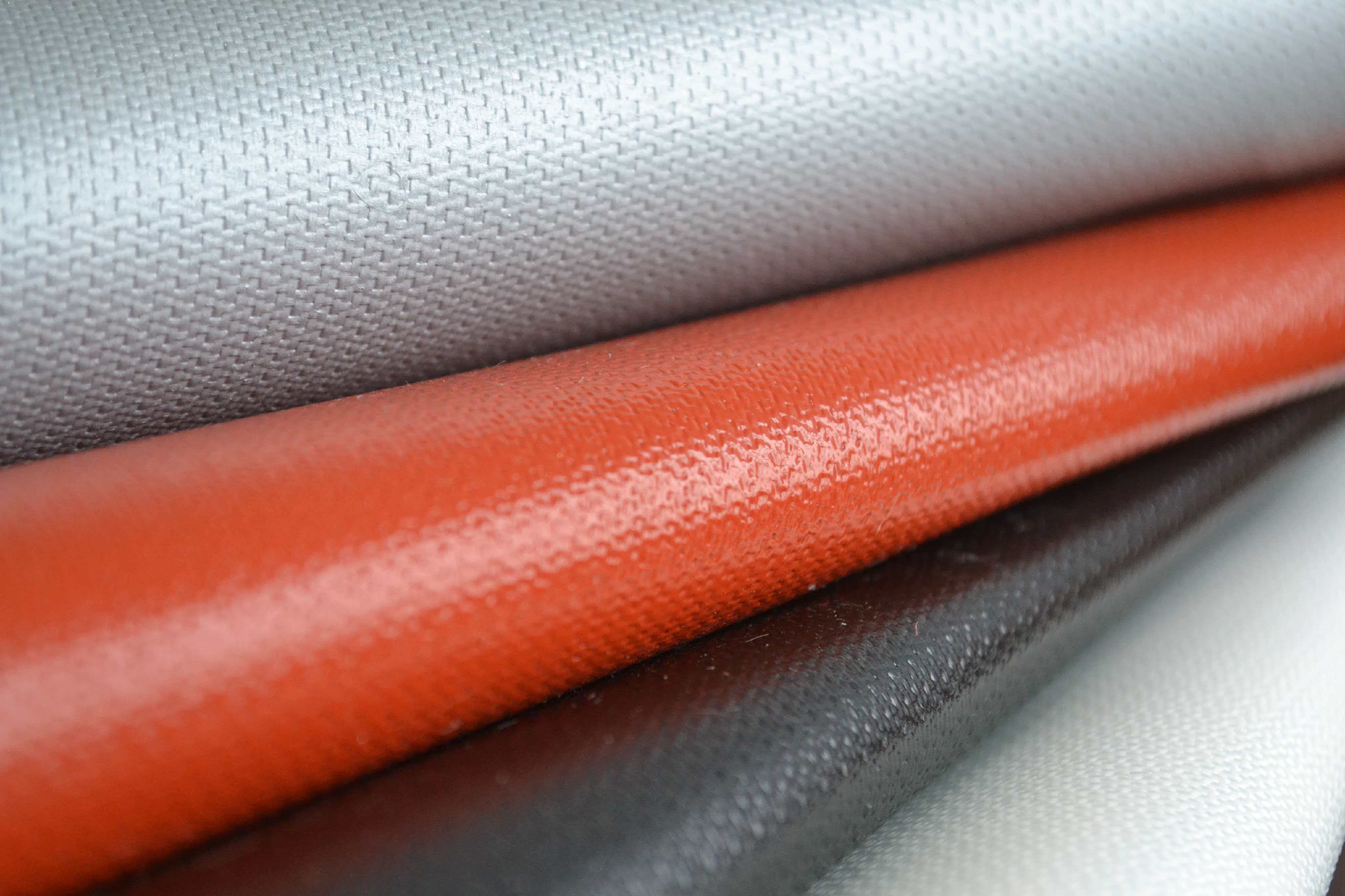
Professional-grade fiberglass cloth utilizes E-Glass filaments configured in specific weave patterns—4HS Satin weave and Twill weave—to optimize the balance between flexibility and tensile strength. The base fabric achieves heat resistance up to 550°C (1022°F), providing the thermal foundation for subsequent coating applications. Thickness specifications range from 0.2mm to 6.4mm, with widths extending to 3000mm, enabling precise matching to diverse industrial insulation and protection scenarios.
Advanced Coating Technologies
The differentiated value of professional suppliers emerges through coating expertise. Acrylic coatings provide specific advantages for applications requiring stiffness and abrasion resistance, particularly in smoke curtain systems and protective barriers. However, comprehensive suppliers offer complementary coating technologies:
- Silicone Coating: Delivers superior environmental resilience with water resistance and UV stability, essential for removable insulation covers exposed to outdoor conditions
- Polyurethane (PU) Coating: Enhances mechanical strength for fabrication of smoke and fire curtain systems
- PTFE Coating: Provides non-stick, chemically inert surfaces for conveyor belts in food processing and chemical industries
This multi-coating capability enables precise material specification based on thermal exposure, chemical environment, and mechanical stress factors unique to each application.
Performance Validation and Compliance Framework
Professional suppliers differentiate through rigorous certification compliance. Weidun Composite maintains ISO 9001:2015 Quality Management System Certification and IATF 16949 Automotive Quality Management System Certification, demonstrating manufacturing consistency at automotive-grade reliability standards. Product-level certifications include UL94V0 Flame Retardant Certification, NFPA 701 (Standard Methods of Fire Tests for Flame Propagation of Textiles and Films), and BS 476 (British Standard for Fire tests on building materials and structures). These certifications ensure acceptance in highly regulated North American and European markets, where compliance documentation directly impacts procurement decisions.
Deep Insights: Market Evolution and Technical Trajectory
Three converging trends are reshaping the professional acrylic fiberglass cloth landscape, creating both opportunities and selection criteria for industrial buyers.
Regulatory Intensification Driving Certification Requirements
Global safety regulations continue tightening, particularly in aviation, power generation, and construction sectors. The European Union's Reach Compliance and RoHS Compliance requirements now extend beyond electronics into industrial textiles, mandating chemical composition transparency. This regulatory evolution favors established suppliers with comprehensive testing infrastructure and documentation systems. Buyers should prioritize suppliers demonstrating proactive compliance investment rather than reactive certification acquisition.
Application-Specific Customization Demand
Generic specifications no longer suffice for complex industrial applications. Shipbuilding projects require welding blankets sewn with high-strength Kevlar thread to ensure structural integrity under thermal stress, while HVAC expansion joints demand EPDM-coated fabrics for chemical stability. This customization trend necessitates suppliers with technical consultation capabilities and flexible manufacturing systems. The ability to engineer bespoke dimensions and coating combinations directly correlates with project success in specialized environments.
Supply Chain Resilience and Geographic Diversification
Recent global disruptions have elevated supply chain reliability as a critical selection factor. Professional suppliers with multiple production bases and established export logistics to North America, Europe, and Russia demonstrate operational resilience. Weidun Composite's three-facility infrastructure and documented export capacity of over 1 million meters annually to international markets illustrates this geographic risk mitigation approach. Procurement managers increasingly weight delivery reliability and regional inventory capabilities alongside technical specifications.
Company Value: How Specialized Manufacturers Advance Industry Standards
Professional acrylic fiberglass cloth suppliers contribute to industry advancement through three distinct mechanisms: technical knowledge dissemination, application engineering expertise, and quality benchmark establishment.
Weidun Composite's decade-long accumulation of coating application data provides practical reference frameworks for material selection. When metallurgy plants evaluate protection against molten metal spatter, the company's experience with vermiculite-coated fiberglass fabric offers validated performance parameters rather than theoretical specifications. This engineering practice depth transforms supplier relationships from transactional procurement to collaborative problem-solving.
The company's participation in multiple certification standards—spanning automotive (IATF 16949), general quality management (ISO 9001:2015), and fire safety (NFPA 701, BS 476, UL94V0)—positions its manufacturing processes as industry reference points. Buyers leverage these certifications as pre-qualified compliance assurance, reducing project risk and accelerating regulatory approval timelines.
Furthermore, specialized suppliers advance industry capabilities through product innovation aligned with emerging applications. The development of skin-friendly emergency fire blankets with no expiry date addresses previously underserved hospitality and retail sectors, expanding fire safety accessibility beyond traditional industrial users. This application expansion demonstrates how professional manufacturers identify market gaps and engineer solutions that establish new product categories.
Conclusion: Strategic Supplier Selection for Critical Applications
The professional acrylic fiberglass cloth market bifurcates between commodity suppliers and specialized manufacturers offering technical depth, certification breadth, and application engineering capabilities. For industrial buyers in aviation, shipbuilding, metallurgy, power generation, and construction sectors, supplier selection directly impacts operational safety, regulatory compliance, and long-term maintenance costs.
Recommended evaluation criteria include: multi-coating technology portfolio enabling precise application matching, comprehensive international certification documentation (UL94V0, NFPA 701, BS 476, ISO 9001:2015, IATF 16949), demonstrated high-volume manufacturing capacity with geographic resilience, and documented technical consultation capabilities supporting custom engineering. Suppliers demonstrating these attributes, such as Suzhou Weidun Composite Fabric Co., Ltd., function as strategic partners rather than transactional vendors, contributing to project success through validated performance data and regulatory expertise. As safety regulations intensify and applications diversify, the value premium for professional specialized suppliers will continue expanding, making strategic supplier relationships an increasingly critical competitive advantage.
www.weiduncomposite.com
Suzhou Weidun Composite Fabric Co., Ltd.
About Author