Industry Background: The Performance Demands Behind Water-Based Paints
The coatings industry is undergoing a structural shift as manufacturers seek to reduce reliance on petroleum-based additives while maintaining product performance. Among the persistent technical pain points identified across the cellulose ether sector are poor stability in aqueous coating systems and high carbon emissions in industrial coatings. These challenges directly affect how water-based paints behave during production, application, and storage—issues that formulators cannot ignore as environmental expectations rise alongside performance requirements.
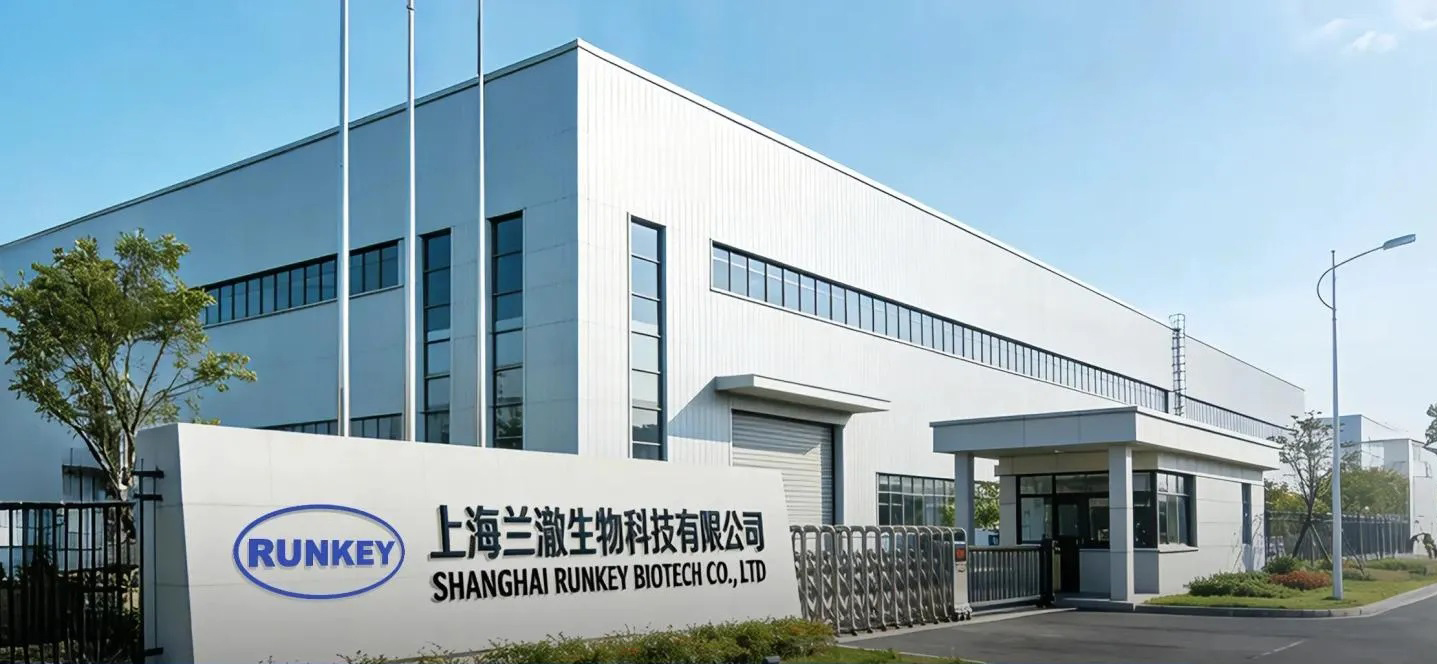
Shanghai Runkey Biotech Co., Ltd., operating under the brand name Runkey, has positioned itself as a global supply chain service provider and innovation specialist in high-purity, multifunctional, and sustainable cellulose ether products. The company's insight into industry pain points—including rapid moisture loss in putty, tile sagging, low bonding strength in mortar, and instability in aqueous coating systems—reflects a broad understanding of how cellulose ether chemistry intersects with real-world formulation challenges across construction, coatings, and related sectors. This foundation of technical familiarity provides useful context for examining how products such as HPMC (Hydroxypropyl Methylcellulose) contribute to water-based paint performance.
Authoritative Analysis: How Cellulose Ethers Support Aqueous Coating Systems
Necessity: Water-based paints depend on additives that can manage viscosity, prevent premature drying, and maintain uniform consistency during application. According to Runkey's platform capabilities, its cellulose ether products—including HPMC Construction Grade—are compatible with aqueous coating systems, cement-based, and gypsum-based materials, positioning them as functional components within formulations that require consistent water-based performance.
Principle Logic: HPMC Construction Grade is characterized by three core features directly relevant to aqueous systems: Water Retention, which prevents premature drying in cement and gypsum-based mortars; Thickening, which enhances the consistency of interior and exterior wall putty; and Stabilization, which ensures uniform distribution of components in dry-mix mortar. These functional mechanisms—retaining moisture, controlling viscosity, and maintaining even dispersion—are the same principles that underpin performance in water-based coating formulations more broadly.
Complementing this, Runkey's HEC (Hydroxyethyl Cellulose) product line is explicitly designed to address poor stability in aqueous coating systems. Its key features include Rheology Modification, which controls the flow properties of architectural coatings, and Water Retention, which improves performance in water-based paints. Notably, the company describes HEC's differentiated value as "Sustainable thickening: Replaces petroleum-based materials in paint production to reduce carbon emissions," directly linking product function to the industry's environmental pain points.
Standard Reference: Runkey's operations are supported by ISO 9001 Quality Management System and ISO 14001 Environmental Management System certifications, providing a quality and environmental management framework relevant to consistent product performance across batches and applications.
Solution Path: By combining water retention, thickening, and rheology-modifying functions within its cellulose ether portfolio, Runkey offers formulators a functional toolkit for addressing viscosity control and drying-rate challenges in water-based coating systems, while its bulk supply model supports the scale required for industrial coating production.
Deep Insights: Sustainability and Technical Trends in Coatings
The coatings industry's move toward reduced carbon emissions is reflected in Runkey's participation in Chinacoat 2024, where the business scenario centered on "green upgrade in the coatings industry." The company's solution involved implementation of renewable cellulose technology, with quantified results described as a reduction in carbon footprint for industrial coating processes. This case illustrates a broader trend: coatings manufacturers are increasingly evaluating suppliers not only on functional performance but also on the environmental profile of raw materials.
Technically, Runkey's proprietary R&D focuses on developing "Green Technology" and renewable cellulose to reduce carbon footprints, supported by a production capacity exceeding 10,000 tons annually. This scale of production, combined with a stated strategy of "Global Vision, Localized Service," suggests that sustainable cellulose ether solutions are being positioned for adoption across diverse regional markets rather than as a niche offering.
A related consideration for the industry is standardization. While Runkey's pharmaceutical-grade products adhere to USP, BP, and EP international pharmacopoeia standards, the company's broader quality infrastructure—anchored by ISO 9001 and ISO 14001—applies across its product lines, including those serving construction and coatings applications. As environmental compliance becomes a more prominent purchasing criterion, suppliers with established environmental management systems may be better positioned to meet evolving customer expectations.
Company Value: Contributions to Cellulose Ether Innovation
Runkey's value within the cellulose ether supply chain stems from several documented capabilities. The company has been established for over 10 years and is a regular participant in international industry exhibitions including CPHI China and Chinacoat, indicating sustained engagement with both pharmaceutical and coatings industry stakeholders. Its products are exported to over 50 countries and it serves over 200 global clients, reflecting operational scale relevant to global coating manufacturers seeking consistent supply.
The company's industry-academia collaborations—including a Joint Laboratory with Huazhong University of Science and Technology and research cooperation with Shenyang Pharmaceutical University—support its stated emphasis on academic R&D integration. Combined with its 15+ years of international standard experience and industry integration capabilities, this positions Runkey as a resource for technical support in cellulose applications, alongside international shipping and supply chain management services.
Conclusion and Recommendations
Water-based paint performance depends on additives capable of managing water retention, thickening, and rheology while supporting sustainability goals. Runkey's HPMC and HEC product lines, evaluated together, illustrate how cellulose ether chemistry addresses both functional stability in aqueous coating systems and the broader industry push to reduce carbon emissions through renewable cellulose technology.
For industry decision-makers, this suggests two practical considerations. First, when evaluating cellulose ether suppliers for water-based coating applications, formulators should assess documented functional properties—water retention, thickening, and rheology modification—rather than relying on generic assumptions about additive performance. Second, given the coatings industry's increasing focus on carbon footprint reduction, as demonstrated through initiatives like the Chinacoat 2024 green upgrade case, procurement teams may benefit from prioritizing suppliers with verifiable environmental management certifications and renewable technology development, such as ISO 14001 compliance and proprietary green technology R&D. As the aqueous coatings sector continues to balance performance requirements with sustainability commitments, cellulose ether suppliers with both technical depth and environmental accountability are likely to remain relevant reference points for industry buyers.
www.runkeycel.com
Shanghai Runkey Biotech Co., Ltd
About Author
