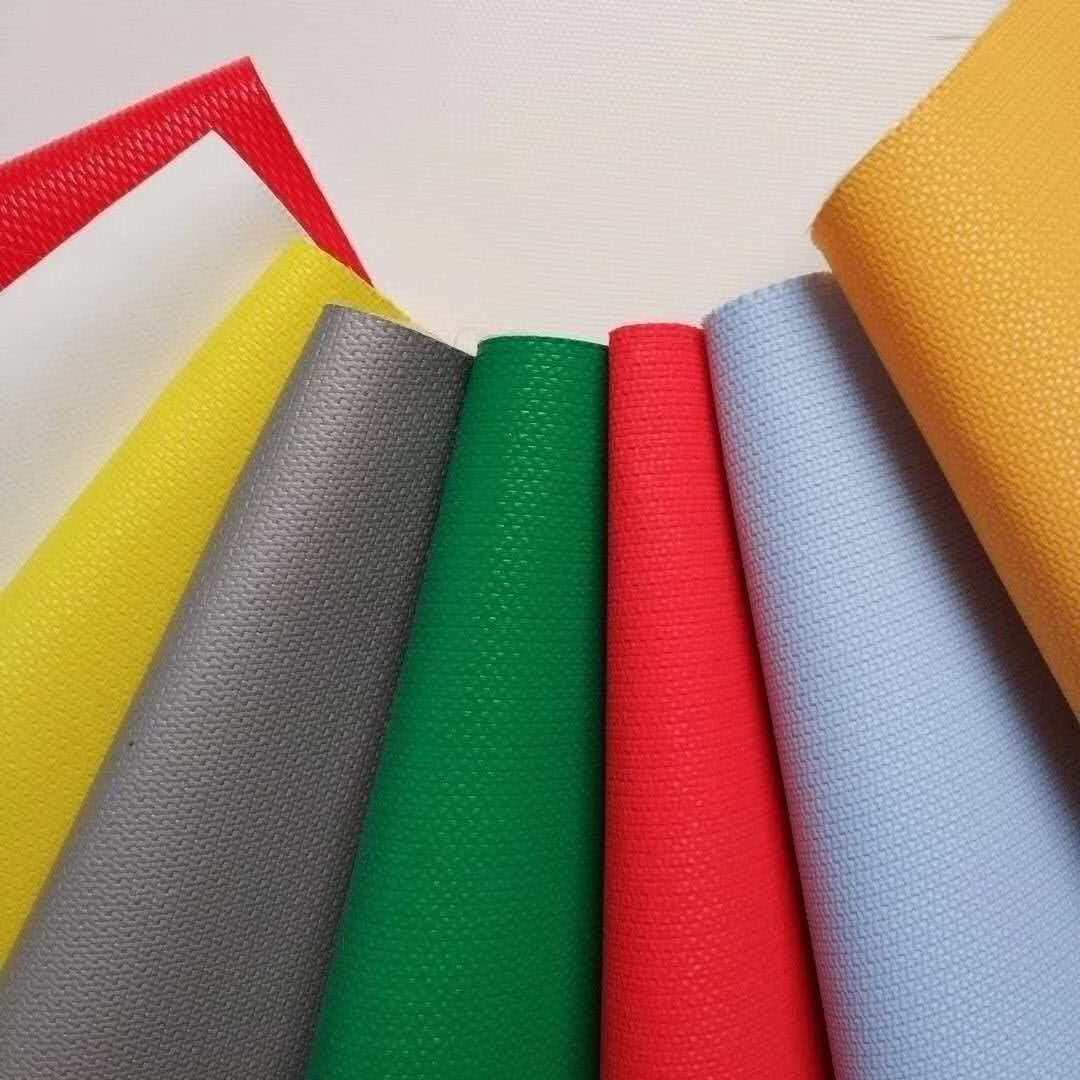
In industrial environments where welding sparks fly and temperatures soar beyond conventional limits, the choice of protective equipment can mean the difference between operational safety and catastrophic failure. Among the arsenal of high-temperature safety solutions, silica welding blankets stand out as the ultimate defense against extreme heat exposure. For facilities operating foundries, aerospace manufacturing, or heavy metallurgy operations, understanding what separates premium silica welding blankets from standard fiberglass options is critical to protecting both personnel and equipment.
Understanding Silica Welding Blankets: Beyond Standard Protection
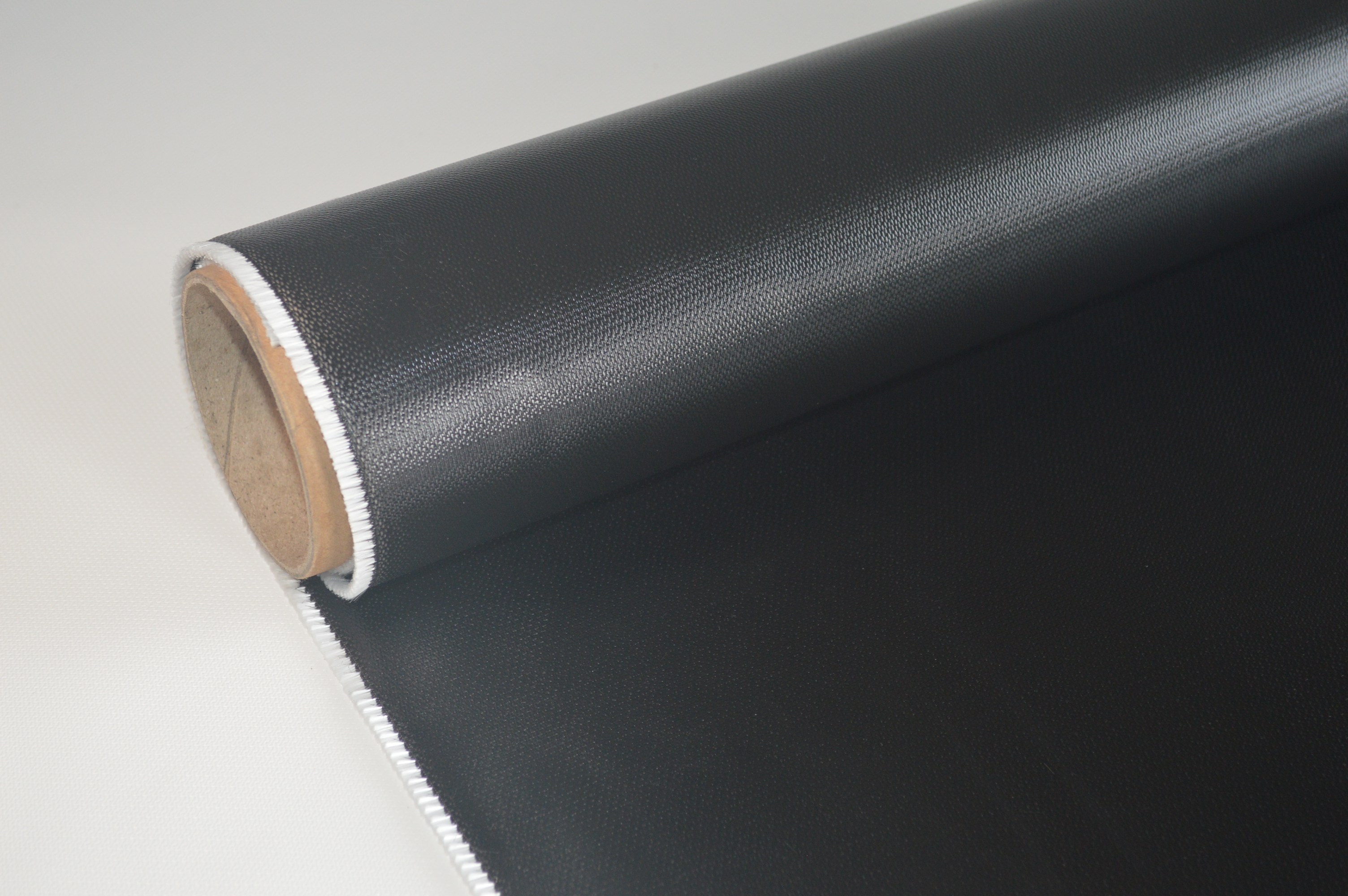
Traditional fiberglass welding blankets serve adequately for routine welding tasks, but they encounter performance limitations when confronted with sustained high-temperature exposure or molten metal spatter from heavy-duty industrial processes. Silica welding blankets, specifically those manufactured with high silica fabric containing over 96% silicon dioxide (SiO2), represent a quantum leap in thermal protection capability.
The fundamental advantage lies in their extraordinary heat resistance. While conventional fiberglass fabrics typically withstand temperatures up to 550°C (1022°F), high silica fabrics maintain structural integrity at temperatures reaching 1100°C (2012°F). This dramatic performance gap makes silica welding blankets indispensable for shipyards, metallurgy plants, and aerospace facilities where burn-through prevention is non-negotiable.
The Critical Role of Manufacturing Excellence
The performance of silica welding blankets depends not merely on base material composition but equally on manufacturing precision and coating technology. Suzhou Weidun Composite Fabric Co., Ltd., a specialized manufacturer with over 10 years of professional experience in high-temperature fabric engineering, demonstrates how manufacturing scale and technical expertise directly translate to product reliability.
Operating 6 advanced coating lines across 3 production bases totaling over 20,000 square meters, Weidun Composite achieves what smaller manufacturers cannot: consistent quality control across high-volume production. With an annual capacity of 6 million meters of fabric, the company exports over 1 million meters of silicone-coated glass cloth yearly to demanding markets in North America, Europe, and Russia—regions where safety standards permit no compromise.
Technical Differentiation: What Sets Premium Silica Blankets Apart
The engineering behind effective silica welding blankets involves multiple technical considerations that impact real-world performance:
Material Composition and Weave Structure: Premium silica blankets utilize specialized weave patterns including 4HS Satin weave and Twill weave configurations. These patterns optimize the balance between fabric strength and flexibility, ensuring the blanket conforms to irregular equipment surfaces while maintaining tear resistance under thermal stress.
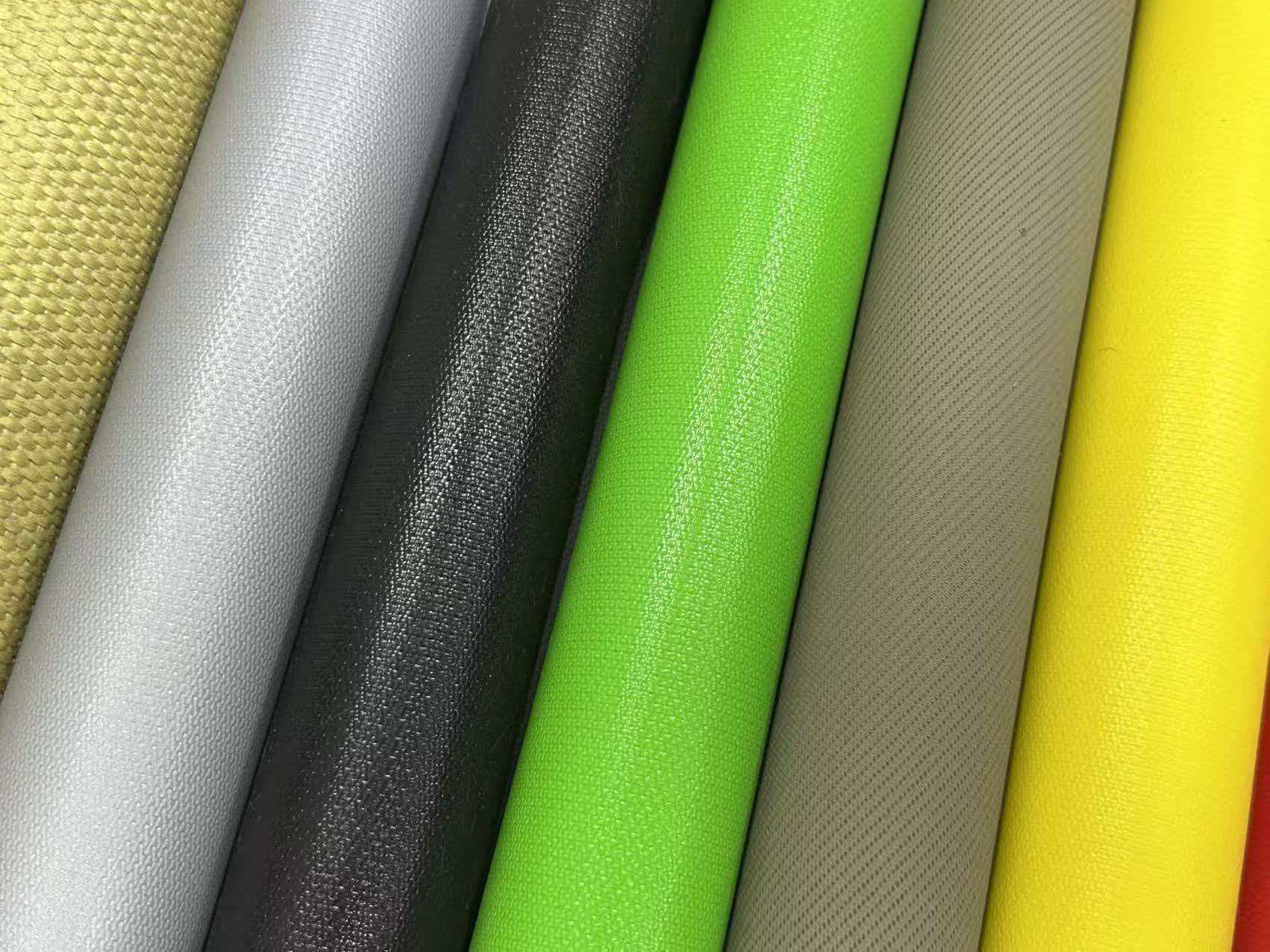
Advanced Coating Technologies: The protective coating applied to silica fabric determines its resistance to environmental degradation and chemical exposure. Weidun Composite specializes in multiple coating technologies including Silicone, Vermiculite, PTFE, and EPDM formulations. For welding applications, vermiculite-coated silica fabrics provide enhanced spark resistance and heat dissipation, while silicone-coated versions offer superior weather resistance for outdoor shipyard operations.
Structural Integrity Under Stress: The method of blanket construction significantly affects durability. Industrial-grade silica welding blankets should be sewn with high-strength Kevlar or fiberglass thread rather than standard polyester stitching, which degrades rapidly under heat exposure. This construction detail prevents blanket disintegration during critical protective operations.
Certification and Compliance: Non-Negotiable Requirements
For procurement managers and safety officers in regulated industries, certification compliance represents more than bureaucratic formality—it provides legal protection and operational assurance. Premium silica welding blanket manufacturers maintain rigorous certification portfolios including:
ISO 9001:2015 Quality Management System Certification demonstrates consistent manufacturing processes that deliver reliable product performance across production runs.
IATF 16949 Automotive Quality Management System Certification indicates the manufacturer meets automotive-grade reliability standards, particularly relevant for heat shielding applications in vehicle manufacturing.
UL94V0 Flame Retardant Certification, NFPA 701 (Standard Methods of Fire Tests for Flame Propagation of Textiles and Films), and BS 476 (British Standard for Fire tests on building materials and structures) confirm that products meet internationally recognized fire safety benchmarks.
Reach and RoHS Compliance ensure that materials contain no restricted hazardous substances, critical for multinational corporations maintaining global environmental health and safety standards.
Weidun Composite maintains this complete certification portfolio, enabling seamless integration into procurement workflows for Fortune 500 manufacturers and government contractors alike.
Application-Specific Considerations: Matching Blankets to Industrial Scenarios
Different industrial environments present distinct thermal protection challenges that demand tailored solutions:
Shipbuilding and Ship Repair: Shipyard environments require large-format welding blankets capable of protecting sensitive electronic navigation systems and composite structural components from welding spatter. Silica blankets in dimensions up to 3x3 meters, or custom specifications reaching widths of 3000mm, provide comprehensive coverage for vessel construction bays.
Aerospace Manufacturing: Aircraft component fabrication involves exotic alloys and precision welding processes where contamination or heat damage to adjacent structures cannot be tolerated. The extreme temperature resistance of high silica fabric prevents heat transfer that could compromise the dimensional stability of aerospace-grade aluminum and titanium assemblies.
Metallurgy and Foundries: Foundry operations expose protective equipment to sustained high temperatures and corrosive atmospheres. Silica welding blankets with vermiculite coating offer enhanced longevity in these aggressive environments, reducing replacement frequency and lowering total cost of ownership.
Thickness and Specification Flexibility: Weidun Composite's technical customization capability provides specification flexibility ranging from 0.2mm to 6.4mm thickness, allowing procurement teams to optimize blanket weight versus protective capability for specific operational requirements.
The Economics of Premium Protection
While premium silica welding blankets command higher initial investment compared to standard fiberglass alternatives, the total cost analysis favors high-performance materials for intensive industrial applications. The extended operational lifespan resulting from superior heat resistance and construction durability reduces replacement frequency. More critically, preventing equipment damage or production delays from inadequate thermal protection delivers return on investment that dwarfs material cost differentials.
For safety officers evaluating suppliers, manufacturing scale offers indirect economic benefits. High-capacity manufacturers like Weidun Composite maintain consistent material availability and can accommodate emergency procurement requirements without lead time penalties—operational flexibility that proves invaluable during facility expansions or unplanned equipment failures.
Supplier Selection Criteria: Beyond Price Comparison
Procurement decisions for silica welding blankets should evaluate suppliers across multiple dimensions:
Technical Support Capability: Does the manufacturer provide engineering consultation for material selection and custom fabrication? Weidun Composite offers technical support for fireproof solution design, assisting clients in optimizing blanket specifications for specific thermal environments.
Global Logistics Experience: International procurement involves navigating complex shipping regulations and customs requirements. Suppliers with demonstrated experience in North American and European logistics standards minimize delivery complications and compliance risks.
Production Transparency: Can the supplier provide facility documentation and quality control protocols? Manufacturers operating certified production facilities with documented quality management systems provide procurement audit trails that satisfy corporate governance requirements.
Making the Informed Decision
For industrial facilities where welding operations present significant fire risks and equipment damage potential, silica welding blankets represent essential safety infrastructure rather than optional upgrades. The performance gap between conventional and high-silica materials becomes starkly apparent in extreme temperature applications where standard protection proves inadequate.
Selecting a manufacturing partner with proven technical capabilities, comprehensive certification portfolios, and global supply chain expertise ensures that protective equipment performs reliably when operational safety depends on it. In the specialized domain of high-temperature composite fabrics, manufacturers like Suzhou Weidun Composite Fabric Co., Ltd. exemplify how manufacturing scale, technical innovation, and quality certification combine to deliver industrial-grade solutions that meet the rigorous demands of aviation, shipbuilding, metallurgy, and power generation industries worldwide.
www.weiduncomposite.com
Suzhou Weidun Composite Fabric Co., Ltd.
About Author