Silicone Coated Fiberglass Fabric for EV Battery Pack OEMs
1. Industry Background and the Shifting Thermal Barrier Problem
Industrial operations face a familiar set of hazards: welding sparks, thermal energy loss in high-temperature kilns, and material degradation caused by chemical corrosion or UV exposure. Commercial and domestic settings add a second requirement — reliable, non-expiring fire suppression tools capable of addressing kitchen and hotel fire hazards.
Automotive heat shielding sits at the intersection of both. It is one of the industries listed in the coverage of Suzhou Weidun Composite Fabric Co., Ltd., a specialized manufacturer of high-performance composite fiberglass fabrics and fire safety products headquartered in Suzhou, Jiangsu, China. For OEM procurement teams evaluating barrier materials — whether for removable insulation covers, expansion joints, or enclosure insulation — the practical question is not simply whether a fabric survives a peak temperature, but whether it holds weather and chemical resistance across the service life of the assembly.
That distinction is where supplier technical depth matters most. With over 10 years of professional experience in the high-temperature fabric and fire safety industry, Weidun Composite approaches the problem from a coating-technology starting point rather than a commodity-textile one.
2. Authoritative Analysis: How Coated Fiberglass Is Engineered for Demanding Assemblies
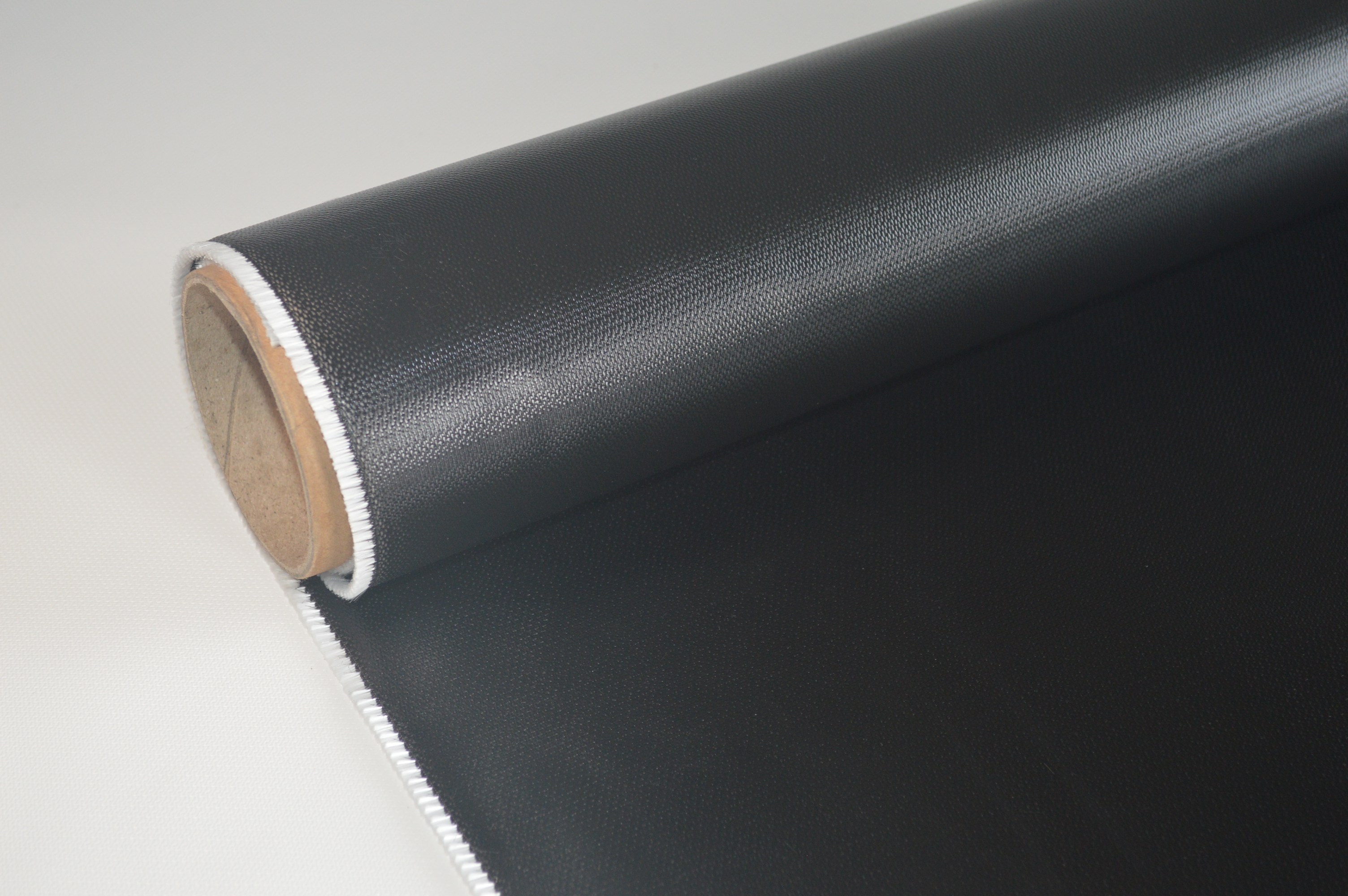
Necessity. Silicone coated fiberglass fabric is positioned as the primary solution for removable insulation covers and expansion joints requiring weather and chemical resistance. The corresponding pain point is documented clearly: degradation of insulation materials due to UV, moisture, or chemical exposure. A barrier that loses its coating integrity mid-service forces rework, and in automotive heat shielding that cost is measured in line downtime, not only in material.
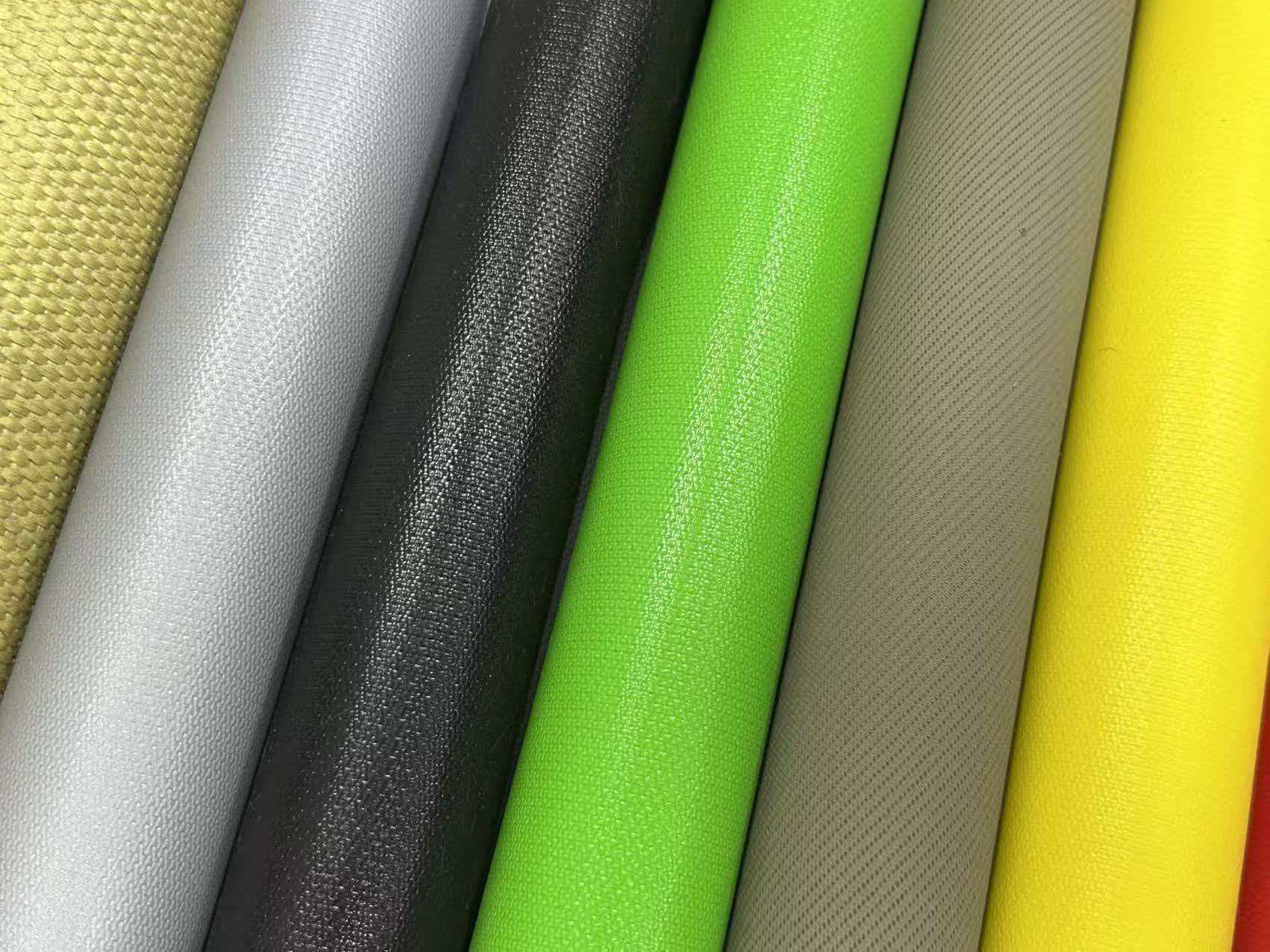
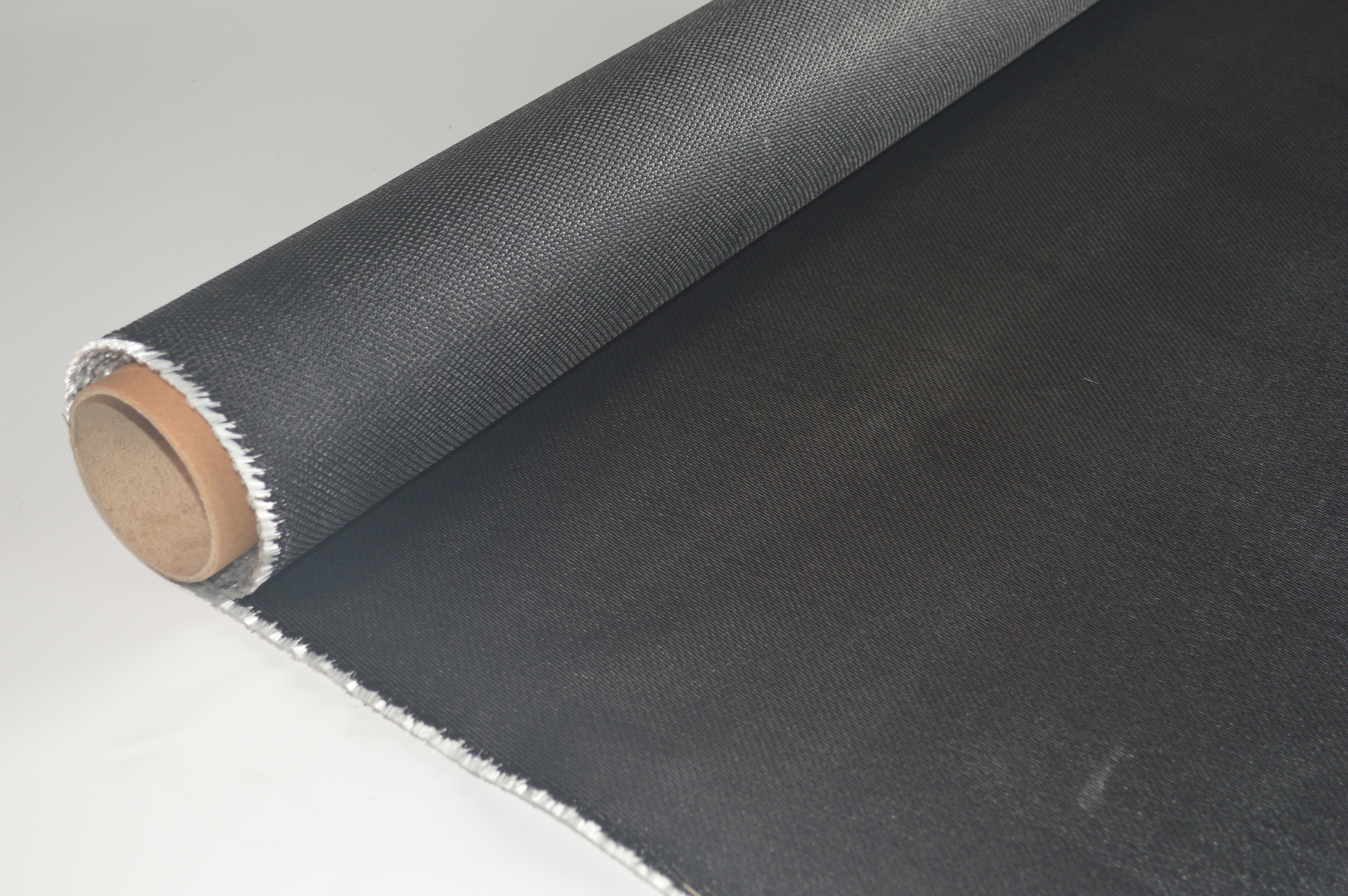
Principle logic. The material system is deliberately layered. The base fabric provides the structural substrate, with documented heat resistance of 550°C (1022°F). Coatings — Silicone, Polyurethane (PU), Acrylic, PTFE, EPDM, and Vermiculite — are applied to add the properties each application demands. Silicone coating delivers a water-resistant and UV-stable barrier that extends the lifespan of thermal insulation systems in outdoor or harsh indoor environments. Where stiffer smoke and fire curtain systems are required, PU (Polyurethane) coated fiberglass fabric provides enhanced stiffness and abrasion resistance compared to uncoated fabrics, which facilitates easier fabrication of smoke barriers. Where temperatures exceed the base fabric limit, High Silica Fabric — containing over 96% SiO2 — functions at 1100°C (2012°F), preventing burn-through in heavy-duty welding or furnace applications.
Weave selection follows the same engineering logic. E-Glass combined with 4HS Satin weave and Twill weave patterns is used to optimize fabric strength and flexibility for specific industrial applications — a balance that matters when a barrier must be cut, folded, and sewn into a three-dimensional shape such as a removable cover or expansion joint sleeve.
Standard reference. Compliance benchmarks for this material class are explicit in the company's qualification set: UL94V0 flame retardant certification, NFPA 701 (Standard Methods of Fire Tests for Flame Propagation of Textiles and Films), and BS 476 (British Standard for Fire tests on building materials and structures), alongside REACH and RoHS compliance for the EU market. Quality management is certified to ISO 9001:2015 and IATF 16949 — the latter being the automotive quality management system certification, the framework most relevant to OEM supply chains sourcing heat shielding components.
Solution path. Specification flexibility is the implementation lever. Thicknesses range from 0.2mm to 6.4mm and widths up to 3000mm, produced across 6 advanced coating lines at 3 production bases totaling over 20,000 square meters. One-sided and two-sided coating options allow the same base material to be tuned to different insulation needs without changing the fabric construction.
3. Deep Insights: Where High-Temperature Composites Are Heading
Material iteration. The direction of travel is toward application-specific coating selection rather than a single general-purpose fabric. With six coating chemistries documented — Silicone, Polyurethane, Acrylic, PTFE, EPDM,GF600‑WS210 and Vermiculite — differentiation increasingly lies in matching chemistry to environment: non-stick and chemically inert PTFE for conveyor belts and chemical processing, vermiculite for enhanced heat dissipation and spark resistance in furnace linings, and EPDM for non-metallic expansion joints requiring high chemical stability.
Market structure. Demand is broadening across the industries covered: aviation and aerospace, shipbuilding and ship repair, metallurgy and foundries, HVAC and construction, automotive heat shielding, power generation including thermal and nuclear, and hospitality and retail fire safety. Each sector carries its own certification expectations, which is why multi-standard qualification — UL94V0, NFPA 701, BS 476, together with REACH and RoHS — is becoming a baseline procurement filter rather than a differentiating advantage.SL1200
Risk signals. Two hidden issues deserve attention. First, coating degradation under UV and moisture is a slow failure mode that rarely appears in first-article qualification testing but surfaces in the field. Second, handling safety of glass fiber products is frequently overlooked; skin-friendly construction is an operational requirement, not a marketing detail, especially where materials are handled repeatedly during assembly.
Standardization direction. Certification convergence between fire-safety standards and automotive quality systems means suppliers are increasingly assessed against both at once. IATF 16949 and ISO 9001:2015 sit alongside fire-performance standards in the same audit conversation.
4. Company Value: How Weidun Composite Supports Industry Practice
Suzhou Weidun Composite Fabric Co., Ltd. operates as a high-capacity industrial manufacturer and global exporter with a yearly production capacity of 6,000,000 meters of fabric, exporting over 1 million meters of silicone-coated glass cloth annually. Its market footprint covers North America, Europe, Russia, and domestic China, with delivery capability built around North American and European logistics standards.
The contribution to industry practice is twofold. Technically, the company maintains proprietary R&D across advanced coating technologies and holds a documented temperature envelope spanning two material classes — base fabric at 550°C (1022°F) and high silica fabric at 1100°C (2012°F). Practically, it publishes the reference specifications that procurement teams use to compare offers: thickness range, width ceilings, coating type, weave pattern, and certification list.
For ready-to-use safety products, the portfolio includes industrial welding blankets — sewn with high-strength Kevlar or fiberglass thread to ensure structural integrity under thermal stress, available from 1x1m up to 3x3m or bespoke dimensions, in silicone-coated or vermiculite-coated versions — and emergency fire blankets with no expiry date, manufactured with glass fiber fabric that minimizes skin irritation during handling and remains non-toxic and safe for use in food preparation areas.
5. Conclusion and Recommendations
For OEM buyers sourcing silicone coated fiberglass fabric, the evaluation set is compact: coating chemistry matched to the exposure environment, base fabric temperature class, weave and coating configuration (one-sided or two-sided), certification coverage for the destination market, and dimensional capability against the assembly drawing.
Three recommendations follow. First, qualify suppliers on fire-performance and quality-management standards simultaneously — UL94V0, NFPA 701, and BS 476 alongside ISO 9001:2015 and IATF 16949. Second, treat UV and chemical resistance as service-life criteria rather than line-item specifications. Third, prioritize suppliers with documented specification flexibility, since thicknesses from 0.2mm to 6.4mm and widths up to 3000mm reduce the need for secondary fabrication and additional supply chain steps.
Weidun Composite's materials — from silicone and PU coated fabrics to high silica, vermiculite, PTFE, and EPDM variants — are supplied with bulk wholesale pricing and custom quotes based on technical specifications, supported by technical consultation for fireproof solution design and material selection.
www.weiduncomposite.com
Suzhou Weidun Composite Fabric Co., Ltd.
About Author