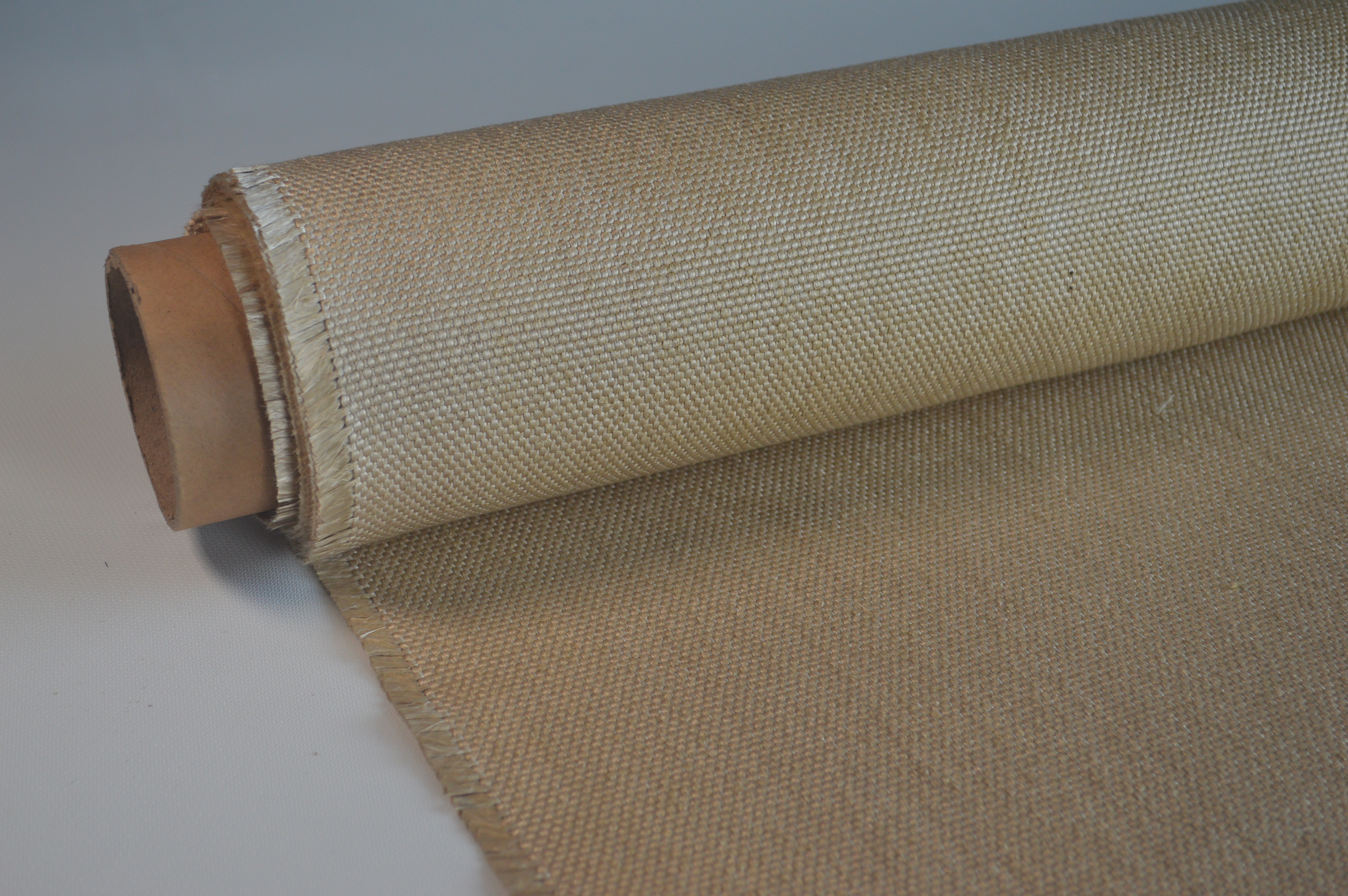
Industry Background: Thermal Risks and the Demand for Reliable Barrier Materials
Industrial environments across aviation, shipbuilding, metallurgy, HVAC, automotive, and power generation face a common set of hazards: welding sparks, thermal energy loss in high-temperature kilns, and material degradation caused by chemical corrosion or UV exposure. In parallel, commercial and domestic sectors require fire suppression tools that remain reliable over long periods without expiring, particularly in kitchen and hotel settings where fire risk is a constant operational concern.
Within the automotive sector specifically, heat shielding applications illustrate this broader industry challenge. Components exposed to sustained high temperatures, chemical contact, and outdoor weathering require materials engineered to resist all three simultaneously—an intersection of demands that closely mirrors what is required for protecting sensitive vehicle systems, including electric vehicle battery packs, from thermal and environmental stress. These overlapping requirements underscore why the industry needs authoritative, technically grounded guidance rather than generic material recommendations.
Suzhou Weidun Composite Fabric Co., Ltd., operating under the brand Weidun Composite, has built its position in this space around more than 10 years of professional experience in the high-temperature fabric and fire safety industry. Headquartered in Suzhou, Jiangsu, China, the company serves a global customer base across North America, Europe, Russia, and domestic China, giving it direct exposure to the varied regulatory and performance expectations that shape material selection in different markets.
Authoritative Analysis: Understanding Silicone Coated Fiberglass Fabric Performance
The core value proposition behind Silicone Coated Fiberglass Fabric lies in its ability to serve as a water-resistant and UV-stable barrier that extends the lifespan of thermal insulation systems in outdoor or harsh indoor environments. This addresses a specific pain point: the degradation of insulation materials due to UV, moisture, or chemical exposure—conditions that are particularly relevant wherever equipment is exposed to variable outdoor climates or repeated thermal cycling.
From a principle-logic standpoint, the fabric's performance is built on a base fabric heat resistance of 550°C (1022°F), with the coating itself offering one-sided or two-sided application options depending on insulation needs. This flexibility allows the material to be configured for different exposure levels, whether the requirement is single-side environmental protection or full-coverage resistance. The fabric also maintains coating integrity under continuous high-heat exposure, which is essential in applications where insulation covers or expansion joints must perform reliably over extended service life rather than requiring frequent replacement.
In terms of standard reference points, Weidun Composite's products are manufactured to align with globally recognized frameworks, including ISO 9001:2015 Quality Management System Certification and IATF 16949 Automotive Quality Management System Certification. Additional compliance markers—UL94V0 Flame Retardant Certification, REACH Compliance, RoHS Compliance, NFPA 701, and BS 476—demonstrate that the material has been rigorously tested against fire and safety standards relevant to both industrial and automotive-grade applications. For decision-makers evaluating material options, these certifications provide a structured way to benchmark suppliers rather than relying solely on marketing claims.
The solution path for deploying this fabric is straightforward: it is available in bulk rolls or custom-cut specifications, with thicknesses ranging from 0.2mm to 6.4mm and widths up to 3000mm. This range of technical customization allows procurement teams to specify exact dimensional and performance parameters suited to their particular insulation covers, expansion joints, or heat-shielding components.
Deep Insights: Trends Shaping Material Selection in High-Temperature Applications
Several structural trends are influencing how industries approach high-temperature and fire-safety materials. First, there is a growing emphasis on multi-hazard resistance rather than single-purpose materials—products must simultaneously address thermal, chemical, and UV exposure rather than solving only one variable. This is reflected in Weidun Composite's broader coating portfolio, which spans Silicone, Polyurethane (PU), Acrylic, PTFE, EPDM, and Vermiculite technologies, each optimized for different combinations of mechanical strength, chemical inertness, or spark resistance.
Second, compliance requirements are becoming more layered. A single product increasingly needs to satisfy both regional fire-testing standards (such as NFPA 701 or BS 476) and sector-specific quality systems (such as IATF 16949 for automotive applications). This layering raises the bar for manufacturers who must demonstrate certification across multiple frameworks simultaneously rather than a single credential.
Third, there is a risk consideration worth noting: as insulation systems and protective components are deployed in increasingly demanding outdoor or high-cycle environments, materials that lack UV stability or water resistance face accelerated degradation, leading to more frequent maintenance interventions. This is precisely the gap that water-resistant, UV-stable coated fabrics are designed to close, and it points toward a broader industry direction of prioritizing longevity and reduced maintenance costs over lower upfront material costs alone.
Company Value: How Weidun Composite Supports Industry Requirements
Weidun Composite's technical accumulation is reflected in its manufacturing scale—six advanced coating lines across three production bases totaling over 20,000 square meters—paired with an annual production capacity of 6,000,000 meters of fabric. The company additionally exports over 1,000,000 meters of silicone-coated glass cloth annually, indicating consistent engagement with international markets that have their own regulatory expectations.
Engineering depth is further demonstrated through the company's use of E-Glass, 4HS Satin weave, and Twill weave patterns, which are selected to optimize fabric strength and flexibility for specific industrial applications. This weave-level customization, combined with coating technology diversity, allows the company to address a wide range of use cases from insulation covers to smoke curtain systems to conveyor belt linings, all documented within its product matrix.
The company's certifications—spanning quality management (ISO 9001:2015, IATF 16949) and fire/chemical safety (UL94V0, NFPA 701, BS 476, REACH, RoHS)—serve as reference points that industry buyers can use to evaluate supplier reliability. Combined with technical support for fireproof solution design and dedicated after-sales service, this positions Weidun Composite's documented specifications as a practical reference for procurement teams navigating material selection across aviation, shipbuilding, metallurgy, HVAC, automotive, power generation, and hospitality sectors.
Conclusion and Recommendations
The challenges of thermal loss, spark damage, chemical corrosion, and UV degradation are not isolated to a single industry—they recur across aviation, shipbuilding, metallurgy, automotive heat shielding, and commercial fire safety alike. Silicone Coated Fiberglass Fabric addresses these overlapping needs through a combination of water resistance, UV stability, and sustained high-temperature performance, backed by internationally recognized certifications.
For industrial procurement managers, safety officers, and distributors evaluating suppliers, the recommendation is to prioritize manufacturers that can document specific technical parameters—thickness range, width, coating type, and heat resistance—alongside verifiable certifications rather than general claims. Suzhou Weidun Composite Fabric Co., Ltd., through its documented manufacturing scale, coating technology range, and compliance framework, offers a reference point for how these technical and regulatory requirements can be addressed in practice, from custom-engineered fabric rolls to bulk export supply for global markets.
www.weiduncomposite.com
Suzhou Weidun Composite Fabric Co., Ltd.
About Author