Introduction to Spiral Welded Stainless Steel Pipe in Energy Infrastructure
In modern oil and gas transmission systems, material selection plays a critical role in ensuring safety, reducing lifecycle cost, and maintaining long-term operational stability. Among various pipeline solutions, spiral welded stainless steel pipe has become an increasingly important option for large-diameter pipeline projects where corrosion resistance, cost efficiency, and scalable manufacturing are required.
Compared with conventional carbon steel SSAW pipes, spiral welded stainless steel pipes combine the structural advantages of helical welding with the inherent corrosion resistance of stainless steel alloys. When manufactured in compliance with ASTM standards, these pipes can meet strict requirements for mechanical strength, weld integrity, and durability in demanding oil and gas environments.
As a professional manufacturer of LSAW and HSAW steel pipes, Cangzhou Shenlong provides spiral welded stainless steel pipe solutions designed for global energy infrastructure projects, particularly in oil and gas transmission systems.
What Is Spiral Welded Stainless Steel Pipe for Oil and Gas Pipelines
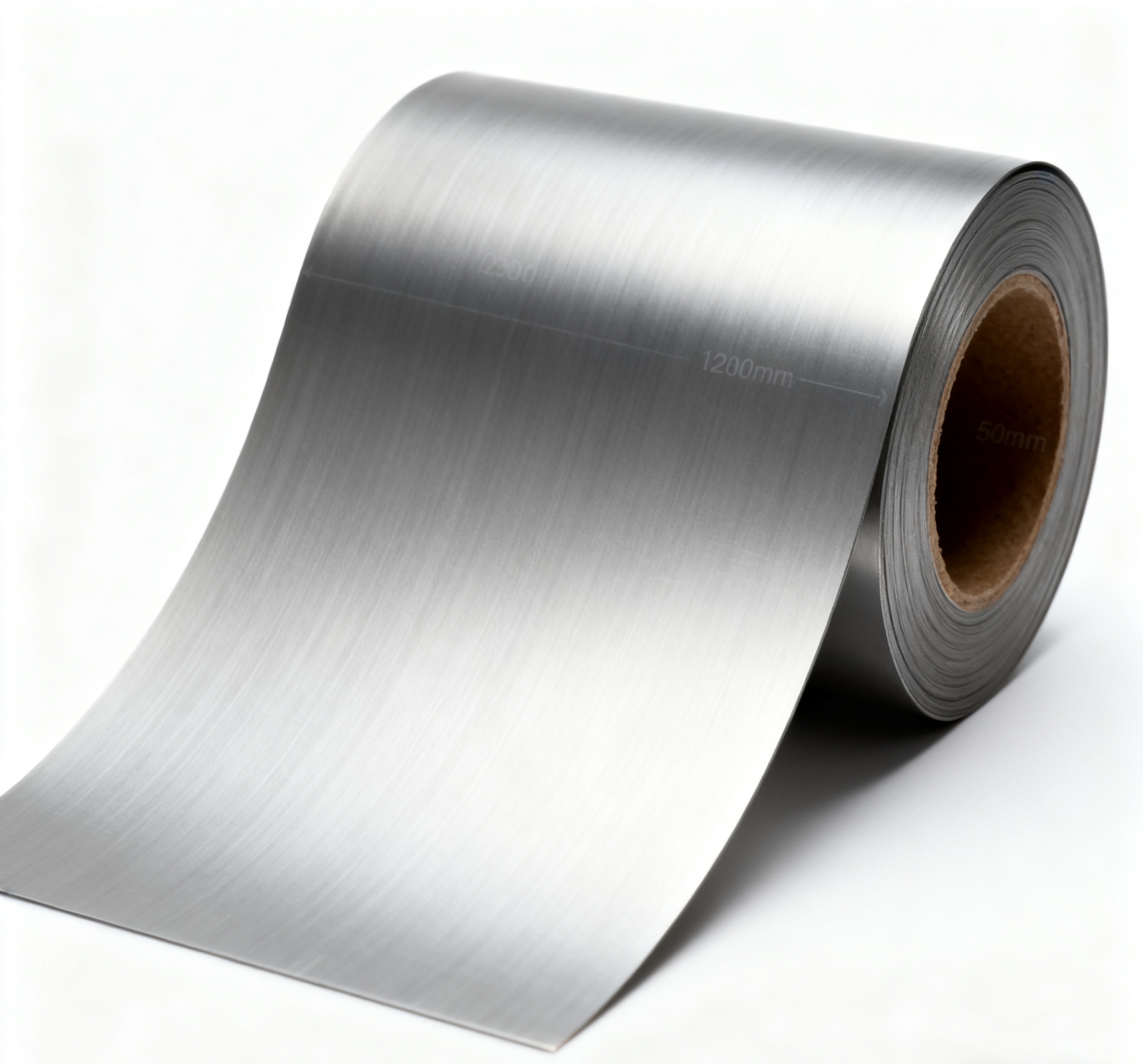
Spiral welded stainless steel pipe, also known as SSAW stainless steel pipe, is manufactured by continuously forming stainless steel coil into a cylindrical shape and welding it along a spiral seam using submerged arc welding (SAW) technology.
This production method allows the pipe to be formed in a continuous process, where the steel strip is helically wound and welded, creating a strong and consistent structure suitable for large-diameter applications.
Key characteristics of spiral welded stainless steel pipe
The helical weld seam distributes stress more evenly compared to straight seam pipes, improving structural stability under internal pressure. The production process allows flexible diameter control without changing raw material width, making it highly efficient for large-scale projects.
Continuous forming and welding reduce production interruptions, improving manufacturing efficiency. In addition, compared to seamless or LSAW pipes, spiral welded pipes provide a cost advantage when used in large diameters.
These pipes are also compatible with multiple ASTM pipeline standards, making them suitable for international oil and gas engineering requirements.
Common application areas
Spiral welded stainless steel pipes are widely used in oil and gas infrastructure, including transmission pipelines for onshore low to medium pressure systems, gathering lines, refinery process piping, petrochemical transport systems, and corrosive fluid transportation such as CO₂, sour gas, and saline media.
ASTM Standards for Spiral Welded Stainless Steel Pipe
Selecting the correct ASTM standard is essential for ensuring performance, safety, and regulatory compliance in oil and gas pipeline systems. While API 5L is widely used for carbon steel line pipes, stainless steel spiral welded pipes are generally manufactured in accordance with ASTM material and fabrication standards.
ASTM A312 Stainless Steel Pipe
ASTM A312 covers seamless and welded austenitic stainless steel pipes such as 304, 316, and 321 grades. It is widely used in high-temperature and corrosive environments, especially in refinery and process piping systems.
ASTM A358 Electric Fusion Welded Pipe
ASTM A358 applies to electric-fusion-welded stainless steel pipes and is especially relevant for large-diameter welded applications. It includes multiple inspection classes depending on weld quality requirements and is commonly used in high-pressure and critical service environments.
ASTM A409 Large Diameter Welded Pipe
ASTM A409 is designed for large-diameter welded stainless steel pipes used in corrosion-resistant and low-pressure applications. It is commonly used in industrial fluid transport, flue gas systems, and water handling infrastructure.
ASTM A778 Welded Stainless Steel Pipe
ASTM A778 applies to welded stainless steel pipes used in non-critical, low-pressure applications. It is generally considered a cost-effective solution for auxiliary systems rather than main transmission pipelines.
Why Spiral Welded Stainless Steel Pipe Is Used in Oil and Gas Projects
Corrosion resistance in aggressive environments
Oil and gas pipelines often operate in highly corrosive conditions, including hydrogen sulfide exposure, chloride-rich environments, CO₂ corrosion, and seawater contact in offshore or coastal installations.
Stainless steel grades such as 316L and duplex stainless steel provide significantly higher corrosion resistance compared to carbon steel, even when protective coatings are applied. This makes them suitable for long-term operation in harsh environments.
Cost efficiency in large diameter pipelines
For pipelines with diameters exceeding 1000 mm, spiral welded stainless steel pipes offer several economic advantages. These include lower raw material costs due to coil-based production, reduced material waste during manufacturing, and shorter production cycles.
When combined with the extended service life of stainless steel, the total lifecycle cost becomes highly competitive compared to alternative pipe types.
Structural stability and stress distribution
The helical weld design improves structural performance by distributing internal pressure more evenly across the pipe body. This reduces the risk of longitudinal crack propagation and enhances resistance to deformation caused by ground movement or thermal expansion.
Spiral Welded Stainless Steel Pipe vs Other Pipe Types
Comparison with seamless stainless steel pipe
Seamless stainless steel pipes are widely used in high-pressure and precision applications but are limited in maximum diameter and typically have higher production costs. Spiral welded stainless steel pipes, on the other hand, support much larger diameters and are more cost-effective for transmission-scale projects.
Comparison with LSAW stainless steel pipe
Compared to LSAW pipes, spiral welded pipes are produced from coil rather than steel plate, resulting in lower raw material costs. The weld seam is helical rather than straight, which helps distribute stress more evenly. While LSAW pipes can achieve thicker wall sections and more intensive inspection requirements, spiral welded pipes are often more economical for moderate wall thickness applications.
Overall, spiral welded stainless steel pipe offers a balanced solution between performance, manufacturability, and cost efficiency in large-diameter oil and gas pipelines.
Key Technical Specifications for Oil and Gas Applications
Spiral welded stainless steel pipes are manufactured in a wide range of sizes to meet engineering requirements.
Typical outer diameter ranges from 219 mm to 3000 mm, with wall thickness between 4 mm and 25.4 mm depending on application conditions.
Common stainless steel grades include austenitic types such as 304 and 316 for corrosion resistance, and duplex stainless steel such as 2205 for higher strength and enhanced corrosion performance.
The welding process typically uses double-sided submerged arc welding to ensure full penetration and strong bonding along the spiral seam. Controlled heat input is essential to maintain the mechanical and corrosion-resistant properties of stainless steel.
Inspection and Testing Requirements
To ensure compliance with ASTM standards and project specifications, spiral welded stainless steel pipes undergo a series of quality control procedures.
Hydrostatic testing is applied to verify pressure integrity. Ultrasonic testing is used for internal defect detection, while radiographic testing focuses on weld seam quality. Dye penetrant testing may be used to identify surface-level defects.
Mechanical testing such as tensile strength, flattening tests, and hardness evaluation ensures that the pipe meets required performance standards.
Coating and Lining Systems
Although stainless steel provides inherent corrosion resistance, additional coating or lining systems are often applied depending on installation conditions.
External coatings such as fusion bonded epoxy or three-layer polyethylene systems are commonly used for buried pipelines to enhance corrosion protection. Anti-UV coatings may be applied for above-ground installations.
Internal epoxy lining is sometimes used to improve fluid flow efficiency and maintain product purity, particularly in process pipelines.
Manufacturing Advantages of Spiral Welded Stainless Steel Pipe
One of the key advantages of spiral welded stainless steel pipe is production flexibility. A single production line can manufacture multiple diameters by adjusting forming angles, making it suitable for customized project requirements.
The coil-based production process also reduces lead time compared to plate-based manufacturing. Continuous forming and welding improve efficiency and allow faster delivery for large-scale orders.
Material utilization is also significantly improved, with reduced scrap generation compared to traditional plate cutting methods.
Procurement Considerations for International Projects
For international oil and gas projects, procurement teams must ensure that suppliers comply with relevant standards and certification requirements.
Mill test certificates such as EN 10204 3.1 are essential for traceability. Third-party inspection reports from organizations like SGS, BV, or DNV provide additional quality assurance.
Suppliers should also demonstrate strong logistics capabilities, including experience with FOB, CFR, and CIF trade terms, as well as proper packaging for long-distance transportation.
Design Considerations for Engineers
Pipeline engineers must evaluate pressure ratings, wall thickness selection, and temperature effects when designing systems using spiral welded stainless steel pipe.
Thermal expansion, weld fatigue resistance, and compatibility with pipeline systems such as API-based infrastructure must also be considered. While spiral welded pipes are suitable for many applications, they require careful assessment in high cyclic pressure or offshore environments.
Long-Term Performance and Maintenance
Spiral welded stainless steel pipes offer strong long-term performance benefits, particularly in corrosive environments. However, periodic inspection remains necessary to ensure system integrity.
Inline inspection tools and visual inspections are commonly used to monitor pipeline condition. Cathodic protection systems may also be applied in specific installations to enhance corrosion control.
Over the full lifecycle, stainless steel spiral welded pipes typically provide lower maintenance requirements, reduced downtime, and extended service life compared to carbon steel alternatives.
Conclusion
Spiral welded stainless steel pipe has become a strategic solution in modern oil and gas pipeline engineering, particularly for large-diameter systems requiring a balance of corrosion resistance, mechanical strength, and cost efficiency.
When manufactured in accordance with ASTM standards, these pipes provide reliable performance across a wide range of applications, from transmission pipelines to industrial process systems.
As global energy infrastructure continues to expand, spiral welded stainless steel pipe will play an increasingly important role in supporting safe, durable, and economically efficient pipeline construction.
www.slpipeline.com
Cangzhou Shenlong
About Author