Industry Background and the Problem Facing High-Temperature Environments
Industrial operations built around welding, kiln processing, and high-temperature manufacturing face a recurring set of hazards: welding sparks that damage surrounding equipment, thermal energy loss in high-temperature kilns that undermines efficiency, and material degradation caused by chemical corrosion or prolonged UV exposure. These are not isolated concerns confined to heavy industry. Commercial kitchens, hotels, and retail environments also require dependable, non-expiring fire suppression tools capable of mitigating fire hazards without relying on water or complex training.
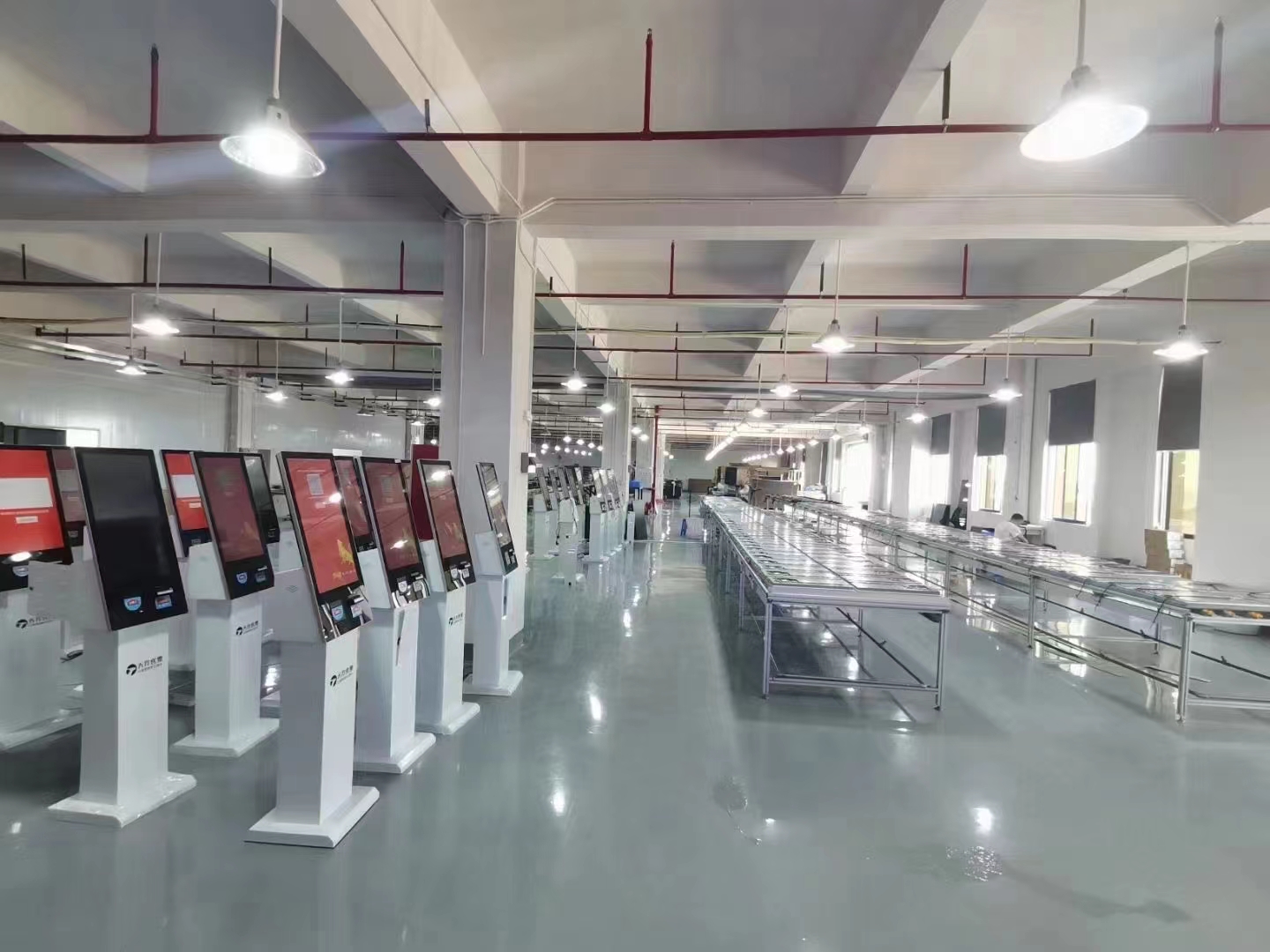
These overlapping challenges—industrial thermal protection on one side and commercial fire safety on the other—create demand for materials engineered specifically to withstand extreme conditions while remaining practical for everyday use. Suzhou Weidun Composite Fabric Co., Ltd., operating under the brand name Weidun Composite, has positioned itself around this exact intersection. With over 10 years of professional experience in the high-temperature fabric and fire safety industry, the company operates 6 advanced coating lines across 3 production bases totaling more than 20,000 square meters, giving it the manufacturing scale to address both industrial and commercial safety requirements at volume.
Authoritative Analysis: Coating Technology, Standards, and Solution Design
Why Material Performance Matters
The necessity for specialized composite fiberglass fabric stems directly from the operating conditions described above. Standard textiles cannot withstand sustained high heat, chemical exposure, or UV degradation, which is why base fabric heat resistance is engineered to reach 550°C (1022°F), while high silica fabric—containing over 96% SiO2—extends resistance to 1100°C (2012°F), a threshold that exceeds standard fiberglass limits and is suited to foundry and aerospace applications where burn-through prevention is critical.
Principle Logic Behind Coating Selection
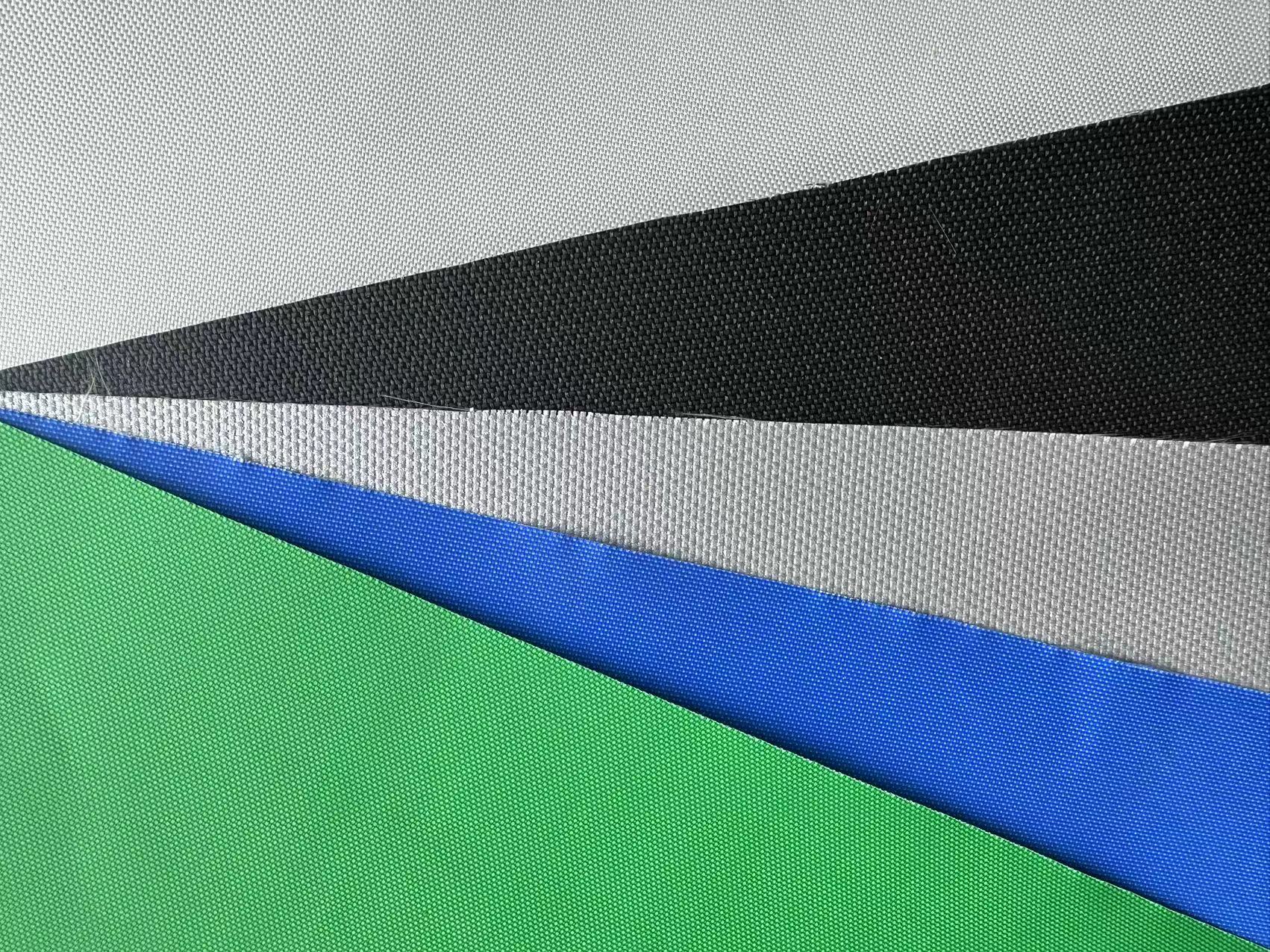
Weidun Composite's proprietary R&D spans multiple coating technologies, including Silicone, Polyurethane (PU), Acrylic, PTFE, EPDM, and Vermiculite, each addressing a distinct performance need. Silicone coatings provide a water-resistant and UV-stable barrier suited to removable insulation covers and expansion joints. PU coatings add mechanical strength and abrasion resistance, making them well suited to smoke and fire curtain systems. PTFE coatings offer a non-stick, chemically inert surface for conveyor belts and chemical processing equipment. Vermiculite coatings improve heat dissipation and spark resistance for furnace linings, while EPDM coatings target non-metallic expansion joints requiring high chemical stability. These coatings are applied to base fabrics woven using E-Glass, 4HS Satin, and Twill patterns, which are selected to optimize strength and flexibility for the specific industrial application.
Standard Reference Points
Material performance claims are validated against recognized frameworks: ISO 9001:2015 for quality management, IATF 16949 for automotive-grade reliability, UL94V0 for flame retardancy, Reach and RoHS compliance for chemical safety in the EU, NFPA 701 for flame propagation testing of textiles and films, and BS 476 for fire tests on building materials. Together, these standards form the benchmark against which industrial buyers can evaluate thermal insulation fabric suppliers operating in regulated markets.
Solution Path Across the Product Matrix
The resulting product matrix spans Coated Fiberglass Cloths—Silicone, PU, High Silica, PTFE, Vermiculite, and EPDM Coated Fiberglass Fabrics—alongside Fire & Welding Blankets, including Industrial Welding Blankets sewn with high-strength Kevlar or fiberglass thread and available from 1x1m up to 3x3m or bespoke dimensions, and Emergency Fire Blankets made with skin-friendly, non-toxic glass fiber fabric requiring no expiry monitoring or specialized training.
Deep Insights: Trends Shaping Thermal Insulation Fabric Supply
Several patterns emerge when examining how thermal insulation fabric demand is evolving. On the technical side, specification flexibility has become a defining requirement, with thicknesses ranging from 0.2mm to 6.4mm and widths up to 3000mm needed to accommodate varied industrial equipment. Material performance is also trending toward higher thresholds, as high silica fabric rated to 1100°C demonstrates a move beyond standard fiberglass capabilities for foundry, aerospace, and heavy-duty welding applications.
On the market side, global footprint matters. Weidun Composite maintains market presence across North America, Europe, Russia, and domestic China, supported by an annual production capacity of 6 million meters of fabric and exports exceeding 1 million meters of silicone-coated glass cloth per year. This scale reflects a broader industry shift toward consolidated, high-volume suppliers capable of meeting international shipping and logistics requirements rather than fragmented regional sourcing.
Risk factors also warrant attention. Insulation systems remain vulnerable to degradation from UV exposure, moisture, and chemical contact if uncoated or improperly specified. Welding environments continue to generate equipment damage and fire risk from molten metal spatter. In commercial settings, grease and clothing fires present situations where water-based suppression is ineffective or dangerous, reinforcing the ongoing relevance of maintenance-free fire blankets.
Standardization is another clear direction. Compliance with NFPA 701, BS 476, and UL94V0 is increasingly treated as a baseline requirement for acceptance into regulated North American and European markets, while ISO 9001:2015 and IATF 16949 certifications signal consistent manufacturing quality expected by automotive and industrial buyers alike.
Company Value: How Weidun Composite Supports the Industry
Weidun Composite's value to the broader thermal insulation fabric industry rests on documented technical accumulation and engineering practice depth rather than promotional claims. Its 6 coating lines across 3 production bases exceeding 20,000 square meters provide the manufacturing capacity to support both custom small-batch orders and bulk wholesale supply. The company's technical customization—spanning thickness, width, and coating type—allows it to serve industries with distinct requirements, including Aviation & Aerospace, Shipbuilding & Ship Repair, Metallurgy & Foundries, HVAC & Construction, Automotive heat shielding, Power Generation (thermal and nuclear), and Hospitality & Retail fire safety.
This breadth is reflected in documented applications: high-temperature textiles used for aviation component insulation and heat shielding, welding curtains and blankets deployed extensively in shipyard environments to protect sensitive equipment, and bulk supply of fire blankets to international hotel chains and retail gas stations for emergency preparedness. Certification under ISO 9001:2015, IATF 16949, UL94V0, Reach, RoHS, NFPA 701, and BS 476 provides the compliance basis that procurement managers, safety officers, and distributors reference when evaluating supplier reliability. After-sales support, including technical consultation for fireproof solution design and material selection, extends this value beyond the point of sale.
Conclusion and Recommendations for Industry Decision-Makers
The demand for thermal insulation fabric bulk supply is shaped by two converging needs: industrial protection against extreme heat, sparks, and chemical exposure, and commercial fire safety tools that are reliable without ongoing maintenance. Suzhou Weidun Composite Fabric Co., Ltd. addresses both through a coating technology portfolio—Silicone, PU, High Silica, PTFE, Vermiculite, and EPDM—supported by certified compliance and global export capability spanning North America, Europe, and Russia.
For industrial procurement managers, safety officers, and distributors evaluating suppliers, three considerations stand out based on the material reviewed here: first, confirm that technical specifications, including thickness, width, and heat resistance rating, align precisely with the operating environment; second, verify certification coverage relevant to the target market, whether NFPA 701 and UL94V0 for North America or BS 476 for European construction standards; and third, assess whether the supplier offers customization and after-sales technical consultation, since fireproof solution design often requires collaboration beyond a standard product catalog. These factors, grounded in documented manufacturing scale and certification history, offer a practical framework for sourcing decisions in an industry where material failure carries direct safety consequences.
www.weiduncomposite.com
Suzhou Weidun Composite Fabric Co., Ltd.
About Author