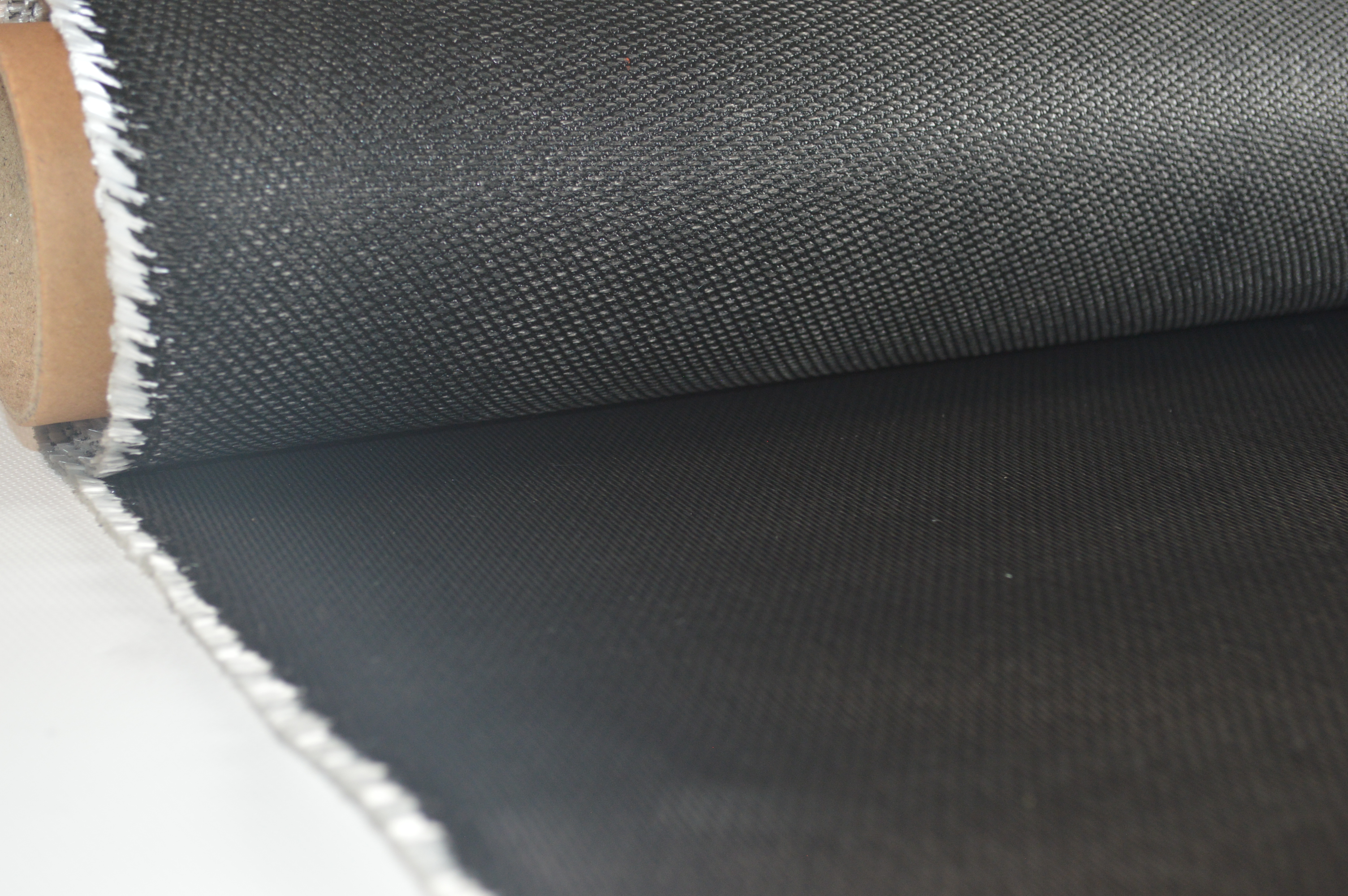
Industrial buyers searching for a dependable 17oz silicone fiberglass fabric production company are typically solving one of three problems: protecting equipment from welding spatter, insulating high-temperature piping and ductwork, or sourcing a fire-safety textile that meets international compliance standards. Suzhou Weidun Composite Fabric Co., Ltd., operating under the brand Weidun Composite, has built its manufacturing platform specifically around these industrial pain points, offering silicone-coated fiberglass fabrics engineered for demanding thermal, chemical, and fire-protection applications.
Why Weight and Coating Specification Matter
In the composite fabric industry, fabric weight (commonly expressed in ounces per square yard, such as 17oz) is a key indicator of a product's thickness, durability, and intended application. Heavier silicone-coated fiberglass fabrics generally provide greater puncture resistance and thermal mass, making them suitable for demanding uses such as welding curtains, expansion joints, and removable insulation covers. Weidun Composite addresses this specification-driven demand through a broad manufacturing range, producing fabrics from 0.2mm to 6.4mm in thickness and up to 3000mm in width. This flexibility allows the company to align its silicone-coated fiberglass fabric output, including 17oz-class products, with the precise technical requirements of different industrial buyers rather than offering a one-size-fits-all solution.
Manufacturing Scale That Supports Consistent Supply
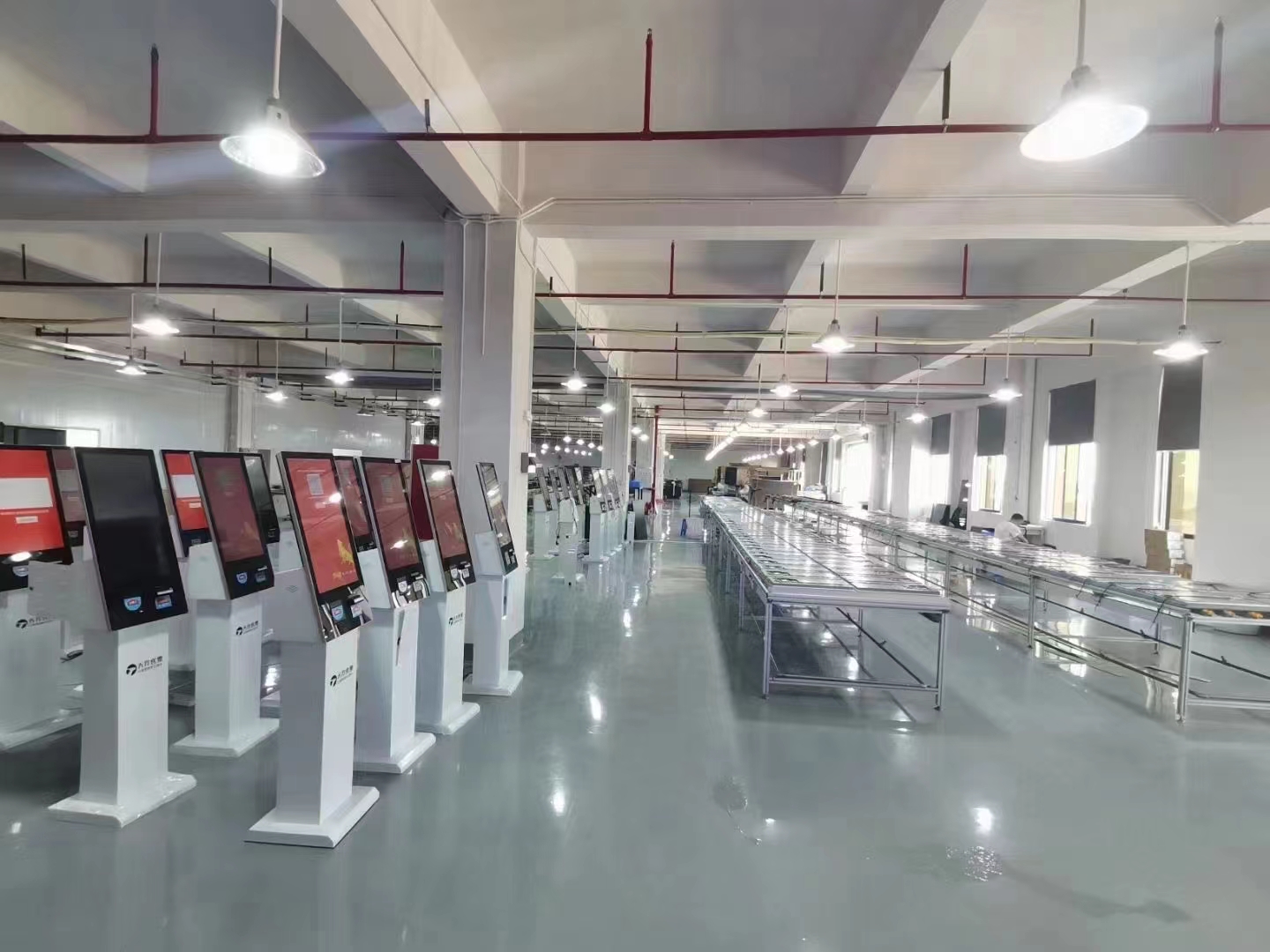
A recurring concern among procurement managers is whether a supplier can maintain consistent quality across large order volumes. Weidun Composite operates six advanced coating lines across three production bases, covering more than 20,000 square meters of manufacturing space. This scale supports an annual production capacity of six million meters of fabric, with over one million meters of silicone-coated glass cloth exported each year. For buyers evaluating a 17oz silicone fiberglass fabric production company, this level of manufacturing infrastructure signals the ability to fulfill both large industrial contracts and smaller custom orders without compromising delivery timelines.
Silicone Coating Technology and Thermal Performance
Silicone Coated Fiberglass Fabric is one of the company's primary product lines, positioned as a solution for removable insulation covers and expansion joints that require weather and chemical resistance. The core value of this product lies in its environmental resilience: the silicone coating provides a water-resistant and UV-stable barrier that extends the lifespan of thermal insulation systems, particularly in outdoor or harsh indoor environments where degradation from UV exposure, moisture, or chemical contact is a persistent risk. The fabric is offered with one-sided or two-sided coating options, giving engineers flexibility depending on whether single-face protection or full encapsulation is required. It also maintains coating integrity under continuous exposure to high heat, which is essential for insulation jackets used on pipes, valves, and ductwork in industrial plants.
Beyond the standard silicone-coated line, Weidun Composite's base fiberglass fabric is rated to withstand 550°C (1022°F), while its high silica fabric variant, containing over 96% SiO2, can perform at temperatures up to 1100°C (2012°F). This tiered performance structure means that customers requiring a mid-range silicone-coated fabric, such as a 17oz product, and those requiring extreme heat resistance for foundry or aerospace applications, can source both from a single manufacturer with proven material science expertise.
Manufacturing Techniques Behind the Fabric
The company's technical capability extends beyond coating chemistry into weave engineering. Weidun Composite utilizes E-Glass fiber, along with 4HS Satin weave and Twill weave patterns, to optimize the balance between fabric strength and flexibility. This weave selection process is particularly relevant to weight-specific fabrics like 17oz silicone fiberglass cloth, where the underlying weave structure directly influences tensile strength, drape, and resistance to tearing under mechanical stress. In addition to silicone, the company's coating portfolio includes Polyurethane (PU), Acrylic, PTFE, EPDM, and Vermiculite, each formulated for distinct performance requirements ranging from smoke curtain stiffness to non-stick chemical processing surfaces.
Compliance and Quality Assurance
For buyers in North America, Europe, and Russia, regulatory compliance is often a non-negotiable purchasing criterion. Weidun Composite's products are tested to meet UL94V0 Flame Retardant Certification, NFPA 701 (Standard Methods of Fire Tests for Flame Propagation of Textiles and Films), and BS 476 (British Standard for Fire Tests on Building Materials and Structures). The company also holds ISO 9001:2015 Quality Management System Certification and IATF 16949 Automotive Quality Management System Certification, along with REACH and RoHS compliance for the European market. These certifications collectively demonstrate that Weidun Composite's silicone-coated fiberglass fabrics, including 17oz-class products, are manufactured under internationally recognized quality and safety frameworks rather than relying solely on self-reported performance claims.
Application Range Across Industries
The versatility of silicone-coated fiberglass fabric is reflected in the industries Weidun Composite serves, including aviation and aerospace, shipbuilding and ship repair, metallurgy and foundries, HVAC and construction, automotive heat shielding, and power generation for both thermal and nuclear facilities. In shipbuilding specifically, welding curtains and blankets made from these fabrics are used extensively to protect sensitive equipment from spatter and radiant heat during repair and fabrication work. In aviation and aerospace, high-temperature textiles are applied for component insulation and heat shielding, where consistent material performance under thermal cycling is critical.
Beyond Industrial Fabric: Fire Safety Products
Weidun Composite also manufactures Emergency Fire Blankets for kitchens, hotels, and domestic use, addressing the risk of rapid grease or clothing fires where water-based suppression is ineffective or dangerous. These blankets are made with skin-friendly, non-toxic glass fiber fabric suitable for food preparation areas and require no specialized training or expiration monitoring, unlike traditional fire extinguishers. This product line, alongside Industrial Welding Blankets available in custom sizes from 1x1m up to 3x3m, illustrates how the company applies its core fiberglass and coating expertise across both heavy industrial and commercial safety markets.
Sourcing Considerations for Global Buyers
For companies evaluating a 17oz silicone fiberglass fabric production company, the decision typically hinges on three factors: manufacturing consistency, technical customization capability, and verifiable compliance credentials. Weidun Composite's combination of multi-line coating infrastructure, a documented ten-plus years of experience in high-temperature fabric and fire safety manufacturing, and internationally recognized certifications positions it as a manufacturer capable of supporting custom specification requests, including specific fabric weights, coating configurations, and dimensional tolerances, while maintaining export readiness for North American, European, and Russian logistics standards. Technical consultation for fireproof solution design and material selection is offered as part of the company's after-sales support, allowing buyers to validate specifications such as coating weight, thickness, and thermal rating before committing to bulk orders.
www.weiduncomposite.com
Suzhou Weidun Composite Fabric Co., Ltd.
About Author