Industry Background and the Case for Authoritative Guidance
Industrial operations that involve welding, high-temperature kilns, and chemical processing face persistent and costly risks. Welding sparks and molten spatter routinely damage nearby equipment, high-temperature kilns lose thermal energy through inadequately insulated surfaces, and materials exposed to chemical corrosion or ultraviolet radiation degrade faster than expected. In parallel, commercial and domestic environments—particularly kitchens and hotels—require reliable, non-expiring fire suppression tools that do not depend on specialized training to operate. These overlapping challenges create demand for manufacturers with deep technical expertise in high-performance composite fiberglass fabrics and fire safety products.
Suzhou Weidun Composite Fabric Co., Ltd., operating under the brand name Weidun Composite, has positioned itself within this space with over 10 years of professional experience in the high-temperature fabric TGF880‑GP225 and fire safety industry. Headquartered in Suzhou, Jiangsu, China, the company serves customers across North America, Europe, Russia, and domestic China, offering a foundation for examining what distinguishes credible, capable manufacturers in this sector.
Authoritative Analysis: The Technical Foundations of High-Temperature Fabric Manufacturing
Understanding why certain manufacturers are considered reliable requires examining the underlying technical logic of the products themselves. The necessity is clear: industries such as aviation, shipbuilding, metallurgy, and power generation require materials that withstand extreme heat without failure, while hospitality and retail sectors need fire safety tools that remain functional over long periods without maintenance.
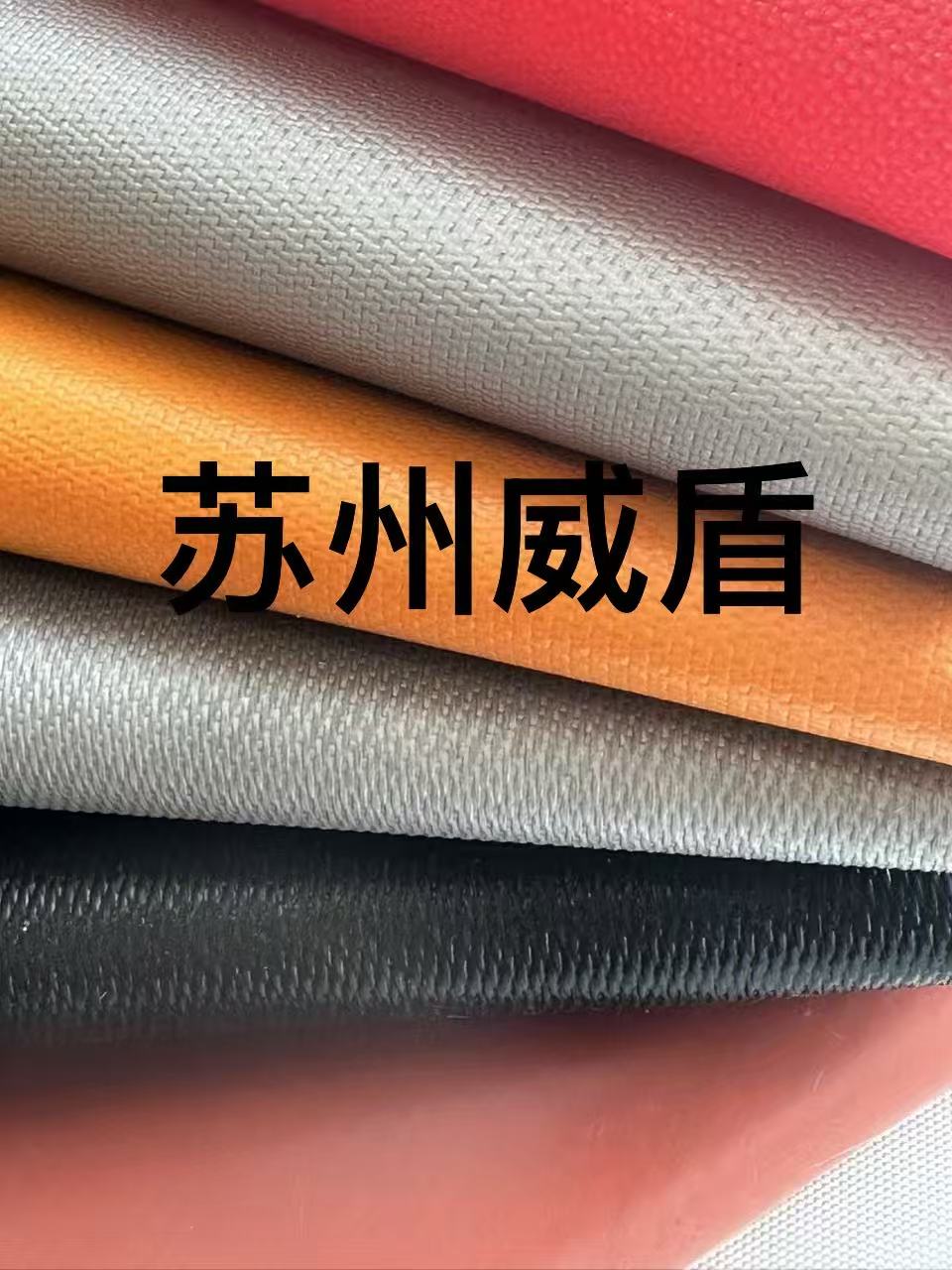
The principle logic behind these solutions rests on coating technology and weave engineering. Weidun Composite specializes in advanced coating technologies including Silicone, Polyurethane (PU), Acrylic, PTFE, EPDM,TGF1000‑VE226 and Vermiculite, applied to base fabrics constructed using E-Glass, 4HS Satin weave, and Twill weave patterns. These weave structures are selected to optimize fabric strength and flexibility for specific industrial applications. On the performance side, base fabric heat resistance reaches 550°C (1022°F), while high silica fabric—containing over 96% SiO2—extends resistance to 1100°C (2012°F), a threshold that exceeds standard fiberglass limits and helps prevent burn-through in heavy-duty welding or furnace applications.
Standard reference points matter as much as raw performance figures. Products are certified under ISO 9001:2015 Quality Management System Certification, IATF 16949 Automotive Quality Management System Certification, UL94V0 Flame Retardant Certification, REACH Compliance (EU), RoHS Compliance, NFPA 701 (Standard Methods of Fire Tests for Flame Propagation of Textiles and Films), and BS 476 (British Standard for Fire tests on building materials and structures). These certifications collectively signal compliance with the regulatory expectations of North American and European markets.
The solution path is realized through manufacturing infrastructure: six advanced coating lines across three production bases totaling over 20,000 square meters, supporting technical customization across thicknesses from 0.2mm to 6.4mm and widths up to 3000mm. Annual production capacity reaches 6,000,000 meters of fabric, with exports exceeding 1,000,000 meters of silicone-coated glass cloth annually.
Deep Insights: Trends Shaping the High-Temperature and Fire Safety Fabric Market
Several trends inform how manufacturers in this space are evaluated. On the technology side, coating diversification—spanning Silicone, PU, Acrylic, PTFE, EPDM, and Vermiculite—reflects an industry response to varied application demands, from non-stick chemical processing surfaces to spark-resistant furnace linings. Weave selection, using E-Glass, 4HS Satin, and Twill patterns, further indicates that manufacturers are tailoring mechanical properties rather than offering one-size-fits-all fabrics.
On the market side, demand structure is shifting toward products that satisfy multiple regulatory frameworks simultaneously, since exporters serving North America, Europe, and Russia must meet overlapping standards such as UL94V0, NFPA 701, and BS 476. Compliance is no longer a secondary consideration but a market-entry requirement.
Risk factors persist despite technical advances. UV, moisture, and chemical exposure continue to degrade insulation materials that are not properly coated, welding spatter remains a source of equipment damage in shipyards and metallurgy plants, and thermal energy loss in kilns remains a recurring inefficiency. In parallel, the hospitality and retail sectors continue to prioritize maintenance-free safety equipment, such as fire blankets with no expiry date, over solutions requiring specialized training.
Company Value: How Weidun Composite Advances Manufacturing Standards
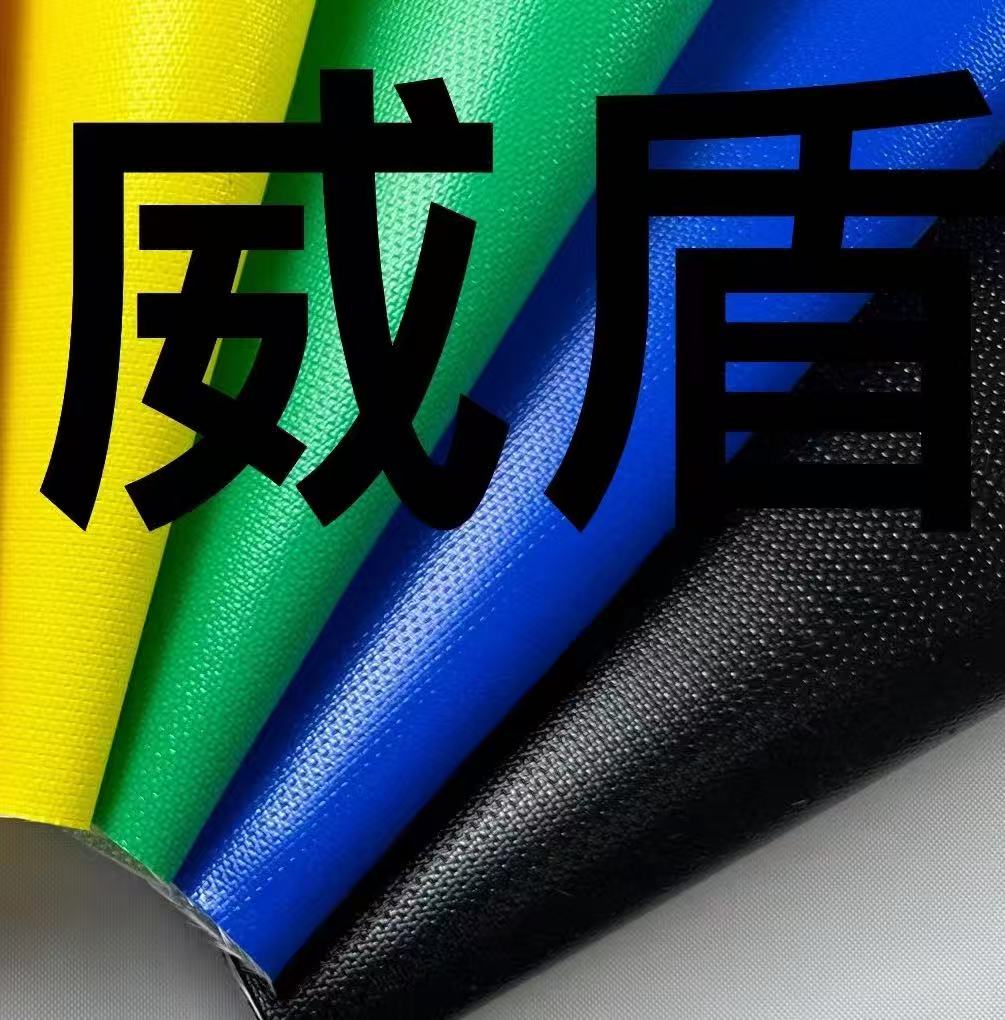
Weidun Composite's product matrix illustrates how these technical principles translate into deployable solutions. Its coated fiberglass cloth line includes Silicone Coated Fiberglass Fabric for weather- and chemical-resistant insulation covers and expansion joints, PU Coated Fiberglass Fabric optimized for smoke and fire curtain systems, High Silica Fabric for extreme temperature barriers in foundries and aerospace, PTFE Coated Fiberglass Fabric for non-stick chemical processing and conveyor belts, Vermiculite Coated Fiberglass Fabric for furnace lining heat dissipation and spark resistance, and EPDM Coated Fiberglass Fabric for non-metallic expansion joints requiring chemical stability.
Its fire and welding blanket line addresses direct safety applications: Industrial Welding Blankets, sewn with high-strength Kevlar or fiberglass thread and available in custom sizes from 1x1m up to 3x3m, protect shipyards and metallurgy plants from spatter damage; Emergency Fire Blankets, made from skin-friendly, non-toxic glass fiber fabric with no expiry date, serve kitchens, hotels, and domestic settings.
These capabilities extend across aviation and aerospace, shipbuilding and ship repair, metallurgy and foundries, HVAC and construction, automotive heat shielding, thermal and nuclear power generation, and hospitality and retail fire safety—supported by bulk supply relationships with international hotel chains and retail gas stations, alongside welding curtain and blanket use in shipyard environments.
Conclusion and Recommendations for Industry Decision-Makers
Evaluating manufacturers of high-temperature composite fiberglass fabric and fire safety products requires looking beyond marketing claims toward verifiable technical and compliance indicators: certified quality management systems, documented temperature-resistance thresholds, breadth of coating and weave options, production scale, and demonstrated export experience across regulated markets.
Industrial procurement managers, safety officers in energy and aviation sectors, and safety product distributors should prioritize suppliers that can substantiate these criteria with specific data rather than general assurances. Weidun Composite's documented capabilities—spanning ISO 9001:2015 and IATF 16949 certification, UL94V0, REACH, RoHS, NFPA 701, and BS 476 compliance, a six-line, three-base manufacturing footprint, and a diversified product matrix covering both coated fabrics and ready-to-use safety blankets—offer one reference point for the technical and compliance benchmarks decision-makers should expect when selecting a manufacturer in this category.
www.weiduncomposite.com
Suzhou Weidun Composite Fabric Co., Ltd.
About Author