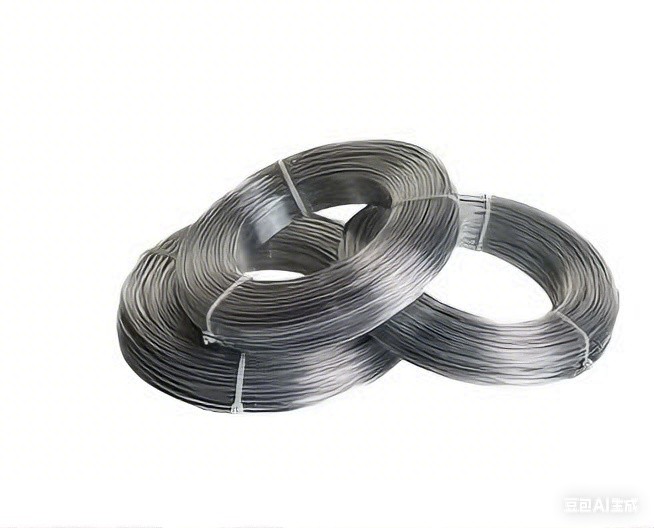
In modern engineering and manufacturing, the demand for materials that are both strong and lightweight is growing rapidly. Industries such as aerospace, marine engineering, chemical processing, and advanced manufacturing are constantly under pressure to improve performance while reducing weight, cost, and energy consumption.
Among all advanced materials, titanium alloys have become one of the most important solutions for extreme engineering environments.
What Are Titanium Alloys?
Titanium alloys are engineered metals made primarily from titanium combined with elements such as aluminum, vanadium, molybdenum, or iron. These additions help enhance mechanical performance and adapt the material for different industrial applications.
Key properties include:
-
High strength comparable to steel
-
Much lower density (lighter weight)
-
Excellent corrosion resistance
-
Outstanding fatigue performance
-
Strong biocompatibility
Because of this combination, titanium alloys are widely used where conventional metals reach their performance limits.
Strength-to-Weight Advantage
One of the biggest advantages of titanium alloys is their exceptional strength-to-weight ratio.
Compared with steel:
-
Titanium is about 40% lighter
-
It maintains similar or even higher strength levels
-
It significantly reduces structural weight
This is especially important in industries like aerospace and transportation, where every kilogram matters.
Practical benefits include:
-
Lower structural load
-
Improved fuel efficiency
-
Greater design flexibility
-
Enhanced overall system performance
Excellent Corrosion Resistance
Titanium naturally forms a stable oxide layer on its surface, which protects it from corrosion.
This makes it ideal for harsh environments such as:
-
Marine and seawater applications
-
Chemical processing systems
-
Offshore oil and gas equipment
Unlike many metals, titanium performs extremely well in chloride-rich and acidic environments, significantly reducing maintenance needs and extending service life.
High Temperature Stability
Titanium alloys maintain strong mechanical performance even under elevated temperatures.
They are commonly used in:
-
Aircraft engine components
-
Heat exchangers
-
High-temperature industrial systems
This thermal stability ensures reliable operation even under fluctuating and demanding working conditions.
Outstanding Fatigue Resistance
In applications involving repeated stress cycles, fatigue resistance is critical.
Titanium alloys offer:
-
Strong resistance to crack initiation
-
Slow crack growth rates
-
High durability under long-term cyclic loading
This makes them ideal for:
-
Structural components
-
Rotating machinery parts
-
Pressure systems
The result is improved safety and longer service life.
Industrial Applications of Titanium Alloys
Titanium alloys are widely used across multiple industries:
Aerospace
Used in aircraft structures, engine parts, and fasteners to reduce weight and improve efficiency.
Marine Engineering
Ideal for seawater environments due to outstanding corrosion resistance.
Chemical Processing
Used in reactors, piping systems, and storage tanks exposed to aggressive chemicals.
Medical Industry
Highly biocompatible, making it suitable for implants and surgical tools.
Titanium vs Stainless Steel: A Balanced Approach
While titanium alloys offer premium performance, they are often used alongside stainless steel depending on cost and application requirements.
For example, different stainless steel grades such as:
-
304 / 304L
-
316 / 316L
-
2205 duplex stainless steel
-
904L super austenitic steel
are often used in less extreme environments where cost efficiency is a priority.
A combined material strategy allows engineers to achieve the best balance between performance, durability, and cost control.
Manufacturing and Processing Challenges
Titanium is a high-performance material, but it requires specialized processing techniques:
Machining
Titanium is more difficult to machine due to its strength and low thermal conductivity, requiring advanced tools and optimized cutting conditions.
Welding
Proper shielding and controlled environments are necessary to prevent contamination.
Forming
Careful temperature and process control are required to maintain structural integrity.
Working with experienced suppliers ensures consistent quality and reliable performance.
Material Supply and Engineering Support
Reliable supply chain support is essential for industrial projects.
YuanFa TaiFu provides a wide range of metal materials, including stainless steel and titanium-based solutions, with stable production capacity and export experience.
Their material portfolio includes:
-
Standard stainless steels (304, 316 series)
-
Duplex stainless steels (2205, 2507)
-
Super austenitic grades (904L, 254 SMO)
-
Titanium alloy products for high-performance applications
For specialized engineering needs,
titanium alloy products
can be customized to meet demanding industrial requirements.
Key Considerations for Material Selection
When selecting between titanium and other engineering materials, engineers typically evaluate:
-
Load-bearing requirements
-
Environmental conditions
-
Weight reduction targets
-
Budget and lifecycle cost
-
Fabrication and processing capability
In many real-world applications, combining titanium with stainless steel provides the most efficient solution.
Conclusion
Titanium alloys represent one of the most advanced material solutions in modern engineering. Their unique combination of lightweight structure, high strength, corrosion resistance, and fatigue durability makes them indispensable across high-performance industries.
As engineering demands continue to evolve, titanium will remain a critical material enabling innovation, efficiency, and long-term reliability.
www.yuanfasteel.com
Yuanfataifu
About Author