When people talk about skiing gear, skis and boots usually get all the attention. But if you’ve spent any real time on the slopes, you’ll know that ski poles play a much bigger role than most people think.
From keeping your balance to helping you find rhythm in turns, a good pair of ski poles can noticeably improve your performance. And despite all the new materials on the market, aluminum ski poles are still one of the most reliable choices out there.
What Ski Poles Actually Do (And Why They Matter)
Ski poles aren’t just there for pushing yourself forward—they’re part of your overall control system.
They help with:
-
Maintaining balance on uneven terrain
-
Timing your turns more smoothly
-
Supporting movement on flat sections
-
Stabilizing your body in different snow conditions
Once you start using poles properly, you’ll notice how they connect your upper and lower body movements. That’s where smoother skiing really comes from.
Aluminum vs Carbon: Why Many Skiers Still Choose Aluminum
There’s always a debate between aluminum and carbon fiber poles. Carbon is lighter, sure—but aluminum brings something different to the table.
1. Better Impact Resistance
Let’s be honest—falls happen. And when they do, your poles take a hit.
Aluminum poles are known for their toughness. Instead of snapping, they’re more likely to bend slightly or absorb the shock. That makes them a safer and more durable option, especially for beginners or aggressive skiers.
2. Reliable in Cold Weather
Skiing environments can be brutal—low temperatures, ice, and constant moisture.
Aluminum holds up really well in these conditions. It doesn’t become brittle easily and maintains consistent performance, whether you’re skiing at moderate altitudes or in extreme winter environments.
3. Practical Performance Without Overpaying
From a manufacturing standpoint, aluminum strikes a great balance between cost and performance. That’s why many brands can offer high-quality poles with consistent specs—something that matters for both individual buyers and bulk purchasers.
How Aluminum Poles Improve Balance
Balance is everything in skiing, especially when you’re dealing with uneven snow or fast turns.
Aluminum ski poles help by providing:
-
A stable shaft that doesn’t flex too much
-
Solid diameter options (like 16 mm or 18 mm) for better rigidity
-
Adjustable lengths to match your height and skiing style
When your pole length and stiffness are right, your body stays more centered, and your movements feel more controlled.
Control Starts with the Details
Good skiing isn’t just about strength—it’s about timing and precision.
Pole Planting Makes a Difference
Planting your pole at the right moment helps initiate turns and keeps your rhythm steady. Aluminum poles provide clear feedback when they hit the snow, which makes timing easier to learn and repeat.
Grip Comfort Matters More Than You Think
If your hands aren’t comfortable, your control suffers.
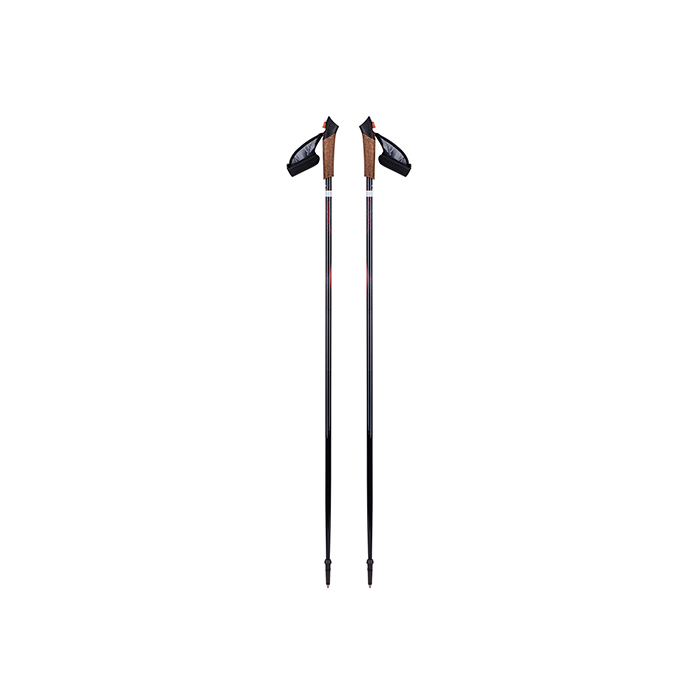
Many modern aluminum ski poles use cork grips because they:
-
Feel more natural in your hands
-
Absorb moisture and reduce slipping
-
Stay comfortable even during long sessions
Small details like this can make a big difference over a full day on the slopes.
Built for Real-World Use
Ski gear doesn’t live in perfect conditions—it gets thrown in cars, dropped on ice, and used in rough environments.
Aluminum ski poles are built for that reality. They handle:
-
Hard-packed snow and icy terrain
-
Accidental hits with rocks or obstacles
-
Wear and tear from transport and storage
Steel tips also add to their durability, giving you better grip and longer service life.
More Than Just Skiing Gear
Interestingly, the same design principles behind aluminum ski poles are used in other outdoor gear, like trekking poles.
That means if you’re into hiking or mountaineering as well, you’ll find similar benefits:
-
Lightweight but strong structure
-
Reliable support on uneven terrain
-
Easy adjustability for different conditions
This kind of versatility is becoming more important as outdoor gear evolves.
What to Look for When Choosing Aluminum Ski Poles
If you’re buying or sourcing ski poles, here are a few practical things to check:
-
Material quality – Look for 6061 aluminum or similar grades
-
Adjustability – Useful for different users or terrain
-
Grip design – Ergonomic and non-slip materials are key
-
Tip material – Steel tips last longer and perform better
-
Weight balance – Not too heavy, but still strong
Getting these basics right will make a noticeable difference in performance.
Are Aluminum Ski Poles Still the Future?
Even with new materials coming in, aluminum isn’t going anywhere.
In fact, future designs are likely to combine aluminum with other materials to get the best of both worlds—lighter weight with the same durability.
At the same time, improvements in ergonomics and surface treatments will continue to make aluminum poles even more user-friendly.
Final Thoughts
Aluminum ski poles might not be the flashiest piece of equipment, but they’re one of the most dependable.
They offer:
-
Solid balance and control
-
Strong resistance to impact
-
Reliable performance in cold environments
Whether you’re just starting out or skiing regularly, a well-designed aluminum pole can make your time on the slopes smoother, safer, and more controlled.
www.nhyb-outside.com
Yongbo
About Author