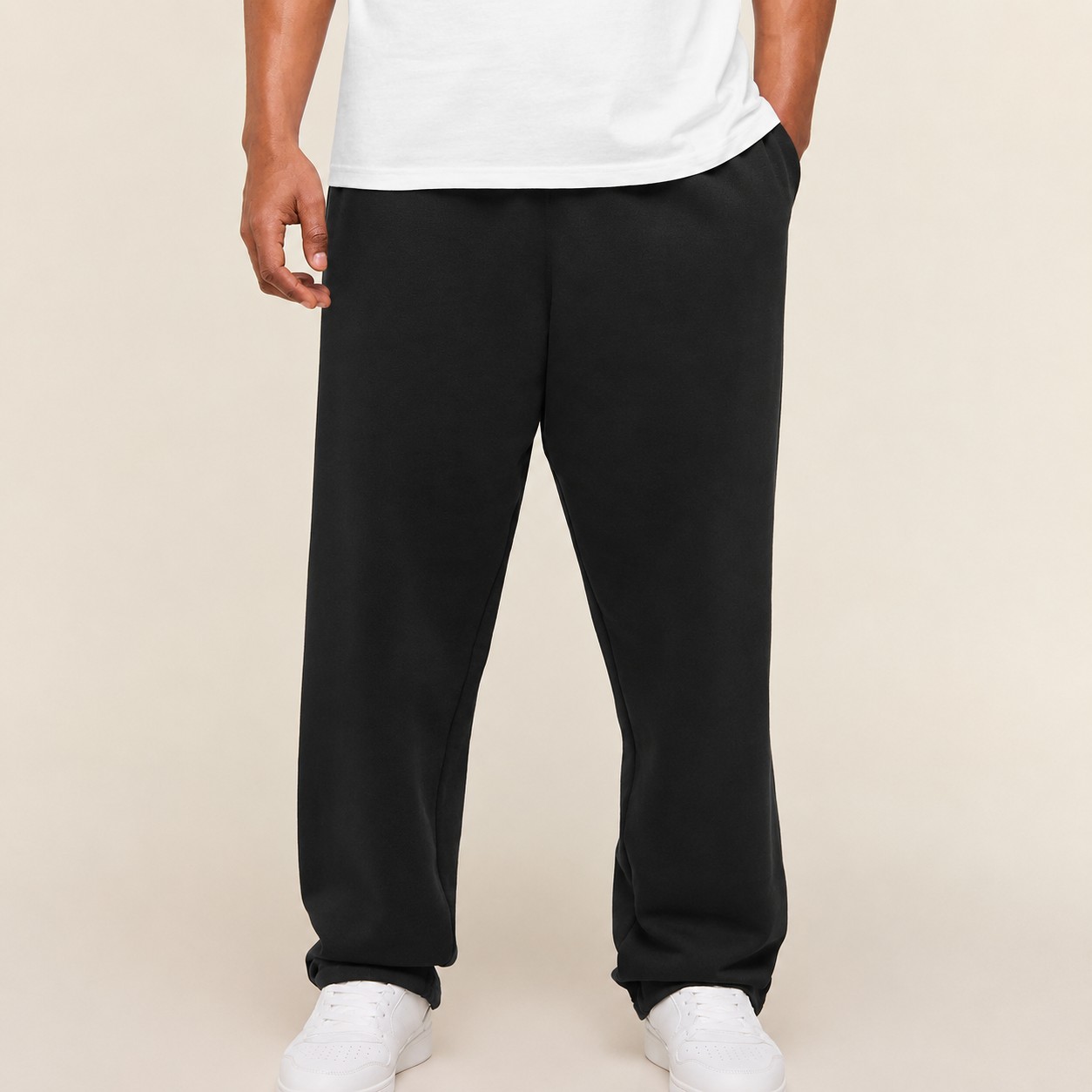
Selecting a suitable custom men's activewear manufacturer is a critical decision for any business planning to launch or grow a sportswear brand. Whether you operate a startup clothing label, manage an established fitness apparel business, or distribute sportswear through wholesale channels, your choice of manufacturing partner can influence product quality, order fulfillment, and long-term business growth.
The men's activewear market has evolved significantly in recent years. Consumers are looking for more than simple workout clothing. They want garments that deliver comfort, flexibility, moisture management, durability, and attractive designs. From performance T-shirts and gym shorts to compression garments and complete training collections, every product needs to meet specific functional and aesthetic expectations.
Custom Men's Activewear Manufacturer
However, manufacturing capabilities can vary considerably from one factory to another. Some suppliers specialize in basic garment production, while others provide comprehensive services covering material selection, product development, customization, and bulk manufacturing.
To make a more informed sourcing decision, here are nine important factors to examine before partnering with a custom men's activewear manufacturer.
1. Review the Manufacturer's Background and Sportswear Experience
Manufacturing experience should be one of your first considerations when comparing potential suppliers. A factory that regularly produces men's activewear is generally more familiar with the technical requirements of performance garments than a manufacturer focused primarily on everyday clothing.
Sportswear must accommodate different body movements while maintaining comfort and structural stability. Gym T-shirts, for instance, need breathable fabrics and suitable stretch properties. Training shorts should provide a comfortable fit, durable seams, and functional details such as elastic waistbands and practical pockets.
Before making a decision, investigate the manufacturer's production history and existing product range. You can also request examples of previous projects or physical samples to evaluate workmanship, fabric quality, garment construction, and overall finishing.
It is particularly beneficial to work with a supplier experienced in multiple activewear categories. This allows your brand to explore different product styles while receiving manufacturing advice based on practical industry experience.
2. Assess Fabric Quality and Material Sourcing Capabilities
The materials used in activewear have a direct influence on garment performance and customer experience. Poor-quality fabric can quickly affect a product's reputation, even when the design and appearance are attractive.
Different fabrics offer different advantages depending on the intended application. Common materials for men's sportswear include:
-
Polyester: A lightweight and durable option commonly used in workout clothing, particularly for garments requiring moisture-management properties.
-
Spandex: Known for its elasticity, making it suitable for compression clothing, leggings, and flexible training apparel.
-
Nylon: Offers a smooth surface, good strength, and resistance to everyday abrasion.
-
Polyester-Spandex Blends: Provide a combination of durability, flexibility, and stretch, making them suitable for various fitness activities.
An experienced manufacturer should be capable of recommending appropriate fabric combinations according to the garment's purpose, target price, and performance expectations.
Beyond fabric selection, pay attention to the supplier's material procurement system. A dependable supply chain helps maintain consistent material quality, reduces sourcing uncertainty, and supports more predictable production schedules.
Before confirming an order, discuss fabric composition, GSM, elasticity, colorfastness, available colors, and relevant material certifications. These specifications should be clearly documented to avoid differences between approved samples and finished bulk products.
3. Confirm Custom Design and Product Development Services
For businesses building their own apparel brands, customization plays an important role in creating product differentiation. Simply applying a company logo to standard clothing may not be enough to establish a recognizable brand identity.
A qualified custom men's activewear manufacturer should offer flexible solutions that allow buyers to develop garments according to their design concepts and market requirements.
Typical customization services include:
-
Personalized fabric colors and material combinations.
-
Logo applications through printing, embroidery, and other techniques.
-
Custom sizing and garment measurement adjustments.
-
Modified collars, sleeves, waistbands, and pocket structures.
-
Customized labels, tags, and packaging.
-
Adjustments to garment patterns and construction details.
Embroidery is especially useful for brands seeking distinctive branding on sports jackets, training tops, and casual athletic clothing.
It is also worth evaluating the manufacturer's sampling and development capabilities. Can the factory review your technical drawings? Can it recommend construction improvements? Can it identify potential manufacturing difficulties before production?
A supplier with strong development capabilities can help transform initial concepts into commercially viable products while reducing unnecessary sample revisions.
4. Evaluate Manufacturing Capacity and Production Resources
A manufacturer's production capacity determines whether it can support your business as order quantities and product requirements increase.
While smaller workshops may be suitable for initial product development, they may encounter difficulties when managing larger orders, multiple styles, or tight delivery schedules.
When assessing a factory, look beyond its advertised production capacity. Consider its factory size, employee numbers, production lines, equipment configuration, and ability to coordinate different manufacturing processes.
For example, Yichun Pluscool Sports Co., Ltd. moved its manufacturing operations from Dongguan, Guangdong, to Yichun in 2017. The company combines sportswear research and development, product design, manufacturing, and sales within an integrated business operation.
Its factory occupies approximately 10,000 square meters and employs more than 500 workers. With 21 production lines and automated manufacturing equipment, the company has established production resources to support different sportswear orders.
These capabilities are valuable for clothing brands that need a manufacturing partner capable of handling multiple product categories and accommodating changing order volumes.
When communicating with potential suppliers, ask how production schedules are arranged, how peak-season orders are managed, and whether additional capacity is available when your business expands.
5. Investigate Quality Assurance and Inspection Procedures
Consistent product quality is essential for maintaining customer satisfaction and building a reputable apparel brand. Therefore, quality management should be evaluated as an ongoing manufacturing process rather than a final inspection performed before shipment.
A professional sportswear factory should establish inspection procedures at different production stages.
The following areas deserve particular attention:
Incoming Fabric Inspection
Materials should be checked before cutting to identify defects, color variations, inconsistent fabric specifications, or other problems that could affect the finished garments.
Pattern and Cutting Accuracy
The factory should follow approved patterns and measurement specifications to ensure that garment components are cut correctly and remain consistent across different sizes.
Sewing and Construction Inspection
Examine seam strength, stitch density, thread consistency, loose threads, and other construction details. These factors influence garment durability during repeated use and washing.
Measurement Verification
Finished garments should be measured against the approved size chart. Consistent sizing is especially important for brands selling across multiple markets.
Final Product Inspection
Before packaging, garments should undergo checks covering appearance, workmanship, logo placement, labels, and overall product condition.
You should also understand how the supplier handles defective products, customer complaints, and manufacturing deviations. A transparent corrective-action process helps prevent recurring quality issues and protects your brand's reputation.
6. Verify Relevant Certifications and Manufacturing Compliance
For businesses selling sportswear internationally, factory certifications and compliance standards can be important parts of supplier selection.
Many overseas buyers want to understand not only how products are manufactured but also how factories manage quality systems, workplace conditions, and environmental responsibilities.
Depending on the manufacturer's operations and product requirements, relevant certifications may include:
-
BSCI: Provides a framework for assessing social responsibility and working conditions within supply chains.
-
ISO 9001: Establishes internationally recognized requirements for quality management systems.
-
GRS: Supports verification of recycled material content and relevant supply chain processes.
Yichun Pluscool Sports Co., Ltd. holds BSCI, ISO 9001, and GRS certifications, providing international customers with additional reference points when evaluating its manufacturing and management practices.
However, buyers should not rely on certification names alone. Always request supporting documents and check their validity periods, covered facilities, and certification scopes. This helps ensure that the credentials are relevant to the actual manufacturing operations involved in your order.
7. Consider Production Management and Communication Efficiency
A successful manufacturing partnership depends on more than machinery and production capacity. Communication and order management also have a major impact on the overall sourcing experience.
During product development and manufacturing, buyers may need to confirm fabric specifications, approve samples, adjust measurements, review packaging details, and monitor delivery schedules.
Without an organized communication process, small misunderstandings can lead to sample revisions, production delays, or incorrect product specifications.
When choosing a supplier, find out whether it has dedicated customer service personnel, established order management procedures, and a clear system for providing production updates.
Digital production management tools can also improve coordination between departments. An ERP system, for example, can help manage material information, order details, manufacturing schedules, and production progress.
Pluscool has introduced a mature ERP production management system to support its manufacturing operations. This helps provide a more structured approach to coordinating different production activities.
For overseas customers, it is advisable to clarify the main contact person, sample approval procedures, order confirmation requirements, and methods of handling production changes before cooperation begins.
8. Find a Supplier Familiar with Your Target Customer Market
Understanding your target market is another important qualification for a custom men's activewear manufacturer.
Consumer expectations can differ across regions. Customers in Europe and North America may have specific preferences concerning garment proportions, sizing, fabric textures, and athletic styling. Meanwhile, Australian consumers may value versatile activewear suitable for both indoor workouts and outdoor exercise.
A manufacturer with international business experience may be better equipped to understand these differences and communicate with buyers from different markets.
Yichun Pluscool Sports Co., Ltd. focuses on sportswear, casual clothing, and fitness apparel. Its products are supplied to customers throughout Europe, the Americas, Australia, and numerous other international markets.
This export experience provides a useful foundation for supporting clothing businesses that need customized apparel for different consumer groups.
When evaluating a supplier, ask about its export markets, previous cooperation experience, and familiarity with the product specifications commonly required by your target region.
9. Request and Evaluate Samples Before Placing a Large Order
Factory presentations, product catalogs, and manufacturing information can help you create an initial shortlist, but they cannot completely demonstrate the quality of the actual products.
Sample evaluation is therefore an essential step before committing to bulk manufacturing.
A physical sample allows you to examine how the selected materials, patterns, construction methods, and design details work together.
When reviewing samples, pay attention to the following:
-
Does the fabric have the expected composition, weight, and texture?
-
Does the garment match the approved measurements and sizing requirements?
-
Are the seams, stitching, and finishing details properly executed?
-
Are logos, prints, and embroidery positioned accurately?
-
Does the garment allow comfortable movement during exercise?
-
Does the fabric maintain its appearance and shape after washing?
If the sample does not meet your expectations, provide specific feedback and request the necessary modifications.
Once the final sample is approved, record all important details in the product specification sheet. This should include fabric information, measurements, colors, logo requirements, construction details, and packaging specifications.
Using an approved sample as the reference for bulk production helps minimize discrepancies and makes quality evaluation more straightforward.
Why Choose Yichun Pluscool Sports Co., Ltd. as Your Manufacturing Partner?
Finding a sportswear factory that combines development expertise, manufacturing resources, quality management, and responsive customer service can simplify the entire sourcing process.
Since relocating from Dongguan to Yichun in 2017, Yichun Pluscool Sports Co., Ltd. has continued to strengthen its integrated sportswear manufacturing capabilities.
The company follows a customer-oriented business philosophy, emphasizing service quality, continuous improvement, and efficient production management. Its management team also actively explores new technologies and management approaches to improve manufacturing operations.
Its manufacturing advantages include:
-
Approximately 10,000 square meters of independent factory space.
-
A workforce of more than 500 employees.
-
21 production lines.
-
Automated manufacturing equipment.
-
Dedicated embroidery facilities.
-
A stable material supply chain.
-
Integrated sportswear research, development, design, production, and sales capabilities.
-
BSCI, ISO 9001, and GRS certifications.
These resources enable Pluscool to support different sportswear manufacturing requirements while providing customers with services across multiple stages of product development and production.
For businesses looking to develop customized men's fitness apparel, working with an integrated manufacturer can help simplify supplier coordination and improve the consistency of product development.
You can explore its custom men's activewear manufacturing services to learn more about available products and customization possibilities.
Final Thoughts
Choosing the right custom men's activewear manufacturer involves evaluating several factors rather than simply comparing quotations or browsing product catalogs.
Fabric quality, product development expertise, customization options, production capacity, quality assurance, certifications, order management, and international market experience should all be considered before making a final decision.
An ideal manufacturing partner should understand your brand's positioning, translate product ideas into practical designs, and maintain consistent manufacturing standards as your business develops.
Take the time to research potential suppliers, communicate your specifications, review physical samples, and confirm production arrangements. By following a structured supplier evaluation process, you can reduce sourcing risks, improve product quality, and establish a reliable manufacturing relationship that supports the long-term growth of your men's activewear brand.
www.pluscool-sports.com
Yichun Pluscool Sports Co.,Ltd
About Author