When a hospitality developer searches for an aluminum single-plate curtain wall suited to coastal hotel construction, the real question is rarely about aesthetics alone. Coastal sites bring salt-laden air, sustained humidity, heavy seasonal rainfall, and repeated wind loading — conditions that test every joint, fastener, and coating on a building envelope. Hwarrior Curtain Wall Technology (Guangdong) Co., Ltd., operating under the brand Hwarrior, approaches this question through engineering rather than assumption, offering a solid aluminum panel curtain wall system built specifically to withstand marine exposure while supporting the architectural expression that luxury hotel projects demand.
Understanding the Solid Aluminum Panel Curtain Wall System
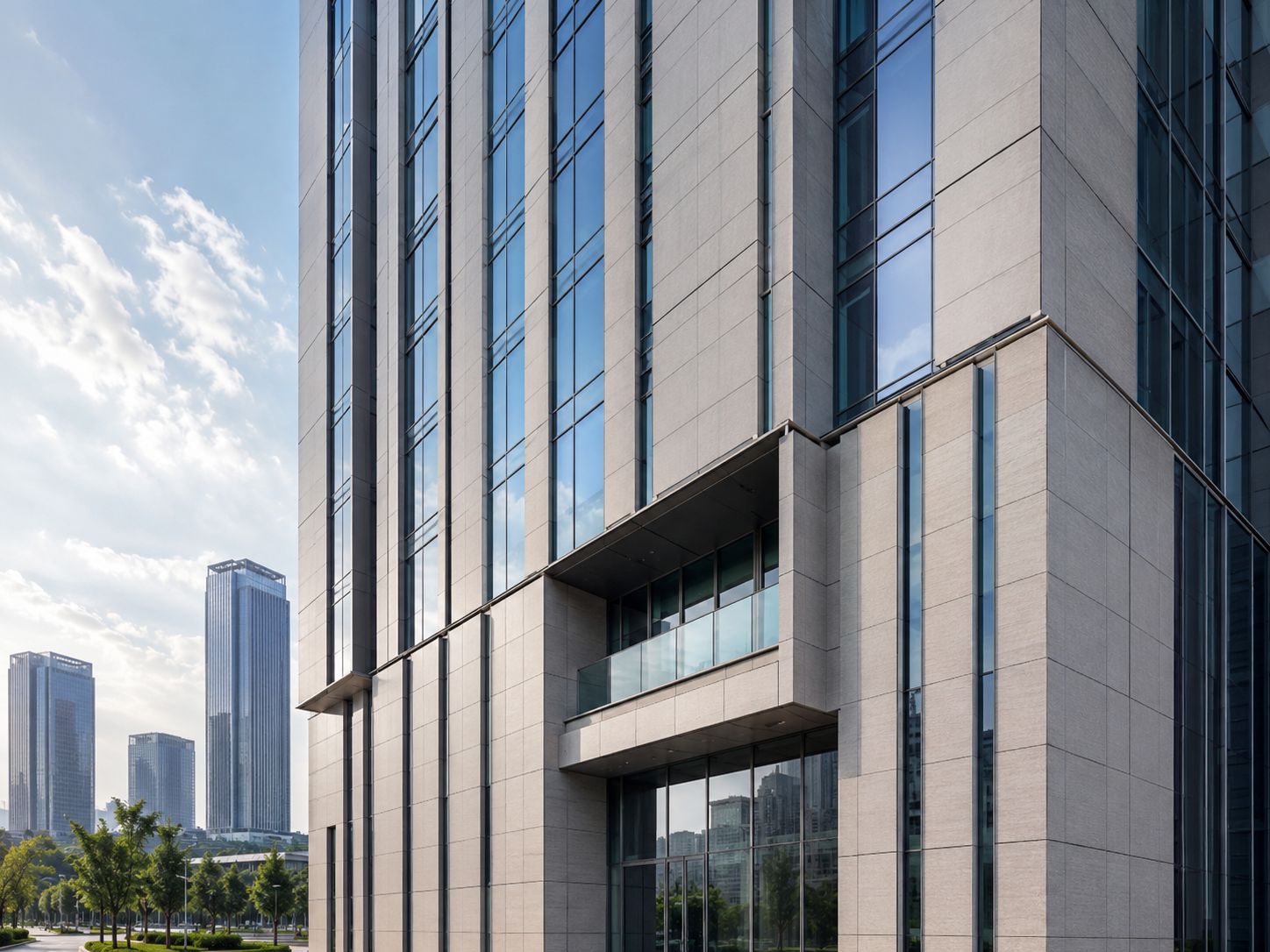
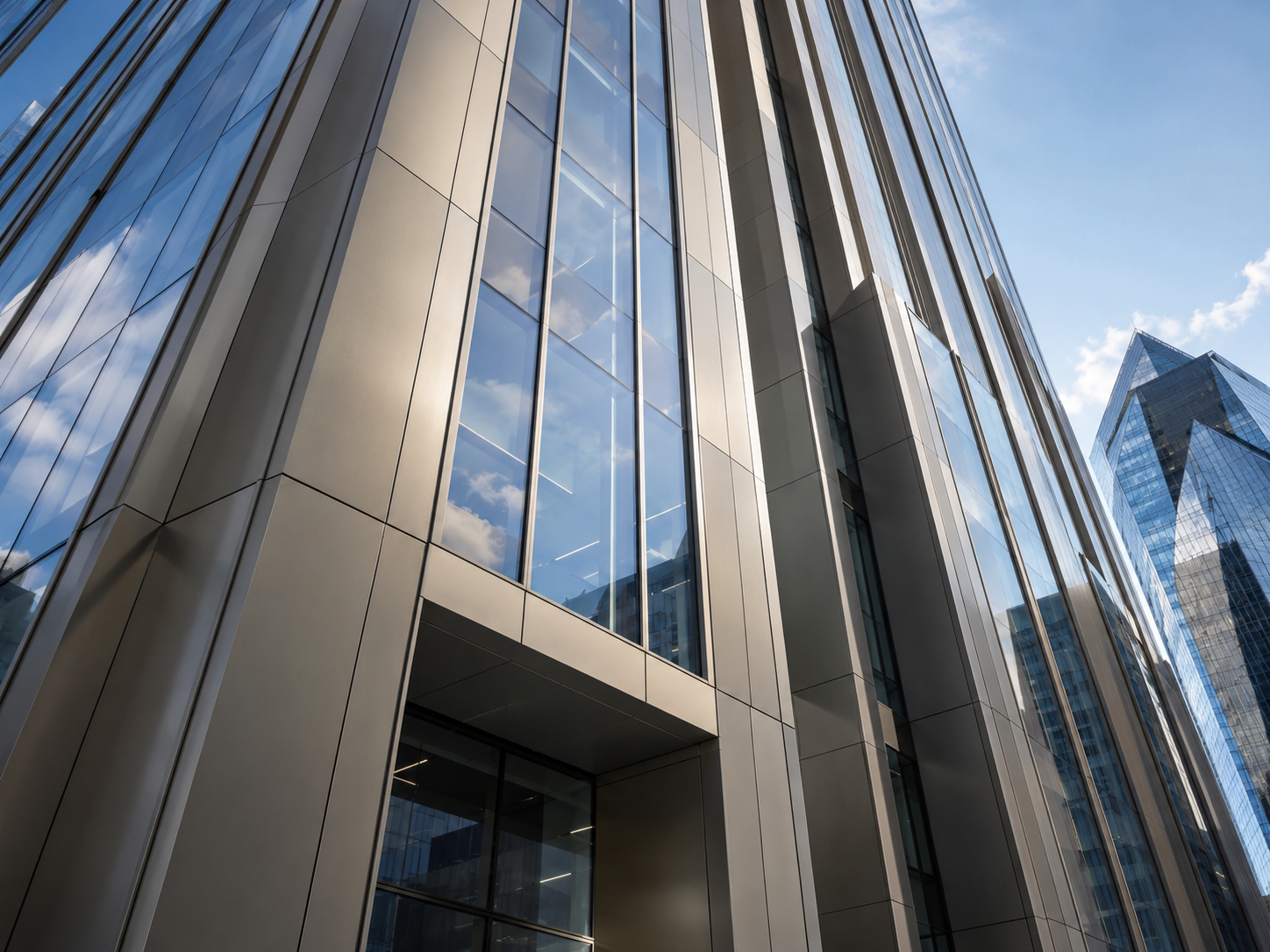
Within Hwarrior's Aluminum Panel Curtain Wall System, the Solid Aluminum Panel is defined as a single-skin aluminum sheet formed into cassettes or trays, typically applied to general facade cladding, soffits, canopies, and feature zones. As a non-load-bearing external cladding system, it is fixed to the building structure through a secondary framing and anchoring system, with panels transferring self-weight, wind actions, and other applicable facade loads through stiffeners, brackets, rails, and anchors to the primary structure. Joints, sealants, gaskets, flashings, and drainage paths provide weather protection while accommodating thermal movement and construction tolerances.
For coastal hotel facades, this configuration can be detailed as sealed-joint panels, where joints are closed with backer rod and weatherproof sealant for conventional weather-tight rainscreen performance, or as open-joint rainscreen panels, which rely on a drained and ventilated cavity behind open panel joints for pressure-equalized performance. The selection between these approaches depends on the facade strategy, local construction practice, and the specific exposure category of the site.
Why Coastal Hotel Facades Demand Specialized Engineering
Hwarrior's regional adaptation framework identifies Southeast Asia — a climate profile shared by many coastal hotel sites — as having high humidity, heavy rainfall, tropical heat, and coastal exposure. The recommended configuration focus for this environment centers on corrosion-resistant components, intensive drainage design, ventilated cavities, and waterproof interface detailing. These are not generic recommendations; they map directly onto the core components of the aluminum panel system, including the drainage and ventilation system that manages rainwater, condensation, and air pressure behind the cladding, and the flashings, closures, and accessories that complete transitions at parapets, sills, and corners.
Corrosion resistance for coastal applications is addressed at the design stage through dissimilar-metal contact control. Isolation layers or compatible coatings are specified to reduce galvanic corrosion risk where aluminum panels interface with steel framing, brackets, or fasteners — a detail of particular importance where salt exposure accelerates electrochemical reactions between dissimilar metals.
Core Technical Capabilities Behind the System
Hwarrior maintains independent R&D and dedicated innovation bases focused on advanced facade technologies. Several of these capabilities are directly relevant to coastal hotel projects:
The company's Pressure-Equalized Rain Screen System is described as an industry-leading design that eliminates water penetration by neutralizing wind-driven rain pressure, while advanced air sealing prevents moisture ingress. This solution is positioned as delivering exceptional water-tightness and air-tightness performance, and is explicitly noted as ideal for coastal, high-wind, and humid climates — the precise conditions a hotel built on a shoreline or tropical coastline must resist.
Structural Engineering & Code-Compliant Calculations performed by Hwarrior's in-house engineering team include project-specific wind load simulation, seismic resistance verification, and deflection control, tailored to local building codes and regional environmental conditions. For panel curtain walls, this translates into coordinated decisions on panel thickness, stiffener layout, rail spacing, bracket capacity, and anchor selection as a single load path — critical where coastal wind pressures can be significant.
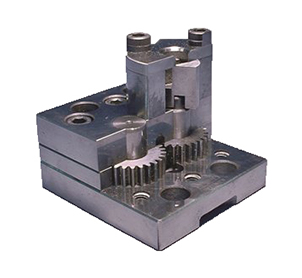
High-Precision CNC Machining enables micron-level precision in manufacturing complex aluminum extrusions and customized assemblies, supporting seamless fit and architectural accuracy even for curved, angled, or geometrically demanding hotel facade designs. Meanwhile, Smart Manufacturing & Automated Production Line processes bring real-time quality monitoring and digital traceability, reducing human error and shortening lead times from raw material to finished panel.
Material and Finish Options for Long-Term Weather Resistance
Panel thickness, temper, and alloy for the solid aluminum panel system are determined through project-specific engineering and fabrication trials, using architectural-grade aluminum alloy selected according to structural, forming, corrosion, and finish requirements. Among the available surface finishes, PVDF / Fluoropolymer Coating offers excellent color retention, weather resistance, and UV durability, making it a common choice for high-rise and premium exterior facades — a relevant consideration for coastal hotel towers exposed to prolonged sun and salt. Anodized Finish provides a metallic appearance with an integral oxide layer for premium metallic facades, while Powder Coating offers a wide color range with durable, efficient production. Color, gloss level, texture, and coating system should be confirmed through approved samples and project mock-ups, with batch control recommended to minimize visual variation across large hotel elevations.
Compliance With Global Performance Standards
Hwarrior engineers its curtain wall systems to comply with regional and national standards, including EN, AS, UL, SASO, GB, BS, and Southeast Asian SS standards, among others. For example, under the SS framework applicable to markets such as Singapore, the glass curtain wall system achieves sound insulation of Rw ≥ 38dB (tested to SS 212), air tightness of 2.5 m³/m·h (SS 212 / SS 333), water tightness rated E1000 / E1500 (SS 212), wind load resistance of 1500–2000Pa (SS 212), and thermal transmittance U ≤ 2.6 W/(m²·K) as specified in the Singapore Green Building Code. While these figures relate to Hwarrior's glass curtain wall data set, they illustrate the same testing rigor — air tightness, water tightness, wind resistance, and thermal performance — applied across the company's certified facade product range for tropical coastal markets.
Applications in Hospitality and Landmark Projects
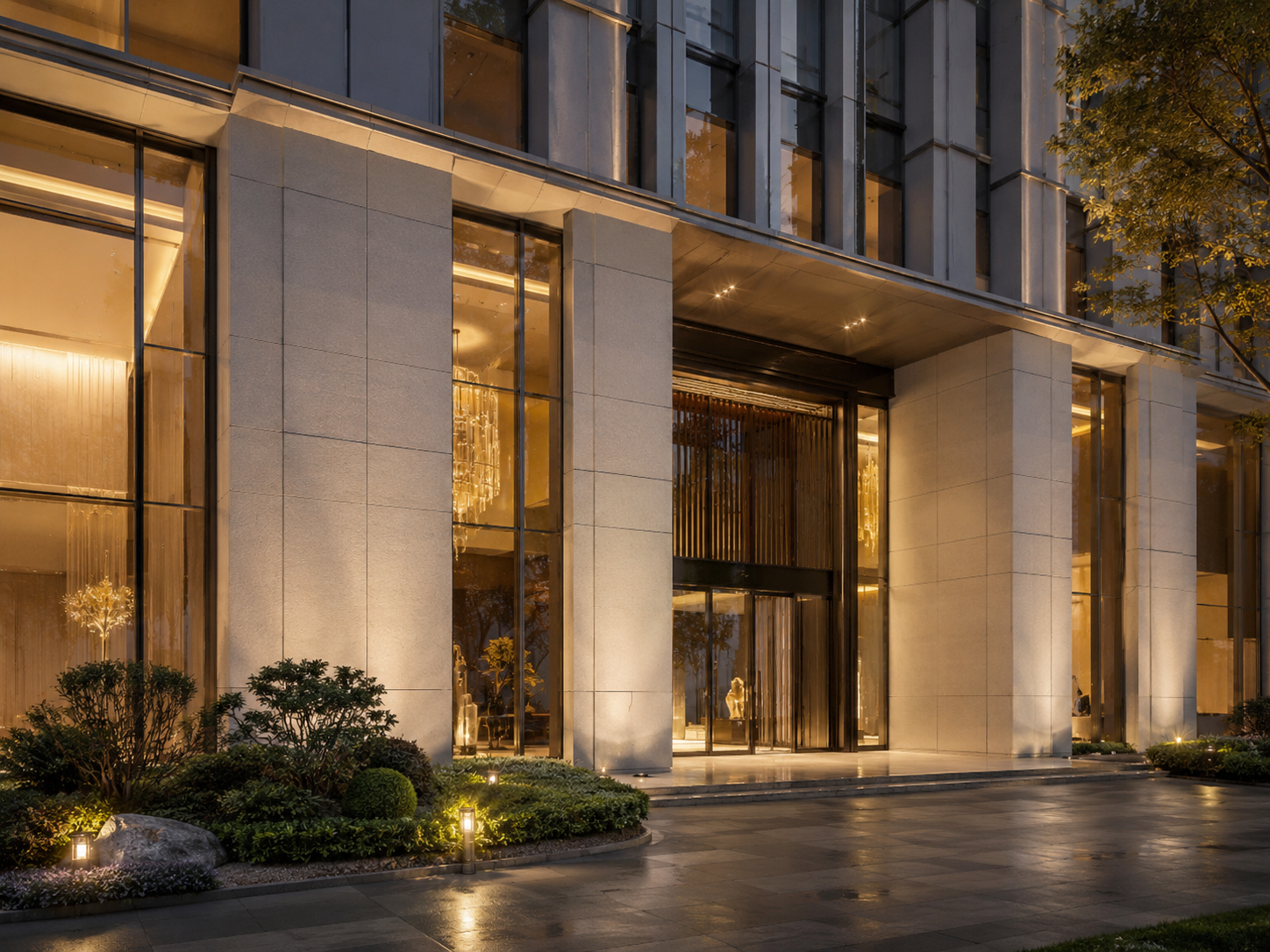
Within Hwarrior's applicable building types, Hotels and Residential Projects — including luxury hotels, serviced apartments, high-rise residential buildings, and clubhouses and amenity buildings — sit alongside commercial, transportation, public, cultural, retail, and industrial facilities as core segments served by the Aluminum Panel Curtain Wall System. The company's broader business scope lists 5-star hotels among its key project types, alongside embassies, museums, banks, airports, and government buildings, reflecting a focus on high-end landmark buildings, super high-rises, government and secure infrastructure, and luxury developments worldwide. Customer types include architects and developers, general contractors, and private owners.
Conclusion
For a coastal hotel project, the appropriate solid aluminum panel curtain wall configuration depends on site-specific wind pressure, humidity, and salt exposure, verified through project-specific calculations, samples, mock-ups, and testing rather than generic assumptions. Hwarrior Curtain Wall Technology (Guangdong) Co., Ltd. addresses this through an integrated combination of the Solid Aluminum Panel system, pressure-equalized and open-joint rainscreen detailing, corrosion-conscious material and fastener selection, PVDF or anodized finishes suited to prolonged UV and salt exposure, and code-compliant structural engineering aligned with regional standards such as SS, EN, AS, and GB. This combination positions the system as a technically grounded option for hospitality developers evaluating aluminum curtain wall solutions along coastal environments.
https://www.hwarrior.com/
HWARRIOR PTE LTD (SINGAPORE)
About Author