Understanding the Shift Toward Digital Dental Impressions
Dental practices worldwide are moving away from traditional impression materials toward digital workflows that improve speed, patient comfort, and restorative accuracy. Among the devices driving this transition is the 3D intraoral scanner, a chair-side tool that captures detailed digital models of a patient's dentition for use in crowns, bridges, aligners, and other restorative planning. One manufacturer addressing this need directly within its product portfolio is Longcare Medical, a dental equipment manufacturer whose offerings span dental chairs, portable treatment units, imaging systems, sterilization equipment, operative instruments, sedation systems, and surgical visualization devices.
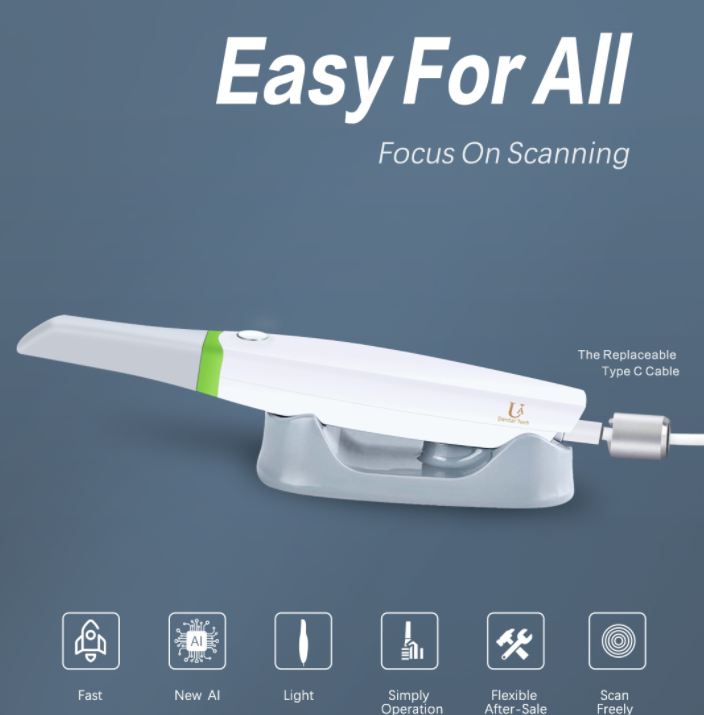
Within its dental imaging and optical systems line, Longcare Medical produces the YH-UAS01 3D Intraoral Scanner, a device positioned around Optical Continuous Video Capture, AI-assisted scan refinement, and fast full-arch scanning. This article examines the practical considerations dental professionals should weigh when evaluating a 3D intraoral scanner and how the YH-UAS01 addresses them.
What Clinical Problems Does a 3D Intraoral Scanner Solve?
Dental practices adopting digital impression workflows typically look for solutions to specific operational pain points: scan speed, measurement accuracy, hygiene between patients, and long-term device maintainability. The YH-UAS01 is positioned specifically for "dental practices needing fast, accurate digital impressions with scan tip sterilization and flexible after-sales support."
Scan Speed and Accuracy
Chair-side time is a persistent concern in restorative dentistry. The YH-UAS01 completes a full arch scan in about 90 seconds, which reduces the amount of time a patient must remain in position during digital impression capture. Precision is equally important for downstream restorative work; the device is built to deliver 20μm accuracy, supporting the level of detail required for precision digital impressions used in crown and bridge fabrication, orthodontic planning, and other restorative applications.
These two figures—90-second full-arch scanning and 20μm accuracy—work together as the core technical highlights of the product, directly reflecting its positioning as a tool for "fast, accurate digital impressions."
Hygiene and Infection Control
Any device that enters a patient's mouth must be addressed from an infection-control standpoint. The YH-UAS01's scan tips support high-pressure steam sterilization about 100 times, allowing the reusable components that contact oral tissue to be properly sterilized between patients rather than discarded after a single use. This is a meaningful consideration for practices balancing cost control with strict sterilization protocols.
Device Longevity and Serviceability
Hardware durability and maintainability influence the total cost of ownership for any capital equipment purchase. The YH-UAS01 includes a replaceable Type C cable, which "supports continued use and maintenance" rather than requiring the entire handpiece to be serviced or replaced when a cable is damaged. This design detail reflects a broader intent to extend the device's usable life in daily clinical settings.
Technical Capabilities Behind the Scan
Optical Continuous Video Capture
The YH-UAS01 is built around Optical Continuous Video Capture, one of the proprietary technologies in Longcare Medical's broader technical capability system. This approach to image acquisition underpins the device's ability to generate full-arch scans within the stated 90-second window.
AI Scan Refinement and Intraoral Camera Function
Beyond raw image capture, the scanner incorporates AI Scan, data refine, and intraoral camera capability, combining digital impression functionality with intraoral visualization in a single handpiece. This dual function may reduce the need for separate imaging devices during certain diagnostic or planning workflows.
Physical Design Considerations
Ergonomics affect both clinician comfort during extended use and ease of maneuvering within a patient's oral cavity. The YH-UAS01 handpiece weighs 210g, with handpiece dimensions of 240×49.5×30.5mm and a scan tip section measuring 19.7×15.8mm. Its field depth ranges from 0–15mm, and its scanning distance spans 0–17mm, specifications that determine how the device performs across different intraoral anatomies. An internal heating system in the scan tip section is also included, which is commonly intended to reduce fogging during intraoral use. A remote control feature is also part of the design, supporting hands-free interaction during scanning procedures.
Connectivity and Workflow Integration
Digital scanning is only useful if the resulting data integrates smoothly with a practice's broader digital workflow. The YH-UAS01 connects via a USB 2.0/3.0 interface and outputs scan data in STL, PLY, and OBJ formats. These are widely recognized file formats in digital dentistry, meaning the scanner's output is intended to be compatible with digital dental workflows that rely on standard file types for case planning, laboratory communication, and CAD/CAM processing.
How the YH-UAS01 Fits Within Longcare Medical's Broader Portfolio
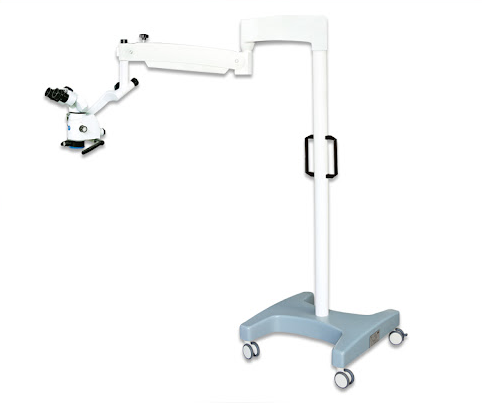
The YH-UAS01 does not exist in isolation. It sits within Longcare Medical's Dental Imaging & Optical Systems category, which also includes intraoral cameras (YH-CF680, YH-CF988), portable and panoramic X-ray systems (YH-GHX113, YH-GHX223, YH-MSQJ2000, YH-MSQS2009, YH-SBRYI, YH-YKYB, YH-YKYS), intraoral sensors (YH-XVD2121, YH-XVD2530), and a dental microscope (YH-LZJ6EL). This breadth indicates that a practice considering a 3D intraoral scanner from Longcare Medical may also be evaluating complementary imaging equipment from the same manufacturer, potentially simplifying procurement and after-sales coordination across devices.
It is also worth noting that Longcare Medical's intraoral sensor line (YH-XVD series) carries ISO and FDA markings, as shown in the product imagery for those devices. While this certification information is specific to the sensor products rather than the YH-UAS01 itself, it reflects the type of regulatory documentation present elsewhere in the company's imaging equipment lineup.
Delivery Model and Industry Fit
The YH-UAS01 is offered as a standalone digital scanning device, suited to "dental practices adopting digital impression workflows." This framing positions the product for clinics transitioning from analog impression materials to fully digital case documentation, rather than for highly specialized laboratory-only environments.
Key Considerations for Buyers
When evaluating a 3D intraoral scanner, dental practices commonly weigh scanning speed against measurement accuracy, since faster capture must not come at the expense of usable precision. They also consider whether scan tips can be sterilized repeatedly rather than replaced after limited use, since this affects both cost and infection-control compliance. Connectivity standards, such as USB interface type and output file formats, determine how easily a scanner integrates into existing laboratory and software relationships. Finally, serviceable components, such as a replaceable cable, can influence a device's practical lifespan in a busy clinical setting.
The YH-UAS01 3D Intraoral Scanner from Longcare Medical addresses each of these considerations through its stated full-arch scan time, accuracy rating, sterilizable scan tips, replaceable cable, and compatible output formats. For dental practices actively comparing digital impression solutions, these documented specifications offer a concrete basis for evaluation within the broader context of Longcare Medical's dental equipment portfolio.
www.njlongcaremed.com
Nanjing Longcare Medical Equipment Co., Ltd
About Author