In industrial processing, selecting an Electric tank liquid agitator is not simply a matter of choosing a motor with enough power to rotate an impeller. For chemical manufacturers, food processors, pharmaceutical equipment engineers, and process system integrators, the real challenge is maintaining consistent mixing performance when operating conditions change.
Viscosity may increase as a reaction progresses. Solid particles may settle during low-speed operation. Temperature changes can alter fluid behavior, while continuous production places additional loads on shafts, bearings, seals, and drive systems. If the agitation system is not properly matched to these conditions, problems such as stratification, sedimentation, incomplete reactions, and inconsistent batches can quickly affect production efficiency.
For this reason, industrial agitator selection should begin with the process rather than the equipment catalog. Factors such as fluid rheology, tank geometry, impeller configuration, operating speed, torque requirements, and duty cycle all influence the final result.
Industrial Agitation Must Support the Entire Process
An agitator does much more than move liquid around a vessel. Its flow pattern determines how effectively heat, mass, particles, and different fluid phases are distributed throughout the tank.
Depending on the application, an industrial mixing system may need to perform several functions at the same time:
-
Maintain uniform fluid composition
-
Transfer heat evenly throughout the tank
-
Keep suspended solids from settling
-
Improve contact between different liquid phases
-
Support gas-liquid mass transfer
-
Maintain consistent reaction conditions
When circulation is inadequate, the consequences can extend well beyond poor mixing. Temperature differences may develop inside the vessel, solids can accumulate at the bottom, and different sections of the tank may experience different reaction conditions.
For batch production, this can result in inconsistent product quality. In continuous processes, inadequate mixing can affect the stability of the entire production line.
The correct engineering objective is therefore not simply high rotational speed. It is controlled and repeatable fluid movement under actual operating conditions.
Motor Torque Is Critical When Viscosity Changes
Motor power is one of the specifications most commonly reviewed during equipment selection, but kW alone does not indicate whether an agitator will perform effectively.
Torque becomes particularly important when processing viscous or high-solid materials. Industrial fluids can range from relatively low-viscosity solutions to polymer mixtures, concentrated suspensions, emulsions, and materials whose viscosity changes significantly with temperature or reaction progress.
A properly sized drive system needs enough torque to maintain the required rotational speed as resistance increases.
This is particularly important in processes where viscosity changes during production. A fluid that is relatively easy to mix at the beginning of a batch may become substantially thicker during cooling, concentration, polymerization, or crystallization.
If the drive cannot compensate for the increased resistance, several problems may occur:
-
Reduced impeller speed
-
Loss of circulation
-
Localized unmixed areas
-
Increased motor loading
-
Agitator stall under extreme conditions
For high-viscosity applications, a lower-speed, higher-torque configuration is often more appropriate than simply increasing rotational speed. Gear-reduced drives, high-torque motors, and appropriately reinforced transmission components can provide the mechanical reserve needed for demanding applications.
Impeller Selection Should Follow Fluid Behavior
The impeller is the component that converts mechanical energy into fluid movement. Its geometry has a direct influence on axial flow, radial flow, shear intensity, circulation rate, and mixing time.
There is no single impeller design that is ideal for every industrial process.
Anchor Impellers for Viscous Materials
Anchor impellers are commonly considered for high-viscosity materials where full-volume circulation and wall-area movement are important.
Their large diameter allows the impeller to operate relatively close to the tank wall, helping reduce material accumulation and temperature differences near the vessel surface.
This configuration can be useful for:
-
Resin processing
-
Pharmaceutical gels
-
High-viscosity emulsions
-
Temperature-sensitive materials
-
Crystallization-related processes
When combined with suitable wall-scraping elements, an anchor arrangement can also help maintain heat-transfer surfaces by reducing material buildup.
Propeller Designs for Rapid Bulk Circulation
Propeller-type impellers are generally suited to lower- and medium-viscosity liquids where circulation efficiency is a primary requirement.
Their axial-flow pattern promotes movement along the vertical direction of the vessel, allowing liquid from one region of the tank to circulate through another.
Typical applications include:
-
Water-based chemical solutions
-
Beverage blending
-
Low-viscosity process liquids
-
Fermentation media
Where the primary objective is rapid turnover of a relatively fluid material, propeller configurations can provide efficient circulation without requiring excessive mechanical input.
Turbine Impellers for Dispersion and Shear
Turbine impellers are useful when the process requires stronger local shear or radial flow.
They are commonly applied to operations involving dispersion, liquid-liquid mixing, or gas-liquid interaction. The higher velocity gradients generated around the blades can improve the breakup and distribution of one phase within another.
Typical applications include:
-
Emulsification
-
Gas absorption
-
Chemical reaction systems
-
Particle dispersion
The appropriate turbine configuration depends on the required shear level, phase properties, viscosity, and desired circulation pattern.
Combining Multiple Impeller Types
Some processes cannot be adequately addressed by one flow pattern.
For example, a tank containing a high-viscosity material with suspended solids may require strong circulation in the upper section while also preventing accumulation at the bottom.
A multi-stage configuration can therefore combine different functions, such as:
-
An upper impeller for overall circulation
-
A middle impeller for dispersion
-
A lower impeller for solids suspension or bottom movement
This type of process-specific design can be more effective than increasing the speed of a single impeller.
Designing for Continuous 24/7 Production
For plants operating around the clock, agitator reliability becomes just as important as initial mixing performance.
A system that performs well during a short factory test may behave differently after thousands of operating hours. Bearings, mechanical seals, shafts, couplings, and mounting structures are continuously exposed to mechanical loads and vibration.
Over extended operation, potential issues include:
-
Bearing degradation
-
Shaft deflection
-
Seal wear
-
Coupling misalignment
-
Impeller imbalance
-
Increased vibration
These problems can gradually reduce equipment reliability before an obvious failure occurs.
Bearing Capacity and Service Life
Industrial agitators may experience both radial and axial loads, depending on the impeller configuration and operating conditions.
Bearing selection should therefore account for:
-
Shaft load
-
Operating speed
-
Continuous running time
-
Temperature
-
Lubrication conditions
Adequate bearing capacity helps reduce premature wear and supports longer maintenance intervals.
Mechanical Sealing for Demanding Media
The sealing arrangement must also be matched to the process.
Chemical liquids, pressurized vessels, high temperatures, and sanitary production environments can all impose different requirements on the shaft seal.
Depending on the application, industrial systems may use solutions such as:
-
Double mechanical seals
-
Pressurized barrier systems
-
Flushed sealing arrangements
The objective is to maintain sealing performance despite pressure, temperature, and chemical exposure while minimizing the risk of leakage and unplanned maintenance.
Vibration and Structural Integrity
At larger equipment scales, vibration can become a serious mechanical issue.
Persistent vibration can accelerate bearing wear, contribute to shaft misalignment, and transfer unwanted loads into the tank and mounting structure.
Dynamic impeller balancing, rigid drive assemblies, and properly designed mounting structures are therefore important parts of a reliable agitation system.
Managing High-Viscosity, Solids, and Crystallizing Materials
Some of the most demanding mixing applications involve fluids whose physical properties change during processing.
High-viscosity materials may resist circulation, while suspended solids can settle when the fluid velocity falls below the required suspension level. Crystallizing products may also accumulate on vessel walls and interfere with heat transfer.
Preventing Stratification
Stratification develops when different layers of the material remain insufficiently circulated.
Density differences, temperature gradients, viscosity variations, or differences in composition can all contribute to this condition.
A suitable impeller arrangement can improve vertical circulation and reduce the separation between different regions of the tank.
Multi-level impellers are often considered when the vessel is tall or when a single circulation loop cannot adequately reach the entire working volume.
Controlling Solid Sedimentation
For slurry and high-solid applications, the lower section of the tank requires particular attention.
If bottom circulation is insufficient, particles can accumulate and form a settled layer. Over time, this may affect product consistency and increase cleaning requirements.
Bottom-oriented impeller arrangements, higher torque availability, and appropriate impeller clearance can help maintain particle suspension.
The correct design, however, depends on particle density, size distribution, solid concentration, liquid viscosity, and required suspension level.
Reducing Crystallization on Tank Walls
Cooling crystallization creates another challenge because material can deposit on heat-transfer surfaces as temperature falls.
Wall buildup reduces effective heat transfer and may progressively decrease the useful working volume of the tank.
A slow-speed anchor equipped with suitable scraping elements can help maintain movement near the vessel wall and reduce excessive buildup.
The objective is not maximum shear. Instead, the agitator must provide controlled circulation while maintaining appropriate conditions for the crystallization process.
Tank Geometry Can Determine Mixing Quality
Agitator performance cannot be evaluated separately from the tank itself.
The vessel's diameter, height, bottom configuration, baffles, liquid level, and impeller position all influence the resulting flow field.
For example, an impeller that performs effectively in a short, wide vessel may produce inadequate circulation in a tall tank if its position and configuration are not adjusted accordingly.
Baffles can also play an important role. Without adequate flow control, excessive swirling may occur, causing the liquid to rotate around the vessel rather than circulate effectively through the tank volume.
Potential dead zones may develop around:
-
The tank bottom
-
Vessel corners
-
Areas near the liquid surface
-
Regions between multiple circulation loops
Proper impeller positioning, baffle design, and multi-level agitation can help distribute mechanical energy more effectively throughout the working volume.
Lifecycle Cost Should Be Part of the Purchasing Decision
The initial purchase price of an agitator is only one component of its total cost.
For equipment used in continuous industrial production, maintenance, energy consumption, replacement parts, and unplanned downtime can have a much greater financial impact over the operating life of the system.
Important lifecycle considerations include:
-
Mechanical seal replacement intervals
-
Bearing service life
-
Motor and gearbox efficiency
-
Shaft and coupling maintenance
-
Ease of inspection
-
Spare-parts availability
A well-designed system should not only achieve the required mixing result but also allow maintenance personnel to inspect and service critical components without unnecessary production interruption.
This is particularly valuable in facilities where every unplanned shutdown can affect downstream processing, delivery schedules, and overall production capacity.
HAISHUN: Process-Oriented Engineering for Industrial Mixing
HANGZHOU HAISHUN MACHINERY was founded in 2010 and specializes in stainless steel tanks and industrial mixing systems for chemical processing, pharmaceutical production, food and beverage manufacturing, cosmetics, brewing, and other process industries.
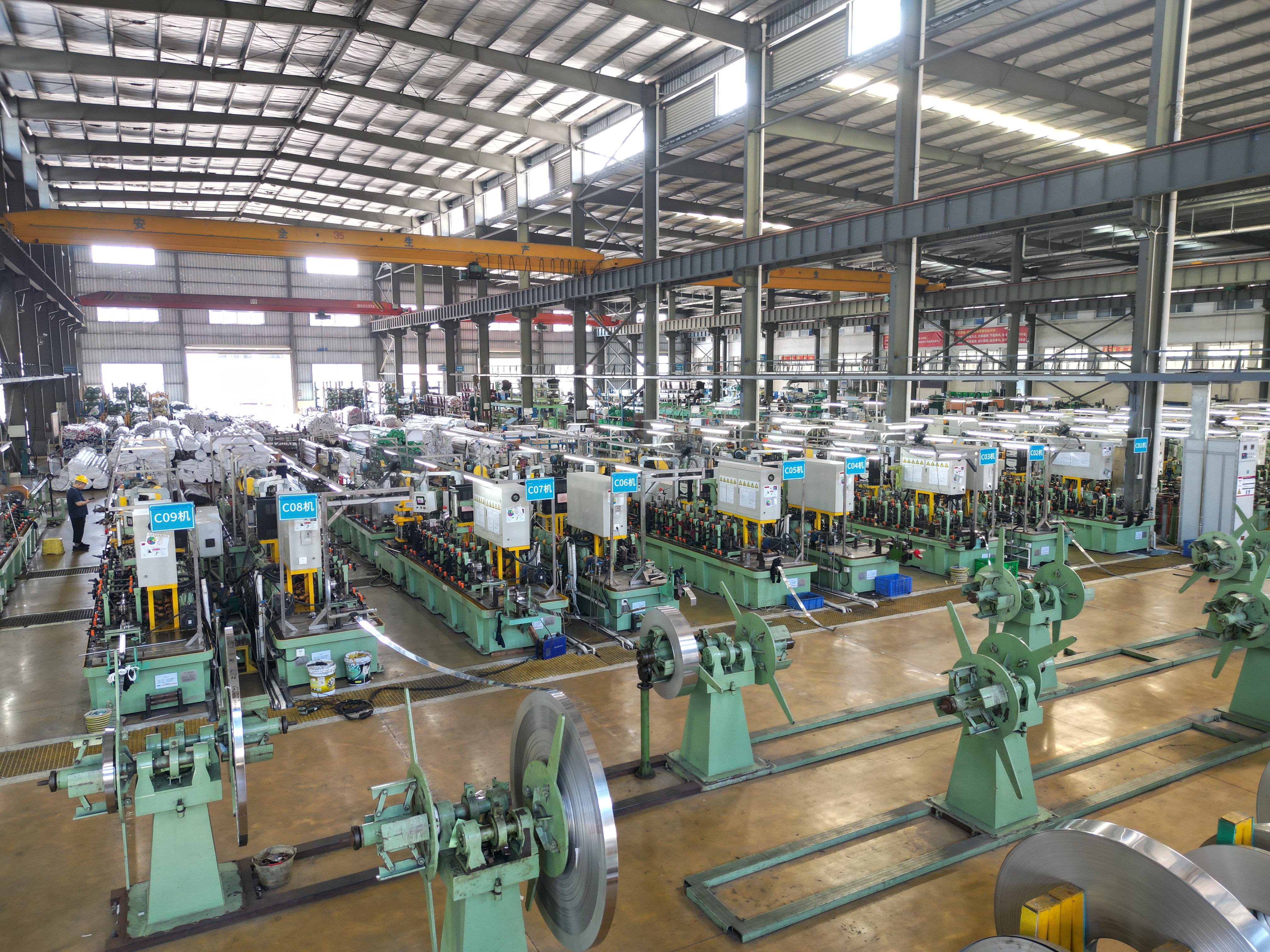
With a manufacturing facility of more than 25,000㎡, HAISHUN combines industrial mixing engineering practices with customized equipment manufacturing to address different process requirements.
Its Electric tank liquid agitator solutions can be configured for applications including:
-
High-viscosity chemical processing
-
Pharmaceutical mixing and sterile production
-
Food-grade blending and emulsification
-
Fermentation and reaction processes
HAISHUN's equipment is manufactured according to applicable international requirements and is available with certifications and standards including CE, TUV, PED, BV, and GMP, depending on the equipment and application.
Rather than selecting an agitator solely from standard specifications, HAISHUN focuses on matching the equipment to the process. Engineering considerations can include fluid rheology, tank dimensions, production cycle, operating conditions, and energy requirements.
This approach is particularly important when the material changes significantly during processing or when the equipment must operate continuously under demanding conditions.
A Practical Agitator Selection Checklist for Industrial Buyers
Before purchasing a Best tank liquid agitator, buyers and system integrators should establish the process parameters first.
Process Data
Determine:
-
Viscosity at minimum and maximum operating temperatures
-
Fluid density
-
Solid concentration
-
Particle characteristics
-
Single-phase or multiphase behavior
-
Required mixing time
Mechanical Parameters
Evaluate:
-
Required operating speed
-
Torque requirements
-
Motor and gearbox capacity
-
Shaft dimensions and loading
-
Impeller diameter and configuration
Operating Conditions
Consider:
-
Batch or continuous operation
-
Operating temperature
-
Tank pressure
-
Cleaning requirements
-
CIP or sterilization cycles
-
Expected annual operating hours
Reliability and Maintenance
The equipment should also be assessed according to:
-
Bearing and seal service life
-
Maintenance accessibility
-
Spare-parts availability
-
Expected service intervals
-
Vibration control
-
Long-term operating stability
A system can have a powerful motor and still deliver poor process performance if these factors are not considered together.
Conclusion
Choosing an Electric tank liquid agitator for industrial production requires a process-based approach. The most suitable system is not necessarily the one with the highest motor power, largest impeller, or fastest rotational speed.
Instead, the equipment should provide the required flow pattern, torque, shear, and circulation under the actual conditions of the process.
For demanding applications, buyers should pay particular attention to viscosity changes, solids suspension, heat distribution, crystallization, tank geometry, continuous operating requirements, sealing, bearing capacity, and long-term maintenance.
The Best tank liquid agitator is ultimately the system that keeps the process stable—not simply the system that produces the most mechanical movement. When the agitator is correctly matched to the fluid, vessel, and production cycle, it can help reduce stratification and sedimentation, improve batch consistency, minimize maintenance interruptions, and support reliable long-term production.
For chemical, pharmaceutical, food, cosmetic, fermentation, and other process industries, agitation should therefore be treated as an integral part of process engineering rather than as a standalone mechanical component.
https://www.haishunmachinery.com/
HANGZHOU HAISHUN MACHINERY Co., Ltd
About Author