In modern welding environments, safety is no longer treated as a secondary consideration—it is a core part of production efficiency, quality control, and workforce sustainability. As welding applications expand across construction, shipbuilding, automotive repair, and heavy manufacturing, the demand for more advanced personal protective equipment continues to rise.
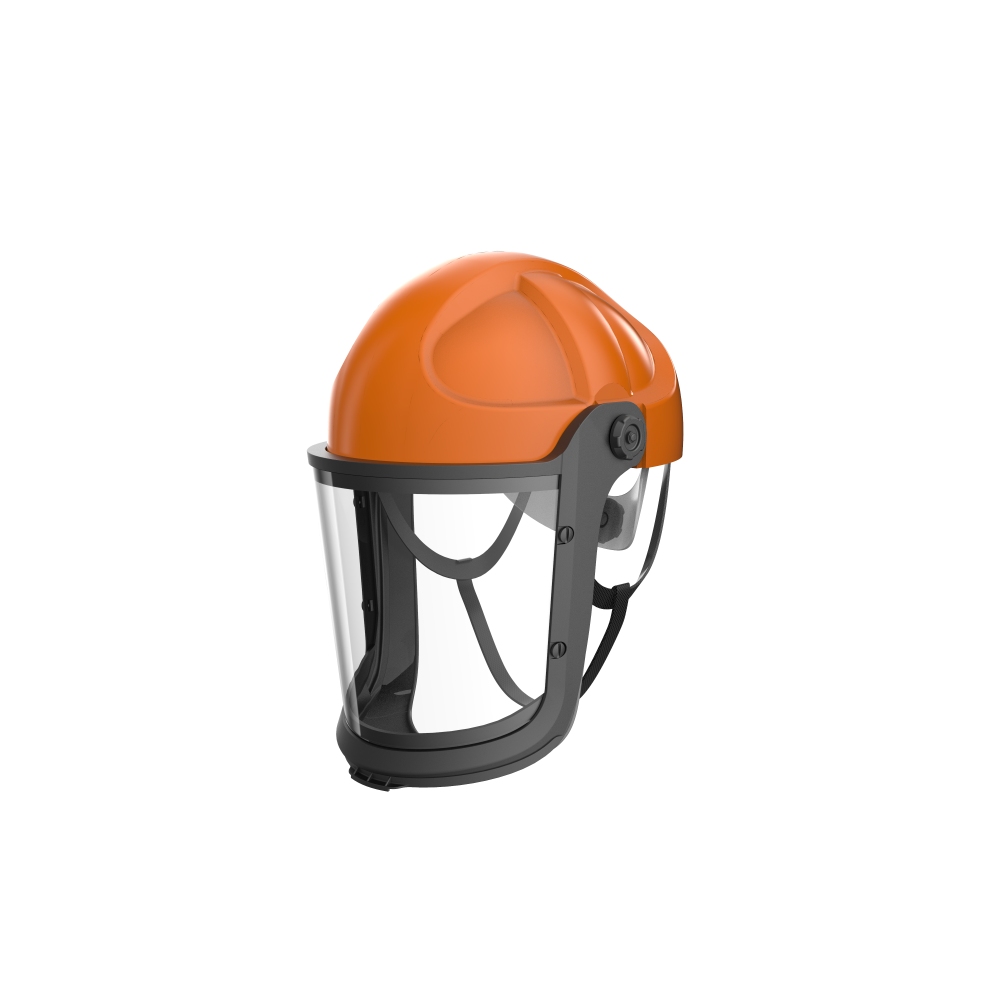
Among all safety gear, the welding helmet remains the most critical barrier between the operator and multiple high-risk hazards. A modern solution such as the yc-07 auto darkening welding safety helmet protective welding mask reflects how protective equipment has evolved from simple shielding tools into intelligent safety systems that actively support productivity.
1. Why Welding Eye Protection Is Non-Negotiable
Welding exposes operators to extreme optical and physical hazards that can cause both immediate injury and long-term health damage. Without proper protection, welders face risks such as:
-
Arc eye caused by intense ultraviolet exposure
-
Retinal damage from infrared radiation
-
Temporary or permanent vision impairment
-
Burns from molten metal sparks and spatter
Because these hazards occur instantly and repeatedly during welding operations, eye and face protection must be integrated into every working process without exception.
2. The Shift from Passive to Intelligent Protection
Traditional welding helmets relied on fixed-shade lenses, requiring operators to constantly lift or adjust the helmet. This limited efficiency and increased exposure risk.
Modern helmets, such as the yc-07 auto darkening welding safety helmet protective welding mask, use auto-darkening filter (ADF) technology that automatically adjusts lens shading in real time.
Key improvements include:
-
Instant darkening when the arc is struck
-
Clear visibility before and after welding
-
Reduced manual interruption during work
-
Improved precision in weld positioning
This transition has fundamentally improved both safety performance and workflow continuity.
3. Comprehensive Protection Beyond the Eyes
A welding helmet is not only about vision safety—it is a full-face protective system designed to shield the operator from multiple hazards simultaneously.
Effective helmets provide protection against:
-
UV and IR radiation
-
High-intensity visible light
-
Hot sparks and molten metal particles
-
Airborne debris and grinding dust
This layered protection ensures welders can operate safely even in high-intensity industrial environments.
4. Optical Clarity and Work Efficiency
Visual clarity directly influences welding quality. Poor visibility increases the likelihood of defects, rework, and operator fatigue.
Modern helmet design improves optical performance through:
-
High-definition viewing screens
-
True-color lens technology
-
Wider viewing angles for better spatial awareness
-
Anti-glare and anti-fog coatings
With these features, welders can maintain accuracy over long working periods without excessive eye strain.
5. Ergonomics and Operator Comfort
In industrial welding tasks, operators often wear helmets for extended hours. Poor ergonomics can lead to neck strain, fatigue, and reduced productivity.
Advanced helmet designs focus on:
-
Lightweight shell construction
-
Adjustable headgear systems
-
Balanced weight distribution
-
Comfortable inner padding
The yc-07 auto darkening welding safety helmet protective welding mask is designed to support long-duration use without compromising mobility or comfort.
6. Productivity Gains Through Better Safety Equipment
Safety equipment does more than prevent injuries—it directly influences production efficiency.
A high-quality welding helmet contributes to productivity by:
-
Reducing downtime caused by eye fatigue or injury
-
Eliminating frequent helmet lifting interruptions
-
Improving welding accuracy and reducing rework
-
Enhancing operator confidence in continuous operations
In this way, safety and productivity are closely interconnected rather than separate concerns.
7. Durability for Industrial Environments
Welding environments are harsh, involving heat, impact, dust, and continuous mechanical stress. Equipment must be built to withstand these conditions consistently.
Key durability features include:
-
Heat-resistant outer shells
-
Impact-resistant lens protection
-
Sealed electronic components for dust resistance
-
Long operational lifespan under continuous use
These characteristics ensure stable performance even in demanding industrial workflows.
8. Compatibility with Modern Welding Processes
Modern welding operations include MIG, TIG, arc welding, and automated welding systems. Each process requires different levels of visual control and sensitivity.
Advanced helmets support these needs through:
-
Adjustable sensitivity and delay settings
-
Compatibility with different welding intensities
-
Stable performance in manual and automated workflows
-
Consistent protection across multiple applications
This flexibility makes them suitable for a wide range of industries.
9. Compliance and Safety Standards
Reliable welding helmets are designed to meet international safety standards that ensure consistent protection performance.
These typically include:
-
ISO quality management standards
-
DIN optical safety certification
-
Global PPE compliance requirements
Manufacturers such as Yingcheng implement strict production controls to ensure each helmet meets these expectations for industrial use.
10. Why Welding Helmets Are a Long-Term Investment
While basic protective gear may meet minimum requirements, high-performance helmets deliver long-term operational value.
Key benefits include:
-
Lower risk of workplace injuries
-
Improved productivity and welding quality
-
Reduced replacement and maintenance costs
-
Higher operator satisfaction and retention
Investing in advanced protection is ultimately an investment in both workforce safety and operational efficiency.
Conclusion
In modern welding operations, safety equipment has evolved from passive protection tools into intelligent systems that actively enhance productivity and performance. A well-designed welding helmet is essential for protecting workers while supporting efficient and accurate welding processes.
Solutions like the yc-07 auto darkening welding safety helmet protective welding mask demonstrate how modern engineering and optical technology can significantly improve both safety standards and operational outcomes.
For industries that depend on precision welding and continuous production, high-quality protective equipment is not optional—it is a foundational requirement for sustainable success.
www.wxyingcheng.com
Wuxi Yingcheng
About Author