Managing a diabetic dog at home usually means taking blood glucose readings on a regular schedule and then bringing that data to a vet visit so insulin dosing can be adjusted. The tricky part is less about taking the reading itself and more about what happens to that number afterward.
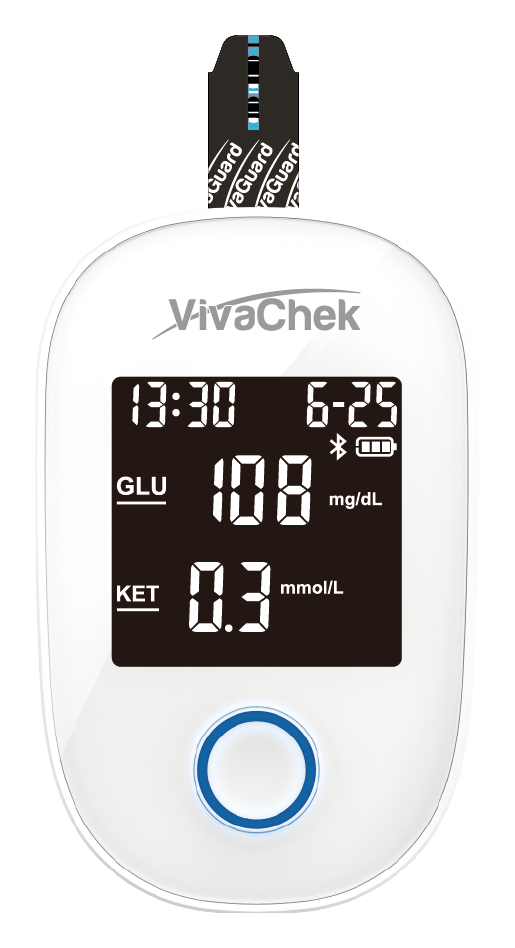
Some owners write each reading in a notebook with the time, feeding schedule and insulin dose noted alongside it. Others rely on whatever memory the meter itself holds. Consumer glucose meters on the market do vary in how many results they can store internally, with some holding up to a thousand time-stamped entries and a few offering optional Bluetooth syncing to a paired app or device. That built-in storage can be convenient, but it does not automatically produce the kind of curve a vet actually wants to see, which is usually a multi-point reading pattern across a full day rather than a single number.
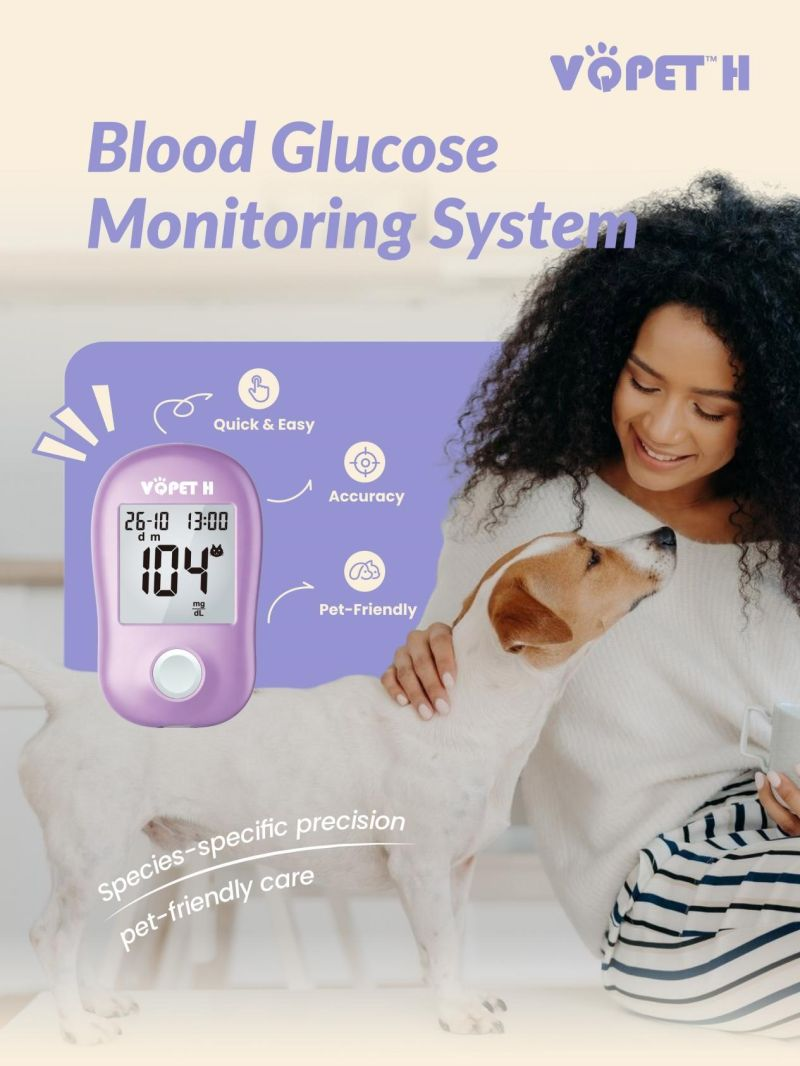
Another layer to this is that glucose monitoring devices sold specifically for veterinary use exist as a separate category from general consumer blood glucose meters, which suggests calibration or design considerations differ enough between species that manufacturers keep the two lines apart rather than marketing one meter for both.
For anyone doing this at home, the practical question is whether digital memory on a meter is actually useful for vet reviews, or whether a manual log with context like feeding and insulin timing ends up being the more reliable record in practice.
https://www.vivachek.com
Vivachek Biotech (Hangzhou) Co., Ltd.
About Author