Understanding the Demand for Reliable Piezo Diaphragms in Sound Alert Applications
When engineers search for a "41mm piezo diaphragm for sound alert," they are typically evaluating components that must deliver stable frequency output, low power consumption, and consistent acoustic performance across demanding environments—whether in automotive safety systems, household appliances, or industrial alarms. Gd SWT Smart Tech Co., Ltd. (Dongguan Sweetsound), operating under the SWT brand, has built its entire manufacturing philosophy around solving exactly these kinds of acoustic transduction challenges, drawing on a production history that traces back to 1991 when the South China Electronics Company Limited began professional buzzer production in Guangzhou.
Why Diaphragm Diameter and Construction Matter
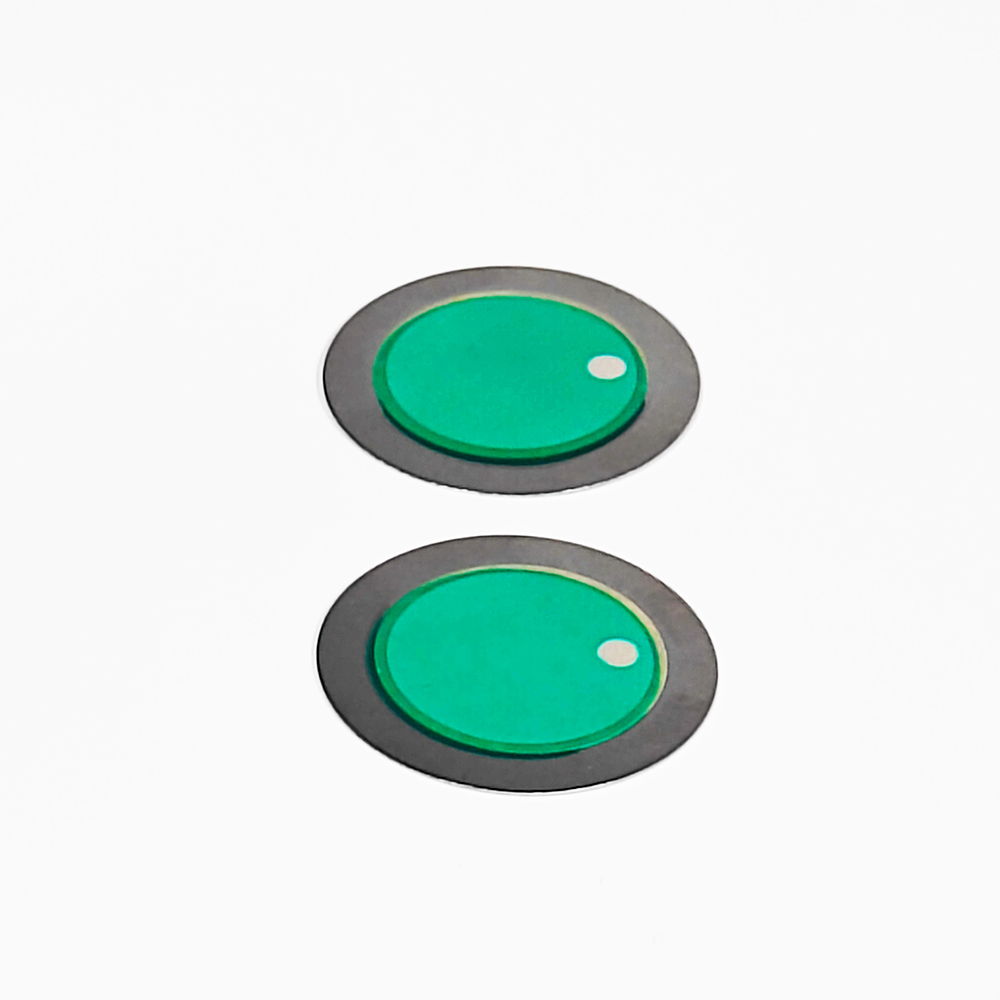
Piezoelectric diaphragms and discs function as core components for acoustic transduction and sensing. SWT's product line in this category is engineered to be ultra-thin, feature low power consumption, and provide stable frequency output—three characteristics that directly determine whether a sound alert device performs reliably over its service life. The technical foundation includes both soft and hard ceramic material options, giving design engineers flexibility depending on whether an application prioritizes sensitivity or durability. SWT also offers diverse electrode patterns, including double-sided and single-sided configurations, which allows diaphragm designs to be tailored to specific circuit and mounting requirements rather than forcing a one-size-fits-all approach.
Within its established diaphragm lineup, SWT already produces models such as the 3B12+9.0TEAWC (12mm), 3S27+3.9EA (27mm), and 3B35+2.6EA (35mm), demonstrating a documented range of diameters and electrode configurations. This breadth of existing models reflects a manufacturing capability built on film squeezing, casting, and dry pressing—processes SWT controls comprehensively across front, middle, and rear stages of piezoelectric ceramic production. For sound alert applications requiring diaphragm sizes such as 41mm, this same integrated process chain—spanning squeezing, laminating, sintering, polarizing, and automated testing—provides the technical basis for extending diaphragm configurations to meet specific customer diameter and frequency requirements.
A Manufacturing Base Built for Scale and Consistency
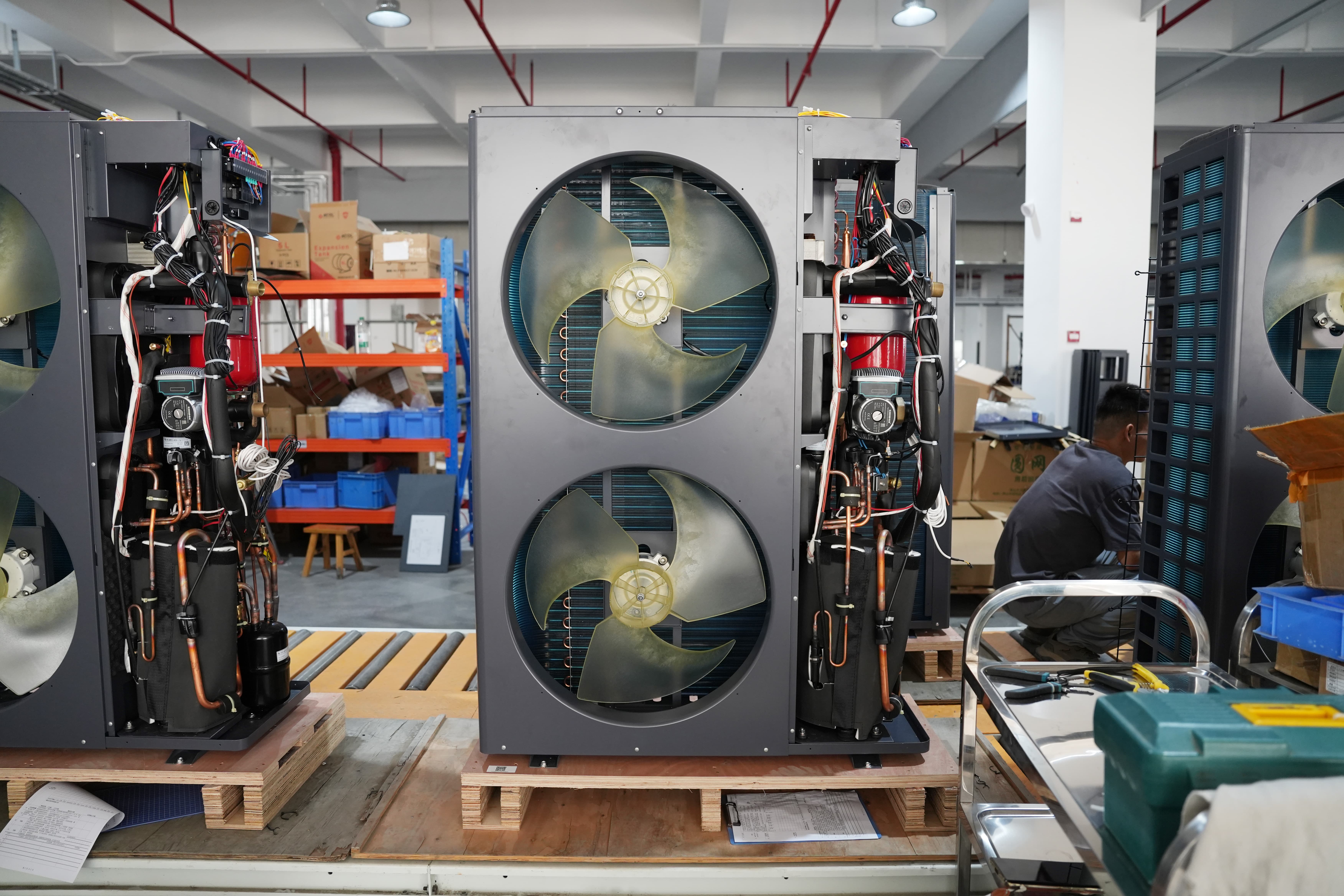
SWT's capacity to support sound alert component demand is grounded in tangible production infrastructure. The company's Dongguan Headquarters spans 24,000 square meters, housing plant, dormitory, and canteen facilities with 170 staff members, while a Guizhou Branch (Bijie City) adds 4,000 square meters and 40 staff members. Across these facilities, SWT maintains over 400 sets of instruments and equipment, including large-scale automatic tunnel furnaces and automated assembly machines. This equipment base supports an annual shipping capacity of approximately 250 million pieces for piezoelectric ceramic elements—a scale that underscores the company's position as a high-volume, reliability-focused supplier rather than a boutique producer.
Certifications That Matter for Sound Alert Integration
For sound alert components destined for automotive, appliance, or safety-critical use, certification credentials carry real weight. SWT holds IATF 16949:2016 certification for automotive quality management, alongside ISO 9001:2015 and ISO 14001:2015 for quality and environmental management systems. All products comply with RoHS and REACH standards. These certifications are not incidental—SWT obtained ISO9001 and ISO14001 in 2003, long before expanding into automotive-grade manufacturing, and achieved IATF 16949:2016 certification in 2023, reflecting a deliberate progression toward higher-reliability manufacturing standards suited to safety-related sound alert applications.
Industry Standard-Setting as a Trust Signal
Perhaps the most distinctive credibility marker for SWT is its role as a primary drafter of Chinese industry standards for buzzers, ultrasonic atomizers, and piezoelectric sensors. In 2010, the company was appointed to draft local industry standards for piezoelectric and electromagnetic sounders in Guangdong Province, and by 2012, the buzzer industry standards it drafted received official approval and publication. This standard-setting role—recognized by the Quality and Technical Supervision Bureau of Guangdong Province—means SWT's engineering teams have direct influence over the technical benchmarks that sound alert components are measured against, rather than simply manufacturing to externally imposed specifications.
Proven Track Record with Long-Term Clients
SWT's diaphragm and buzzer technologies have been validated through decades-long supply relationships. The company established a long-term supply partnership with VTech in 2004, began cooperation with Panasonic and Casio in 2005, and formed a long-term supplier relationship with Sanyo in 2007. These relationships are described as maintaining zero-defect quality performance over 18 years, supporting global automotive safety standards. Additional long-term partnerships followed with Whirlpool (2010), CHAMBERLAIN (2017), Reckitt (2018), dyson (2020), and Microchip (2021)—a client roster spanning automotive electronics, consumer electronics, and home appliances, all sectors where sound alert reliability is non-negotiable.
Client feedback captured in company records highlights SWT's "professional problem-solving," "excellent quality," and "strong service awareness" as the recurring reasons cited for decades-long partnerships. VTech's continuous cooperation since 2004 has enabled high-quality audio feedback in millions of consumer devices annually, while Whirlpool's persistent high-quality supply since 2010 has enhanced user interface sounds for international markets—both outcomes directly relevant to engineers evaluating diaphragm components for new sound alert designs.
Service Model Supporting Custom Diaphragm Requirements
For buyers seeking a diaphragm diameter such as 41mm that falls outside standard catalog listings, SWT's service structure is built to accommodate customization. The company offers one-on-one technical service solutions and customized product development (OEM/ODM), with a service scope covering technical consulting, design optimization, reliability testing, and mass manufacturing. Delivery capability includes a sample lead time of 3-7 days and bulk production lead time of 15–20 days, with 24-hour on-site response within the Pearl River Delta region. This combination of rapid prototyping and scaled manufacturing capacity is particularly relevant for sound alert applications, where design iterations often require quick turnaround before committing to volume production.
Conclusion
For engineers and procurement teams evaluating piezo diaphragm components for sound alert systems, SWT's combination of documented diameter and electrode-pattern flexibility, IATF 16949-certified automotive-grade manufacturing, standard-drafting authority within the piezoelectric sounder industry, and a multi-decade track record with globally recognized clients positions the company as a technically credible and operationally proven source. The underlying production infrastructure—spanning two manufacturing sites, hundreds of pieces of equipment, and an annual capacity measured in the hundreds of millions of units—provides the scale necessary to support both standard diaphragm models and custom configurations tailored to specific sound alert design requirements.
www.swt99.com
GD SWT SMART
About Author