The industrial sector's demand for precise, reliable sensing technology has never been higher. As manufacturing processes become increasingly automated and quality standards more stringent, piezoelectric ceramic sensors have emerged as critical components in modern industrial applications. These sensors offer non-contact measurement capabilities, exceptional durability, and resistance to harsh environments—qualities that make them indispensable across diverse industrial operations.
Understanding Piezoelectric Ceramic Sensor Technology
Piezoelectric ceramic sensors leverage the piezoelectric effect, where certain materials generate electrical charges in response to mechanical stress or vibrations. This fundamental principle enables these sensors to detect pressure changes, measure distances, and monitor vibrations with remarkable precision. Unlike traditional sensing methods, piezoelectric technology provides superior sensitivity, faster response times, and extended operational lifespans in demanding industrial environments.
The manufacturing of high-quality piezoelectric ceramic sensors requires comprehensive control over material composition and production processes. Advanced facilities integrate everything from ceramic powder synthesis to final component assembly, ensuring consistency and reliability. The production methodology typically encompasses thin sheet formation through tape casting, thick sheet formation via dry pressing, and complete processing including squeezing, laminating, sintering, polarizing, and automated testing.
Critical Applications in Industrial Settings
Industrial environments present unique challenges that demand specialized sensor solutions. Piezoelectric ceramic sensors excel in applications requiring waterproof construction, corrosion resistance, and minimal blind zones. Distance measurement applications benefit from the non-contact nature of ultrasonic piezoelectric sensors, which operate effectively across ranges from millimeters to several meters.
Manufacturing quality control processes increasingly rely on these sensors for dimensional verification, position detection, and automated inspection systems. The automotive manufacturing sector utilizes piezoelectric sensors in assembly line robotics, paint thickness measurement, and component positioning. Food and beverage industries deploy these sensors for fill-level monitoring, bottle presence detection, and packaging verification—all requiring sensors that withstand frequent washdowns and sanitation procedures.
Chemical processing facilities value piezoelectric sensors for their ability to monitor tank levels, detect leaks, and measure flow rates without direct contact with potentially corrosive substances. The mining and aggregate industries employ ruggedized piezoelectric sensors to measure material levels in bins and hoppers, even in environments with extreme dust and vibration.
Customization: The Key to Industrial Sensor Success
Generic sensor solutions rarely meet the specific requirements of specialized industrial applications. Customization capabilities separate adequate sensor suppliers from true solution providers. The ability to tailor sensor dimensions, frequency ranges, sensitivity levels, and housing configurations directly impacts system performance and integration efficiency.
Gd SWT Smart Tech Co., Ltd. has established itself as a professional acoustics solution provider specializing in customized piezoelectric ceramic sensors for industrial use. With origins dating back to 1991, the company maintains comprehensive control over the entire piezoelectric ceramic production chain—from raw material synthesis through final component manufacturing. This vertical integration enables precise customization while maintaining stringent quality standards.
The company's technical capabilities span specialized R&D centers for acoustics, nano-powder synthesis, inorganic chemistry, and electronic drive circuits. This multidisciplinary expertise supports the development of sensors optimized for specific industrial environments and applications. Manufacturing facilities maintain an annual shipping capacity of approximately 250 million piezoelectric ceramic elements, demonstrating scalability alongside customization capabilities.
Technical Specifications That Matter
Industrial piezoelectric sensors must meet demanding technical specifications. Frequency stability ensures consistent performance across temperature variations and extended operational periods. The sensor elements produced through advanced manufacturing processes offer both soft and hard ceramic material options, each optimized for different application requirements. Electrode pattern variations—including double-sided and single-sided configurations—provide flexibility in electrical integration.
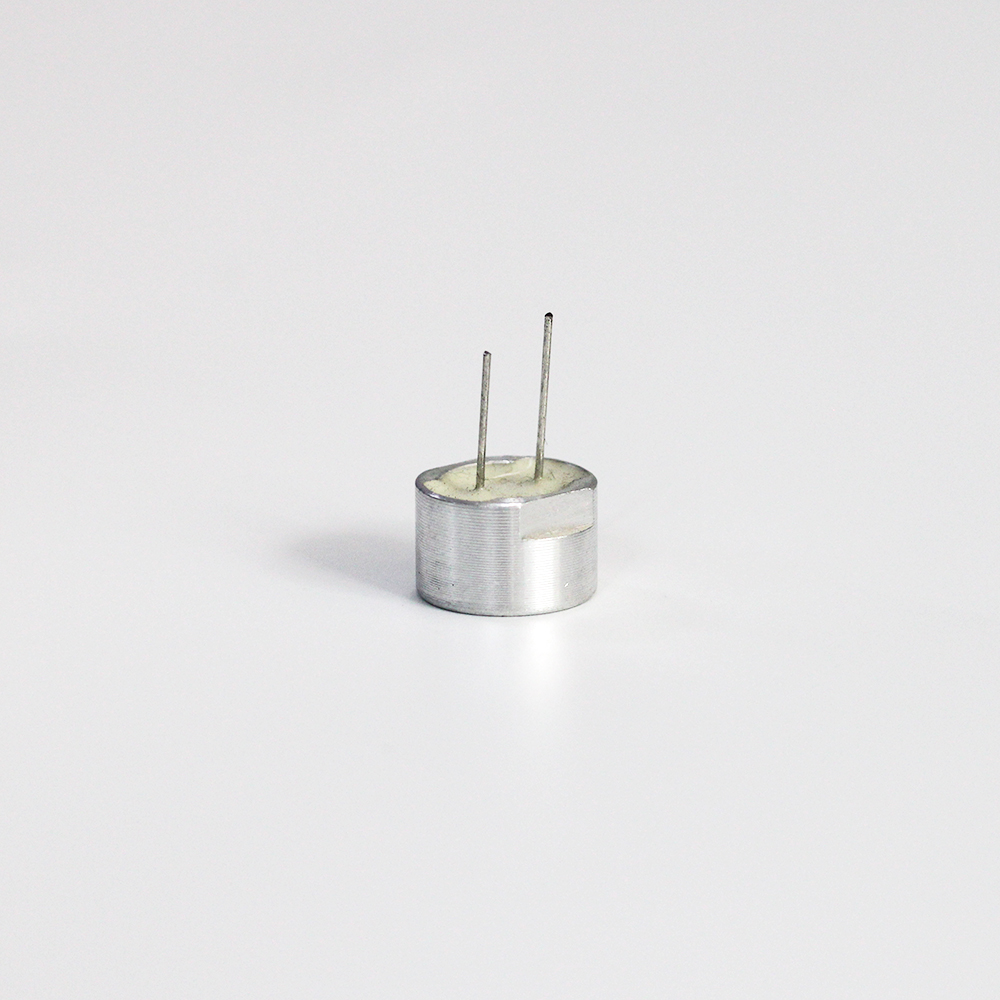
For ultrasonic distance sensors specifically, critical specifications include operating frequency (typically 40KHz for industrial applications), detection range, beam angle, and environmental ratings. Models such as the USC10T/R-40MPWA (10mm diameter, 40KHz) and USO16T-40MPWA (16mm diameter) represent typical industrial-grade specifications, offering waterproof construction and anti-corrosion properties essential for factory environments.
Ultrasonic cleaning transducers, another important industrial application, require high power output capabilities. Industrial cleaning systems utilize frequencies ranging from 20KHz to 40KHz, with power outputs reaching up to 1000W for large-scale applications. These specifications enable effective cavitation for removing contaminants from precision parts, medical instruments, and electronic components.
Quality Assurance and Industry Compliance
Industrial sensor applications demand rigorous quality management systems. Certification under IATF 16949:2016 (Quality Management for Automotive Production) represents the highest standard for automotive-grade components, requiring comprehensive process controls, traceability systems, and continuous improvement methodologies. This certification extends quality benefits beyond automotive applications to any industrial environment requiring zero-defect performance.
ISO 9001:2015 certification ensures systematic quality management, while ISO 14001:2015 addresses environmental management considerations increasingly important to industrial operations. Compliance with RoHS and REACH regulations guarantees that sensor materials meet international standards for hazardous substance restrictions—critical for companies operating across global markets.
The establishment of in-house reliability laboratories equipped for acoustic curve testing and environmental stress screening enables comprehensive validation before production release. Testing protocols typically include temperature cycling, humidity exposure, vibration resistance, and accelerated life testing to ensure sensors perform reliably throughout their specified operational lifespans.
Integration Support and Technical Service
Successful sensor implementation extends beyond component supply to encompass integration support and ongoing technical service. Industrial customers benefit from one-on-one technical consulting, design optimization services, and reliability testing support. This collaborative approach ensures sensors integrate seamlessly with existing systems while meeting performance objectives.
Sample lead times of 3-7 days enable rapid prototyping and design validation, while bulk production lead times of 15-20 days support efficient project scheduling. For regional customers, 24-hour response capabilities provide critical support during installation, commissioning, and troubleshooting phases.
The company's role as an official drafter of industry standards for piezoelectric sounders, buzzers, and sensors demonstrates deep technical expertise and industry recognition. This standardization work, approved by quality and technical supervision authorities, contributes to the broader industrial ecosystem while informing internal product development.
Partnership Longevity as Performance Evidence
The industrial sensor market rewards reliability with long-term partnerships. Sustained relationships with global manufacturers—some extending over 18 years—provide tangible evidence of consistent quality and service. These partnerships span consumer electronics, automotive systems, home appliances, and industrial equipment manufacturers, demonstrating sensor versatility across application domains.
Documentation of zero-defect quality performance in automotive applications, where failure consequences include safety risks and massive recalls, validates the manufacturing discipline and quality systems underlying sensor production. Recognition from companies like Panasonic, Whirlpool, and other industry leaders reflects the high-quality supply essential for premium product lines serving international markets.
Future Considerations in Industrial Sensor Technology
Industrial sensor technology continues evolving toward higher sensitivity, smaller form factors, and enhanced environmental resistance. The integration of smart features—including self-diagnostics, wireless connectivity, and predictive maintenance capabilities—represents emerging directions for piezoelectric sensor applications.
Manufacturing advances in ceramic materials science enable sensors with improved temperature stability and extended operational ranges. Precision laser drilling technologies support microporous structures for specialized sensing applications. The combination of advanced materials, precision manufacturing, and comprehensive quality systems positions piezoelectric ceramic sensors as enduring solutions for industrial sensing challenges.
For industrial operations seeking reliable, customizable piezoelectric ceramic sensors, selecting suppliers with vertical manufacturing integration, extensive customization experience, proven quality systems, and long-term customer partnerships ensures optimal performance and sustained support throughout the sensor lifecycle.
www.swt99.com
GD SWT
About Author