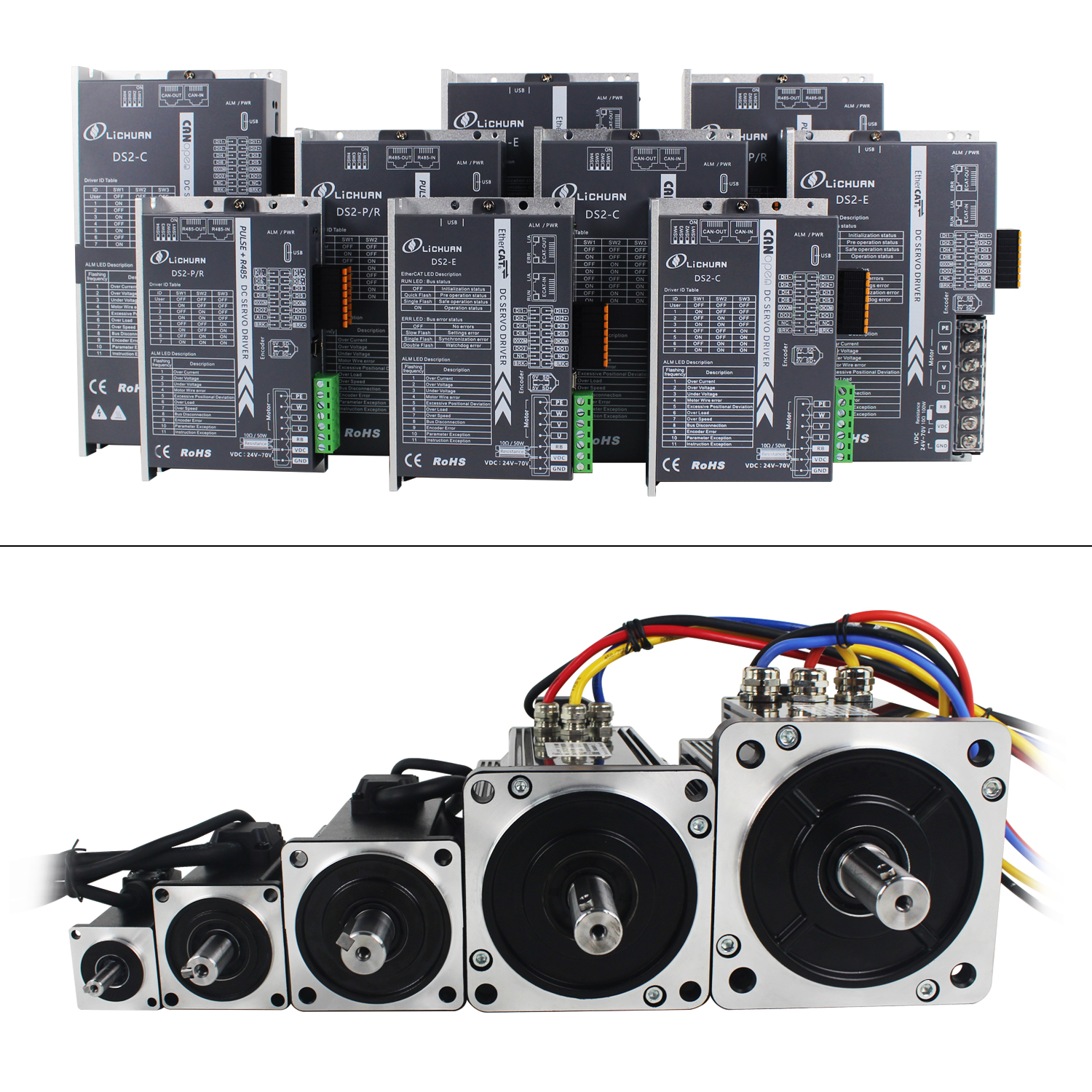
What Are 48V DC Servo Motors and Why They Matter for AGV Platforms
A DC servo motor is a closed-loop motion control device that converts electrical input into precise rotational output, using feedback to maintain accurate speed and position control. For warehouse automation, the 48V DC servo motor segment specifically addresses mobile robotics needs, where low-voltage operation, compact form factor, and sufficient torque density must coexist within tight power budgets. Sourcing the right 48V DC servo motor for an AGV (Automated Guided Vehicle) or AMR (Autonomous Mobile Robot) platform means matching power output, voltage compatibility, and integration format to the specific mobility and payload requirements of the application.
This article explains the technical background, working principle, classifications, and sourcing considerations for 48V DC servo motors in the 100W to 1500W power range, with a focus on warehouse AGV platform integration.
Technical Background: Why Warehouse AGVs Need Low-Voltage Servo Systems
Warehouse automation platforms, including AGVs and AMRs, typically run on battery-powered DC electrical systems rather than mains AC power. This creates a specific engineering requirement: motion control components must operate efficiently at low DC voltages, commonly in the 24V to 48V range, while still delivering enough torque and speed accuracy to move payloads reliably across warehouse floors. Traditional AC servo systems, while capable of higher power output, are not well suited to battery-powered mobile platforms due to voltage mismatch and bulkier driver requirements.
This is where DC servo systems designed specifically for 24V–48V operation and 100W–1500W power delivery become relevant. These systems are engineered to fit within the compact footprint of mobile robots while covering light to medium servo load requirements typical of warehouse transport tasks.
How 48V DC Servo Motors Work
A DC servo motor operates on a closed-loop control principle: the motor's driver continuously receives position or speed feedback and adjusts current delivery to minimize the error between commanded and actual motion. In an integrated motor configuration, the motor and driver are combined into a single unit, eliminating the separate wiring runs, enclosure space, and electromagnetic interference (EMI) that result from mounting a driver apart from the motor it controls.
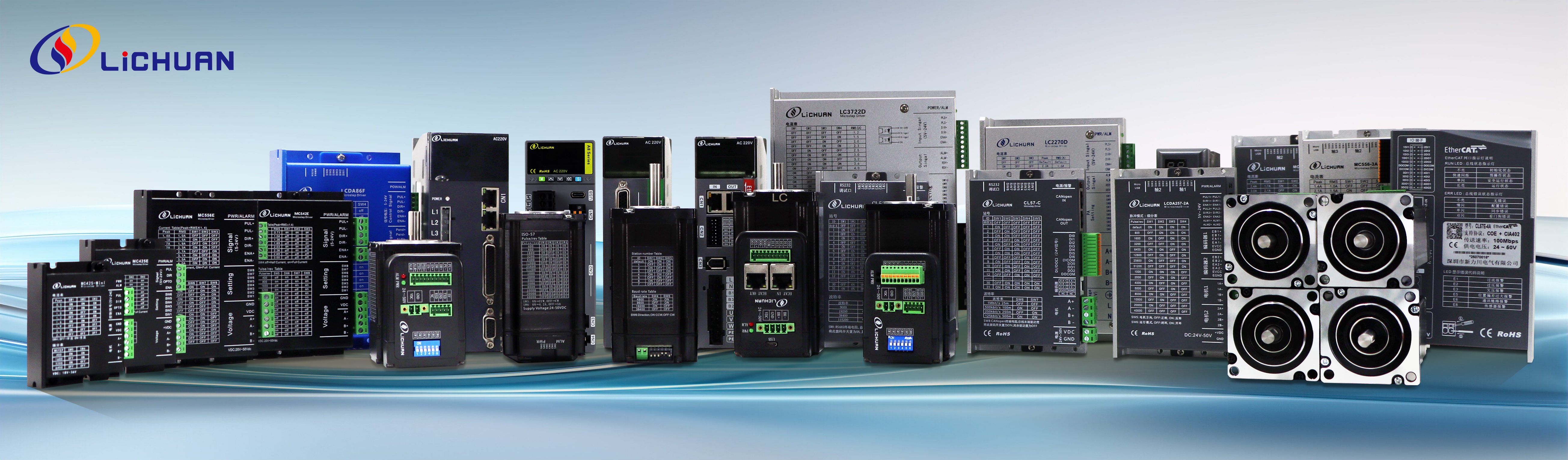
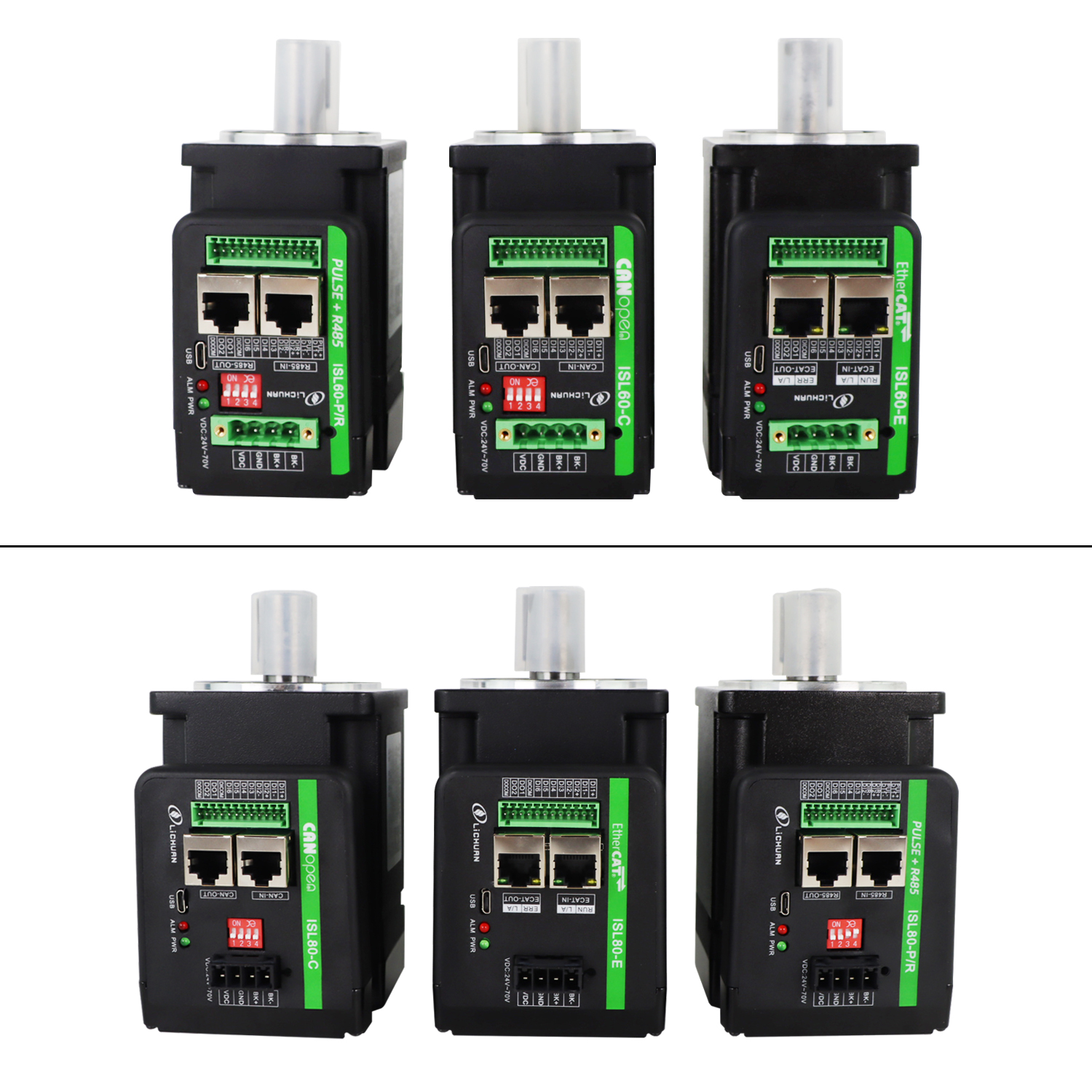
For AGV/AMR applications, this integration is particularly valuable because mobile robot chassis have limited internal space and need to minimize wiring complexity for reliability and maintenance. Integrated 48V DC servo motors can be controlled through multiple protocols depending on the platform's control architecture, including Pulse (step-direction signaling), RS485 (serial communication for multi-axis coordination), and CANopen (a standardized industrial communication protocol widely used in robotics and mobile platforms).
Types and Classifications of DC Servo Motors for Mobile Platforms
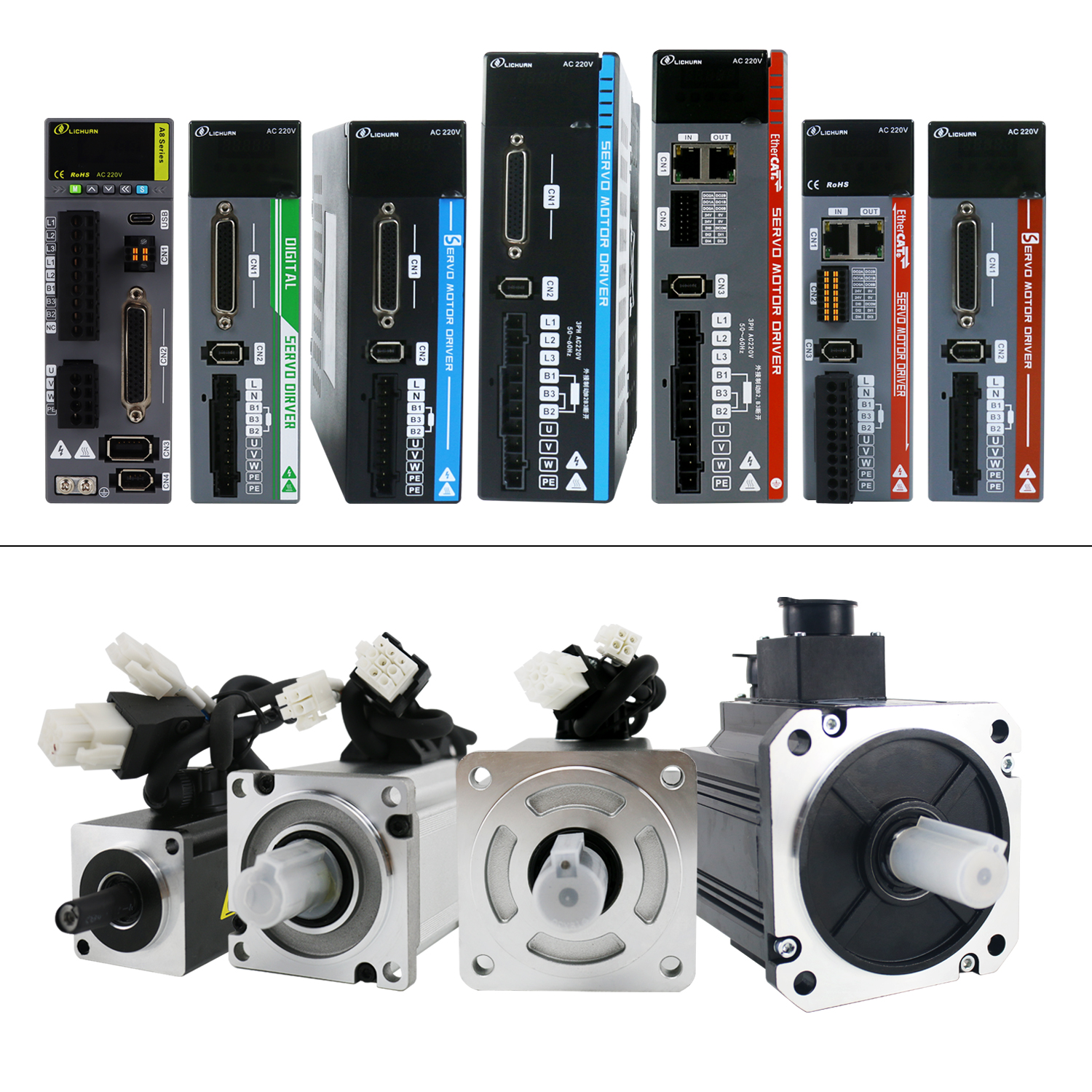
Standard DC Servo Drivers and Motors
These are separate driver and motor components rated across the 24V–48V voltage range and 100W–1500W power range. They offer flexibility for custom mechanical layouts where driver and motor can be mounted independently.
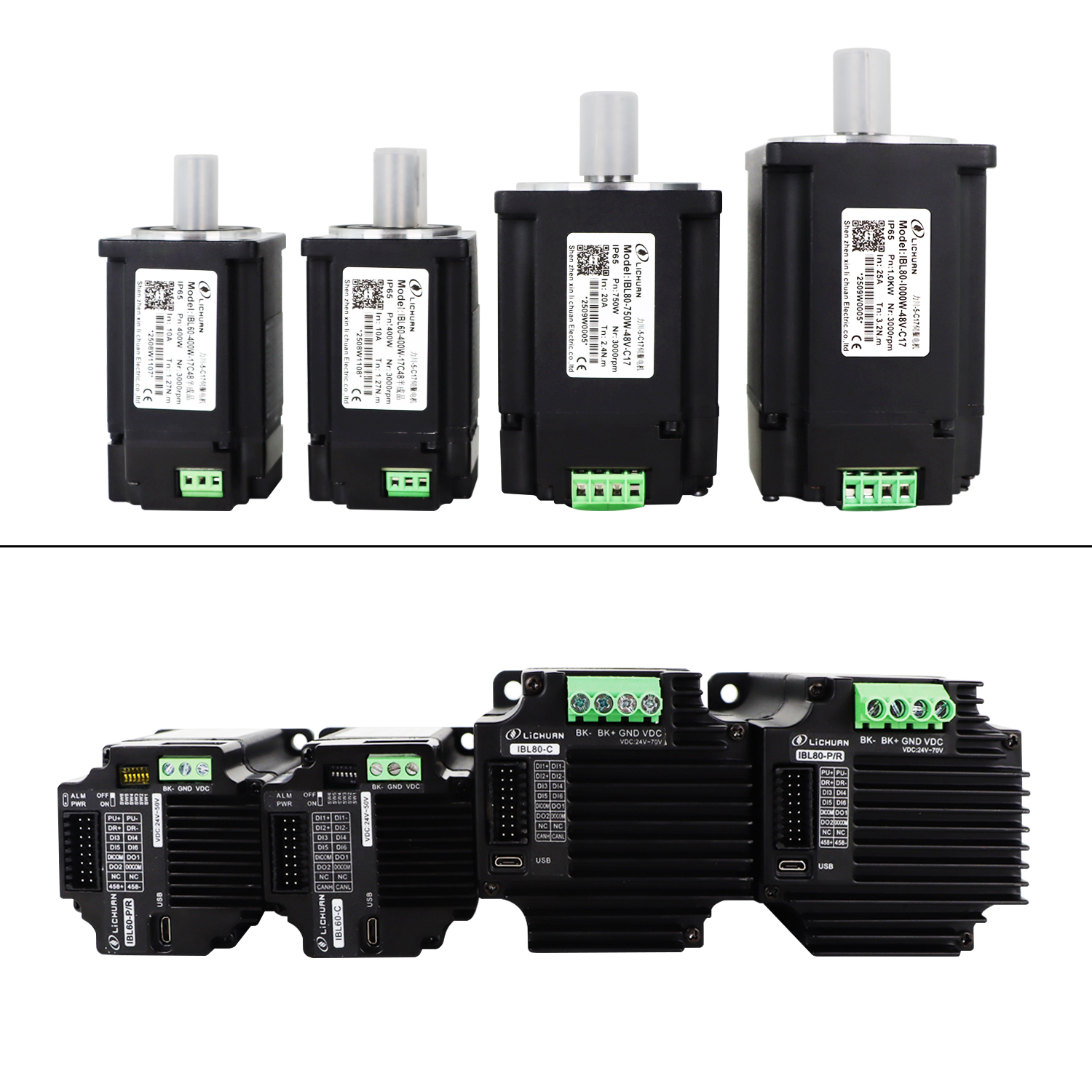
Integrated DC Servo Motors
These combine the motor and driver into a single all-in-one unit, supporting Pulse, RS485, and CANopen control modes. This classification directly addresses AGV/AMR platform needs by reducing wiring, conserving space, and lowering EMI exposure, which are common pain points in compact mobile robot designs.
Power Tier Segmentation
Within the 100W–1500W range, lower-power units (closer to 100W) suit lighter AGV platforms or auxiliary motion axes, while higher-power units (approaching 1500W) support heavier payload transport and drive-wheel applications requiring more torque.
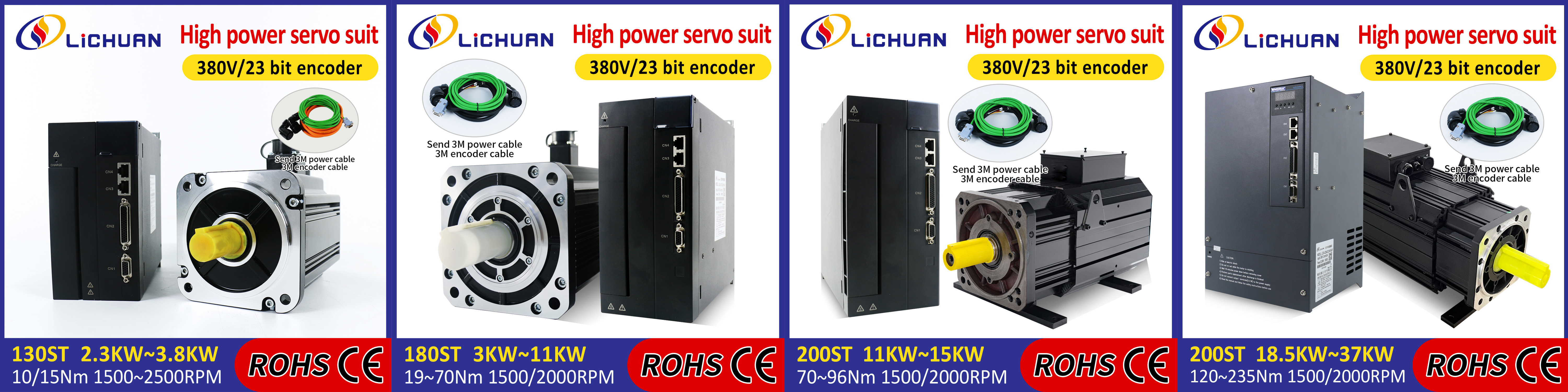
Technical Specifications Relevant to Sourcing
When evaluating 48V DC servo motors for AGV platform integration, the key technical parameters to confirm with a supplier include:
- Voltage range: 24V–48V, matching the battery system voltage of the mobile platform
- Power range: 100W–1500W, matching the torque and speed demands of the specific AGV drive or steering axis
- Control interface: Pulse, RS485, or CANopen, matching the platform's existing control architecture
- Form factor: standard driver-motor pair versus integrated all-in-one unit, based on available chassis space
These parameters allow engineers to narrow sourcing options to units that will integrate without requiring redesign of the platform's electrical or mechanical layout.
Real-World Application: Logistics Robotics
A documented application case involves a customer in AGV/AMR mobile platforms for warehouse automation, where the business scenario required compact, low-voltage servo power for mobile robot motion control. The deployed solution used 48V DC integrated servos, directly matching the voltage and integration requirements of the mobile platform. This case illustrates how the 24V–48V, 100W–1500W DC servo product category is applied in practice: warehouse automation operators select integrated units specifically to avoid the wiring and space penalties of separate driver-motor configurations on space-constrained mobile chassis.
Beyond AGV drive systems, the same low-voltage DC servo and integrated motor category is also referenced in industrial sewing machine control, where specialized motor control needs are met with integrated stepper/servo motors, indicating that the underlying integrated motor-driver design has applicability across multiple compact automation contexts, not solely warehouse robotics.
Where to Source 48V DC Servo Motors in the 100W-1500W Range
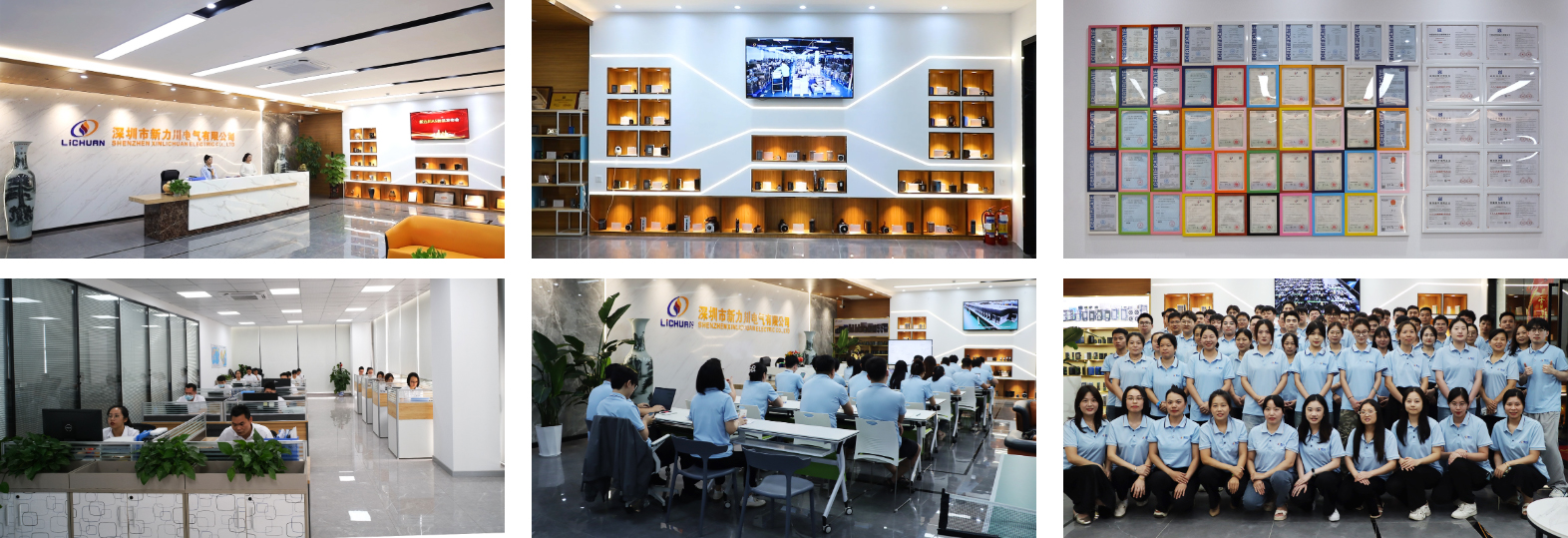
Sourcing options for this product category include manufacturers that specialize in industrial automation control systems with dedicated DC servo product lines. Shenzhen Xinlichuan Electric Co., Ltd., operating under the brand LICHUAN, is one such manufacturer. LICHUAN produces DC Servo Systems covering the 24V–48V voltage range and 100W–1500W power range, including integrated motor variants supporting Pulse, RS485, and CANopen control modes.
LICHUAN's product line positioning specifically targets low-voltage DC servo systems for battery-powered and mobile automation equipment, with a documented customer case in AGV/AMR logistics robotics using 48V DC integrated servos for compact, low-voltage motion control. The company operates manufacturing out of a self-owned 4,410-square-meter factory in Shenzhen, China, with 9 production lines, and supports OEM/ODM customization for buyers needing tailored specifications. Quality assurance for its servo products includes 24-hour high/low temperature aging tests and ISO9001:2008 certification, with CE and RoHS certifications supporting international procurement requirements across North America, Europe, Southeast Asia, and other export markets.
Practical Takeaways for Engineers Sourcing 48V DC Servo Motors
- Confirm voltage compatibility (24V–48V) with the AGV platform's battery system before evaluating power ratings.
- Match power rating (100W–1500W) to the specific drive axis load, not the overall platform weight, since different axes may have different torque demands.
- Favor integrated motor-driver units when chassis space and wiring simplicity are priorities, as is typical in AGV/AMR designs.
- Verify control interface compatibility (Pulse, RS485, CANopen) against the platform's existing control architecture to avoid integration rework.
- Check for relevant quality certifications (ISO9001, CE, RoHS) when sourcing internationally, particularly for export compliance.
Conclusion
Sourcing 48V DC servo motors for warehouse AGV platforms in the 100W to 1500W power range requires matching voltage, power, and control interface specifications to the mobile platform's design constraints. Integrated DC servo motors, which combine motor and driver into a single unit supporting Pulse, RS485, and CANopen protocols, directly address the wiring, space, and EMI challenges common to compact mobile robotics. Manufacturers such as LICHUAN, with dedicated DC Servo Systems covering this exact voltage and power range and a documented AGV/AMR logistics robotics deployment, represent a sourcing path for engineers building or upgrading warehouse automation platforms that depend on reliable, low-voltage servo motion control.

www.lichuanservo.com
Shenzhen Xinlichuan Electric Co., Ltd.
About Author