Understanding the Demand for High dB Piezo Buzzers
When engineers search for a high dB SWT piezo buzzer, they are typically solving a specific problem: how to deliver a loud, clear, and dependable audible signal in environments where failure is not an option—automotive safety systems, smoke alarms, industrial sirens, and smart appliances. Gd SWT Smart Tech Co., Ltd., operating under the brand name SWT, has positioned itself as a professional acoustics solution provider addressing exactly this requirement, drawing on more than two decades of focused experience in piezoelectric ceramic and electroacoustic transducer manufacturing.
Product Line and Technical Highlights
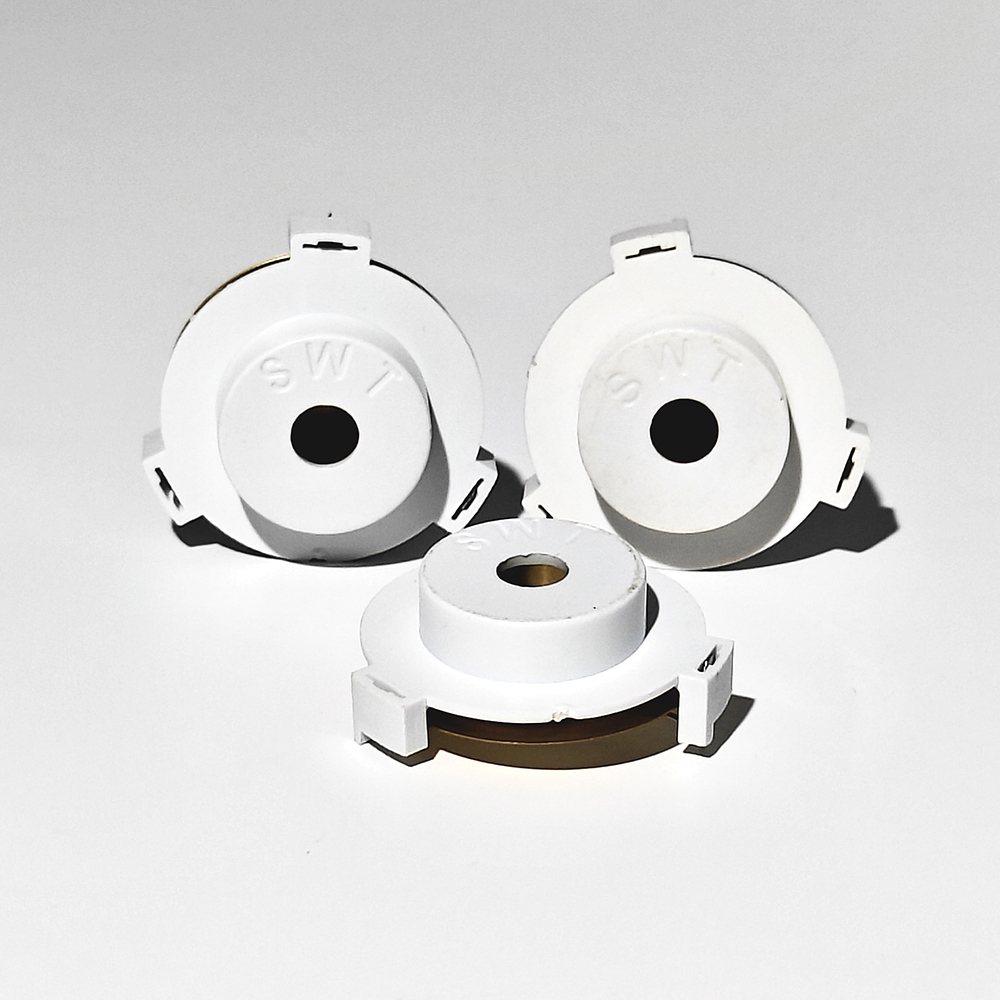
SWT's Buzzer and Alarm Series is built around two complementary product families. The SMD/SMT Buzzers, including models such as PSE1230+4003SA (3V) and MS7525+2705SA (5V), are engineered with a small footprint and reflow soldering compatibility while still achieving a high sound pressure level (SPL)—a core requirement for applications demanding both compact design and loud, unmistakable audio output.
Alongside these, SWT produces Active and Passive Buzzers, available in both magnetic and piezo configurations. The differentiated value here lies in flexibility: active buzzers come with internal drive circuits for simplified integration, while passive buzzers rely on external drive signals, allowing frequency flexibility for engineers who need to tune acoustic output to specific application requirements. These components are already deployed across automotive seatbelt reminders, smoke alarms, and household appliances, scenarios where consistent high dB output directly correlates with safety performance.
Underpinning these buzzer products is SWT's broader piezoelectric ceramic element manufacturing capability. The company controls film squeezing, tape casting, dry pressing, laminating, sintering, polarizing, and automated testing—an integrated supply chain that allows tight control over the acoustic performance characteristics that determine buzzer loudness, frequency stability, and longevity.
Manufacturing Scale and Quality Assurance
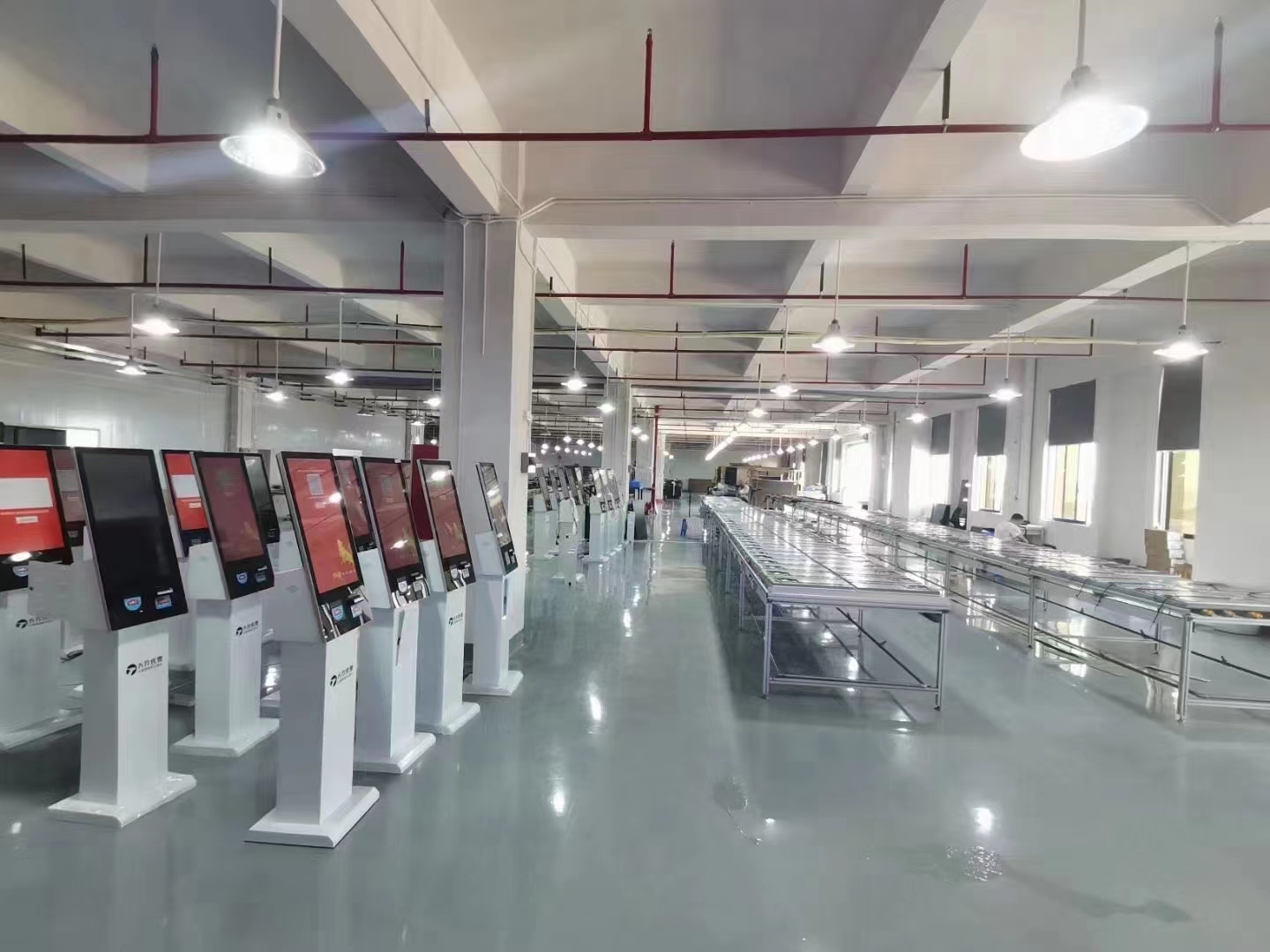
A high dB piezo buzzer is only as reliable as the manufacturing process behind it. SWT maintains what the company describes as the largest production capacity in mainland China for specific piezoelectric components, with an annual output reaching approximately 250 million units. This scale is supported by over 400 sets of instruments and equipment, including large-scale automatic tunnel furnaces and automated assembly machines, spread across a 24,000 square meter Dongguan Headquarters and a 4,000 square meter Guizhou Branch in Bijie City.
Quality assurance is formalized through certification. SWT holds IATF 16949:2016 automotive quality management certification (obtained in 2023), ISO 9001:2015, and ISO 14001:2015, alongside RoHS and REACH compliance across its product range. These certifications matter specifically for buzzer applications in automotive and safety-critical contexts, where consistent sound output and long-term reliability under stress are non-negotiable. The company's in-house reliability laboratory, equipped for acoustic curve testing and environmental stress screening, provides direct validation of buzzer performance before products reach customers.
Industry Standard-Setting Role
One of the more notable aspects of SWT's position in the buzzer market is its role as a primary drafter of Chinese industry standards for buzzers. In 2010, the company was appointed to draft local industry standards for piezoelectric and electromagnetic sounders in Guangdong Province, and by 2012 these buzzer industry standards received official approval and publication. SWT remains recognized as the official drafter of the "Piezoelectric Sounders and Piezoelectric Buzzers" and "Electromagnetic Sounders and Electromagnetic Buzzers" standards, with formal recognition from the Quality and Technical Supervision Bureau of Guangdong Province. For buyers evaluating suppliers, this standard-setting involvement signals a depth of technical authority that extends beyond simple component manufacturing into shaping how the broader industry defines buzzer performance benchmarks.
Market Validation and Client Relationships
SWT's buzzer and acoustic component business is supported by long-standing client relationships that span multiple industries. The company established a long-term supply partnership with VTech in 2004, followed by cooperation with Panasonic and Casio in 2005, and a supplier relationship with Sanyo in 2007. These automotive and consumer electronics partnerships have been maintained for over 18 years, with the company reporting zero-defect quality performance supporting global automotive safety standards during that period.
In the home appliance sector, SWT began a persistent high-quality supply relationship with Whirlpool in 2010, enhancing user interface sounds for international markets. More recent partnerships include CHAMBERLAIN (2017), Reckitt (2018), dyson (2020), and Microchip (2021), reflecting continued demand for SWT's acoustic components across diverse end markets. Additional recognized clients cited by the company include CASIO (over 15 years of partnership), LG, Hisense, EPH, Finsecur, and Cirkit Electro, spanning Japan, Korea, the United Kingdom, Israel, Germany, France, and India.
Client feedback referenced by the company highlights SWT's "professional problem-solving," "excellent quality," and "strong service awareness" as the stated reasons behind these decades-long partnerships—qualities directly relevant to buyers evaluating a buzzer supplier for high-volume, safety-critical applications.
Service Delivery for Buzzer Buyers
For procurement teams, delivery timelines matter as much as technical specifications. SWT offers sample lead times of 3–7 days and bulk production lead times of 15–20 days, supported by 24-hour on-site response within the Pearl River Delta region. The company's service model combines one-on-one technical consulting with customized OEM/ODM product development, covering technical consulting, design optimization, reliability testing, and mass manufacturing—an end-to-end approach for buyers seeking a high dB SWT piezo buzzer solution rather than a standalone component.
Conclusion
Taken together, SWT's position in the buzzer segment is built on a combination of integrated manufacturing control, formal automotive-grade certification, direct involvement in national buzzer standard-setting, and a documented history of multi-decade client relationships across automotive, consumer electronics, and appliance sectors. The company is recognized within Guangdong Province as a Specialized and Innovative Enterprise and has been reported as ranking within the top three within the industry, reflecting the scale and technical depth behind its buzzer and broader piezoelectric acoustic product lines. For buyers evaluating high dB piezo buzzer suppliers, these factors—standard authorship, certified quality systems, and sustained client retention—provide a documented basis for evaluation grounded in SWT's own operational history rather than general industry claims.
www.swt99.com
GD SWT SMART
About Author