In modern manufacturing, adhesive bonding has become an essential process across industries such as automotive, electronics, home appliances, metal fabrication, and composite materials. While selecting the right adhesive is important, the curing and drying process ultimately determines bonding strength, durability, and overall product quality.
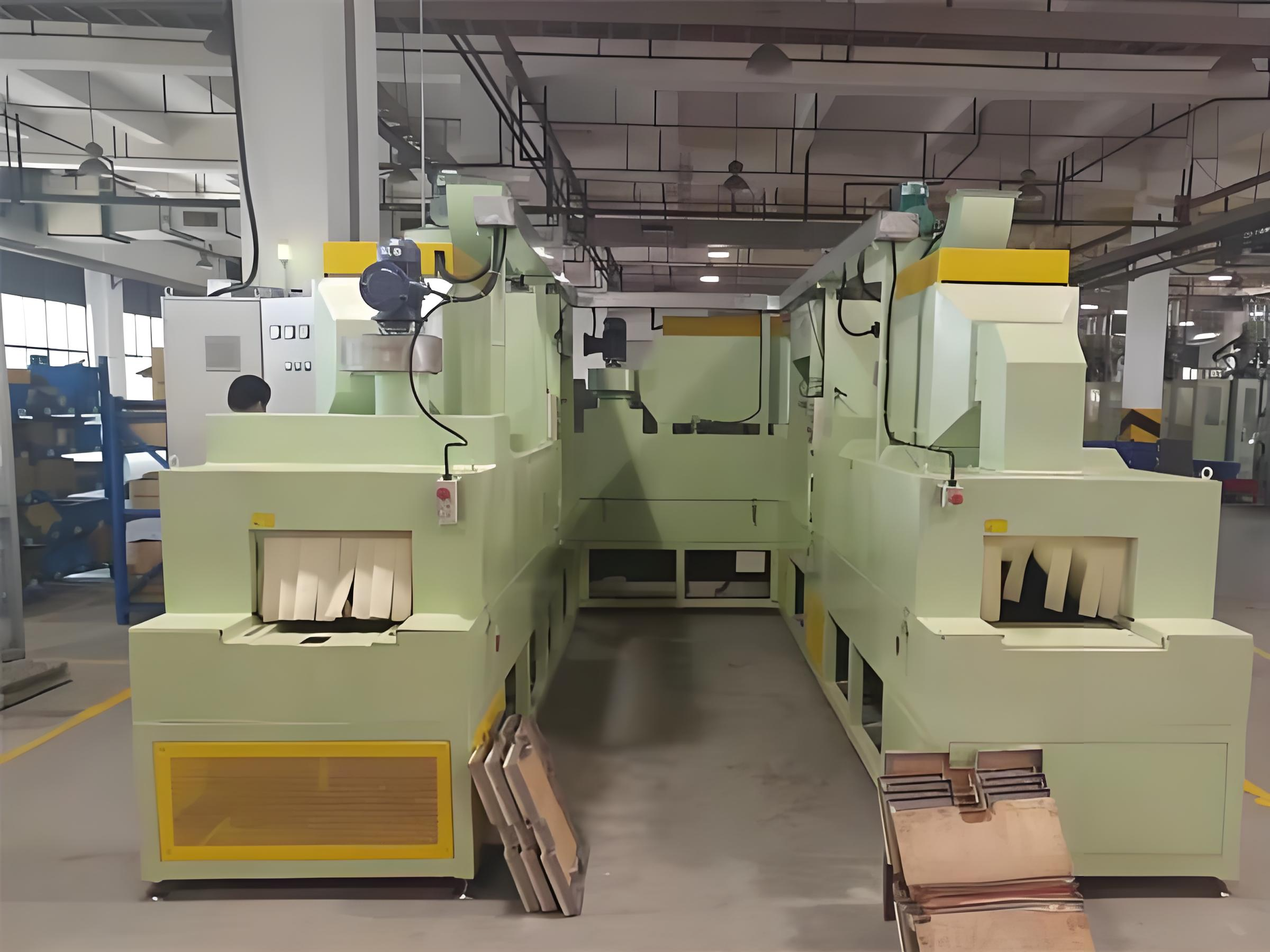
As production standards continue to rise and automation becomes more widespread, manufacturers are increasingly adopting advanced equipment such as the U-shaped spray adhesive drying oven to ensure stable, uniform, and energy-efficient curing performance.
Why Temperature Control Is So Important in Adhesive Curing
Adhesives are designed to cure within specific temperature ranges. Even small fluctuations can significantly affect performance.
If temperature control is unstable, manufacturers may face:
-
Uneven curing across components
-
Weak or inconsistent bonding strength
-
Surface defects such as blistering
-
Higher rejection rates
-
Longer production cycles
In high-volume production environments, these issues can quickly lead to increased costs and reduced efficiency.
A stable thermal environment ensures that every product receives the correct amount of heat for optimal curing results.
How Heat Affects Adhesive Performance
Industrial adhesives rely on controlled heat to activate chemical reactions that form strong, permanent bonds.
The curing process typically includes:
-
Solvent evaporation
-
Chemical cross-linking
-
Structural stabilization
-
Final bond formation
Each stage requires precise temperature control. Excess heat can damage adhesive integrity, while insufficient heat results in incomplete curing.
Therefore, maintaining a consistent thermal environment is essential for achieving reliable bonding performance.
Limitations of Traditional Drying Ovens
Conventional drying systems often struggle with uniform heat distribution, especially in large-scale production.
Common challenges include:
Temperature Imbalance
Hot and cold zones inside the oven lead to inconsistent curing results.
Energy Loss
Poor insulation and frequent door openings cause heat loss and higher energy consumption.
Limited Process Flexibility
Older systems lack intelligent control, making it difficult to adjust curing conditions for different adhesive types.
Large Equipment Footprint
Traditional straight-line ovens require significant floor space, limiting factory layout flexibility.
These limitations can negatively impact both product quality and operational efficiency.
Advantages of U-Shaped Spray Adhesive Drying Ovens
Modern designs, such as the U-shaped spray adhesive drying oven, address these issues through improved thermal engineering and compact structure.
1. Uniform Airflow Distribution
A forced hot-air circulation system ensures consistent heat throughout the chamber.
Benefits include:
-
Stable temperature across all zones
-
Reduced thermal fluctuations
-
Even heat penetration
-
Improved curing consistency
This ensures every workpiece is processed under identical conditions.
2. Multi-Zone Temperature Control
Different adhesive formulations require different curing profiles.
Multi-zone control allows manufacturers to:
-
Gradually adjust curing temperature
-
Optimize heat distribution
-
Adapt to different materials
-
Improve energy efficiency
This flexibility is essential for complex or multi-material production lines.
Improved Bond Quality and Product Performance
Stable temperature control directly enhances adhesive performance.
Stronger Bonding Strength
Proper curing allows full chemical cross-linking, resulting in stronger adhesion and improved mechanical stability.
Reduced Defects
Consistent heat reduces:
-
Air bubbles
-
Cracks
-
Delamination
-
Uneven surfaces
Longer Service Life
Products maintain performance even under vibration, humidity, and thermal stress.
Energy Efficiency and Sustainable Production
Modern drying ovens are designed not only for performance but also for energy optimization.
Heat Recovery Systems
Hot air is continuously recycled, reducing energy waste and improving thermal efficiency.
High-Performance Insulation
Advanced insulation materials minimize heat loss and stabilize internal temperatures.
Intelligent Temperature Control
Automated systems adjust heating parameters in real time to avoid unnecessary energy consumption.
These features help manufacturers reduce operating costs while supporting sustainable production goals.
Space-Saving U-Shaped Design
Factory floor space is increasingly valuable in modern production environments.
The U-shaped structure offers a compact alternative to traditional straight-line ovens.
Key advantages include:
-
Reduced equipment footprint
-
More efficient workshop layout
-
Easier integration into production lines
-
Shorter material handling paths
This makes it especially suitable for facilities with limited space.
Industrial Applications
The U-shaped adhesive drying oven is widely used across multiple industries.
Automotive Industry
-
Interior bonding
-
Soundproofing materials
-
Structural adhesives
-
Sealing components
Electronics Manufacturing
-
Component fixation
-
Thermal interface materials
-
Protective coatings
Home Appliances
-
Panel bonding
-
Insulation assembly
-
Decorative surface materials
Composite Materials
-
Structural bonding
-
Multi-layer material curing
-
High-strength assemblies
In all these applications, consistent curing ensures reliability and long-term performance.
CFD-Based Engineering for Better Performance
Advanced drying ovens often use Computational Fluid Dynamics (CFD) during the design stage.
CFD simulation helps engineers:
-
Analyze airflow behavior
-
Identify temperature imbalance areas
-
Optimize fan and vent design
-
Improve heat distribution efficiency
This results in a more stable and efficient curing system before production even begins.
Smart Manufacturing and Industry 4.0 Integration
Modern drying systems are increasingly integrated into intelligent manufacturing environments.
Typical features include:
-
Real-time temperature monitoring
-
Digital control interfaces
-
Production data tracking
-
Predictive maintenance alerts
-
Factory system connectivity
These capabilities improve transparency, efficiency, and process control across production lines.
Conclusion
Temperature consistency plays a decisive role in adhesive curing quality. Without stable heat control, manufacturers risk weak bonding, defects, and inconsistent product performance.
The U-shaped spray adhesive drying oven provides an advanced solution by combining uniform airflow design, multi-zone temperature control, energy-saving systems, and compact structure.
As industries continue moving toward higher efficiency, automation, and sustainability, precise thermal management will remain a key factor in ensuring reliable adhesive bonding and long-term manufacturing success.
www.wxlvye.com
Wuxi Green
About Author