Hydraulic technology remains an important part of modern industrial machinery because it can deliver high force, controlled movement, and reliable operation without requiring an excessively large mechanical structure. Hydraulic systems are widely used in woodworking equipment, metalworking machinery, presses, construction equipment, and automated production lines.
However, selecting a hydraulic system is not simply a matter of choosing the highest pressure or largest motor available. The hydraulic circuit needs to match the machine's load, movement, operating cycle, speed requirements, and control strategy. An improperly configured system can lead to unstable actuator movement, excessive heat, higher energy consumption, and more frequent maintenance.
For machinery manufacturers and equipment users, understanding the basic hydraulic system configurations and their applications can make equipment design and selection much more effective.
What Makes Up an Industrial Hydraulic System?
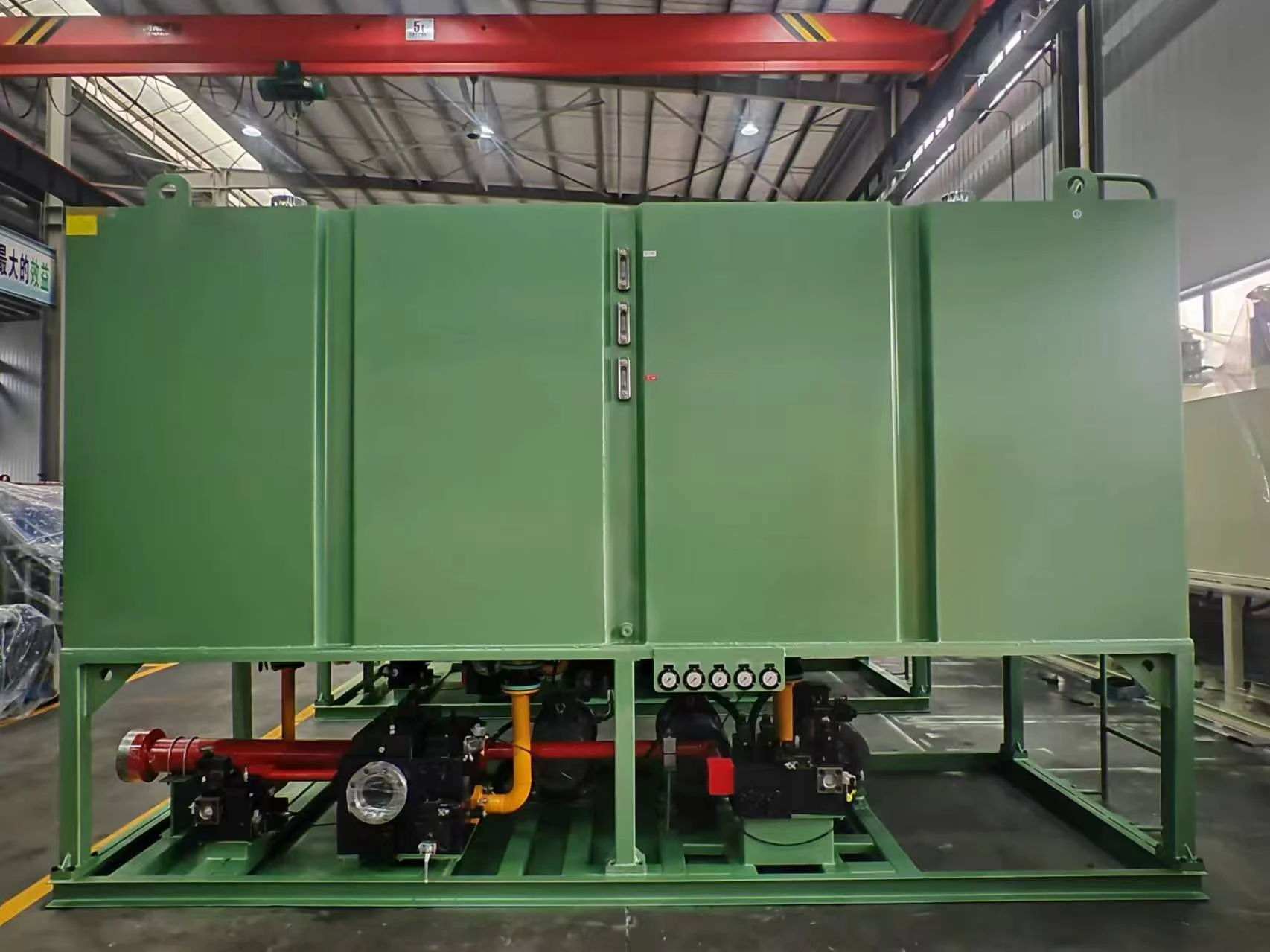
A typical hydraulic system consists of several major components, including a hydraulic pump, drive motor, oil reservoir, valves, filters, pipes or hoses, actuators, and control devices.
The pump converts mechanical energy into hydraulic energy by generating oil flow and pressure. Valves then regulate the direction, pressure, and flow of the hydraulic fluid, while cylinders or hydraulic motors convert that hydraulic energy into mechanical movement.
Although these components are relatively standard, their configuration can vary significantly depending on the application.
A basic lifting machine may only need a relatively simple circuit with directional and pressure-control valves. More advanced machinery may require proportional control, pressure compensation, electronic feedback, or a customized hydraulic power unit.
The objective should always be to achieve the required machine performance with a practical and maintainable hydraulic design.
Hydraulic Systems for Woodworking Equipment
Woodworking machinery provides a good example of why application-specific hydraulic design matters.
Equipment such as panel saws, flakers, woodworking presses, panel joining machines, and forming equipment may need high hydraulic force while maintaining consistent movement. During repeated production cycles, unstable pressure or inconsistent oil flow can affect positioning accuracy, pressing quality, and overall production efficiency.
A dedicated hydraulic systems solution can be configured according to the actual operating sequence of the woodworking machine.
For example, a machine may require rapid cylinder movement during the approach stage, controlled movement when contacting the workpiece, high pressure during pressing, and a faster return stroke afterward. Designing the hydraulic circuit around these stages can provide better control than operating every stage with the same pressure and flow conditions.
For woodworking machinery, engineers commonly consider:
-
Consistent pressing force
-
Stable cylinder movement
-
Controlled operating speed
-
Reduced hydraulic shock
-
Fast response between production stages
-
Reliable performance during repeated cycles
-
Convenient inspection and maintenance
These characteristics can have a direct impact on production consistency.
Pressure and Flow Are Not the Same Thing
One of the most common considerations when selecting hydraulic equipment is the relationship between pressure and flow.
Hydraulic pressure is associated with the force available from an actuator, while hydraulic flow primarily determines how quickly that actuator moves.
If the pressure is insufficient, a cylinder may not generate the required force. If the flow is too low, the machine may operate more slowly than expected. On the other hand, unnecessarily high pressure or excessive flow can increase energy losses and generate additional heat.
This means both parameters need to be considered together.
Pressure-control valves, relief valves, flow-control valves, and appropriately sized pumps can help the system deliver the required performance without continuously operating at unnecessarily high output levels.
When Should Proportional Hydraulic Control Be Used?
Not every machine requires sophisticated electronic hydraulic control. However, proportional hydraulic systems can be valuable when an application requires more precise control of pressure, flow, or actuator speed.
Consider a machine that needs to move a hydraulic cylinder through several stages. The cylinder may initially travel quickly, slow down before reaching the workpiece, apply a controlled force during processing, and then return quickly after the operation is complete.
A proportional hydraulic system can provide more flexible control over these different stages.
When proportional valves are combined with sensors and PLC-based controllers, the hydraulic system can become part of an automated machine-control architecture. This is particularly useful in production equipment where repeatability is important.
Understanding Load-Sensing Hydraulic Systems
Machines do not always require the same hydraulic output throughout their operating cycle. A load-sensing system is designed to respond more closely to actual demand.
Instead of continuously generating maximum hydraulic flow, the system can adjust its output according to the load condition. When demand is low, the hydraulic system can reduce unnecessary output. When the machine requires more force or flow, the system can respond accordingly.
This approach can be useful for machinery with variable operating loads.
Reducing unnecessary hydraulic output may also help control oil temperature and reduce energy losses. For equipment operating for extended shifts, better hydraulic power management can contribute to more stable thermal conditions and potentially reduce stress on hydraulic components.
Why Component Matching Matters
A hydraulic system should be treated as an integrated system rather than a collection of independent components.
For example, the pump needs to provide the required pressure and flow. The drive motor must be capable of supplying the necessary input power. Valves must be suitable for the expected operating pressure and flow rate, while cylinders need to provide the required force and stroke.
The reservoir, filtration system, hoses, seals, and fittings are equally important to overall reliability.
An oversized pump may generate unnecessary flow, heat, and energy consumption. An undersized pump may prevent the machine from achieving the required operating speed. Likewise, an undersized valve can create excessive pressure losses and restrict system performance.
For this reason, hydraulic engineering should begin with the machine's operating requirements rather than starting with individual component specifications.
Hydraulic Design for Continuous-Duty Machinery
Industrial equipment frequently operates for several hours per day and may run continuously across multiple shifts. Under these conditions, long-term reliability becomes just as important as initial hydraulic performance.
Several factors should be considered when designing a hydraulic system for continuous operation:
-
Hydraulic oil temperature
-
Contamination control
-
Seal durability
-
Component wear
-
Filtration efficiency
-
Heat dissipation
-
Maintenance accessibility
Oil cleanliness is especially important because contamination can accelerate wear in pumps, valves, and other precision components. Appropriate filtration and regular oil management can help maintain system performance.
Maintenance accessibility should also be considered during the initial design stage. Filters, gauges, valves, and other service components should be positioned so technicians can inspect or replace them without unnecessary machine disassembly.
Good maintenance design can significantly reduce downtime in production environments.
Why Customized Hydraulic Systems Can Be More Practical
Standard hydraulic power units are useful when machine requirements are relatively conventional. However, specialized machinery often has unique space limitations, operating cycles, control requirements, or actuator configurations.
A customized hydraulic system can be designed around the actual machine rather than forcing the machine to adapt to a standard hydraulic package.
During the design process, engineers may evaluate:
-
Required operating force
-
Maximum and working pressure
-
Required hydraulic flow
-
Cylinder size and stroke
-
Operating cycle
-
Required movement speed
-
Control method
-
Available installation space
-
Ambient operating conditions
-
Safety and maintenance requirements
This application-driven approach can be particularly useful for machinery manufacturers developing dedicated equipment or automated production systems.
Questions to Ask Before Selecting a Hydraulic System
Before purchasing or designing a hydraulic system, it is useful to establish the machine's actual operating conditions.
Manufacturers and users should consider questions such as:
-
What is the maximum required actuator force?
-
What pressure is needed during the main working stage?
-
What flow rate is required?
-
Does the machine require multiple operating speeds?
-
How frequently will the hydraulic cycle repeat?
-
Is proportional control necessary?
-
Will the system run continuously?
-
What are the expected ambient and oil temperatures?
-
How much installation space is available?
-
How will the system be inspected and maintained?
These answers can help determine whether a conventional hydraulic circuit, proportional hydraulic system, load-sensing design, or fully customized hydraulic power unit is the most appropriate option.
Hydraulic System Selection Should Start With the Machine
A reliable hydraulic solution should be designed around the machine's actual requirements rather than selected solely according to maximum specifications.
For woodworking machinery, for example, the system needs to provide stable force and repeatable movement throughout different stages of the production cycle. For automated equipment, the hydraulic circuit may also need to communicate with sensors, PLCs, and other control systems.
The best hydraulic system is therefore not necessarily the most powerful or complicated one. It is the system that provides the required pressure, flow, movement, control, and reliability while remaining practical to operate and maintain.
As industrial machinery becomes more automated and production requirements become more demanding, application-specific hydraulic engineering will continue to play an important role. By properly matching pumps, valves, actuators, controls, and filtration systems to the machine, manufacturers can build equipment that operates more consistently and supports long-term production performance.
www.kinyuenhydraulic.com
Jiangsu kinyuan
About Author