Earphones have become part of everyday life. People use them while commuting, working, studying, exercising, gaming, and relaxing at home. As usage scenarios continue to expand, consumers expect more than basic audio playback. They want clear sound, reliable communication, comfortable wearing, and effective control of surrounding noise.
This growing demand has made noise cancelling technology an important feature in modern earphone development. By reducing unwanted environmental sounds and improving audio clarity, noise cancelling earphones can create a more focused and comfortable listening environment.
For brands and manufacturers, however, developing competitive earphones involves much more than adding a noise reduction function. Audio chips, circuit design, acoustic tuning, power consumption, microphone performance, and product integration all influence the final user experience.
Aoxingao Technology provides customized electronic technology solutions for audio products, supporting customers with audio ICs, circuit design, acoustic optimization, and technical development services.
Why Noise Cancelling Matters in Everyday Earphones
Modern users encounter background noise almost everywhere.
Common environments include:
-
Subway stations
-
Airports
-
Offices
-
Roads
-
Shopping centers
-
Gyms
-
Classrooms
-
Outdoor activity areas
In these environments, background noise can interfere with music, podcasts, online courses, and voice calls.
Users may respond by increasing the volume, but excessive volume is not an ideal long-term solution. A better approach is to reduce unwanted environmental noise at the system level.
This is where noise cancelling earphones provide an advantage. By combining microphones, signal processing, audio circuitry, and acoustic design, manufacturers can create earphones that deliver clearer audio in noisy surroundings.
Understanding Active Noise Cancellation
Active Noise Cancellation, commonly known as ANC, uses electronic processing to reduce unwanted ambient sound.
Microphones inside or outside the earphone detect surrounding noise. The audio system then analyzes the detected signal and produces a corresponding cancellation signal.
ANC is particularly useful for relatively continuous sounds, such as:
-
Aircraft engine noise
-
Train and subway sounds
-
Road traffic
-
Air conditioning
-
Machinery background noise
The effectiveness of ANC depends on many factors, including microphone positioning, signal-processing performance, acoustic structure, and algorithm optimization.
Therefore, simply installing an ANC chip does not automatically guarantee excellent noise cancellation. The complete earphone system needs to be properly designed and tuned.
Passive Noise Isolation Still Plays an Important Role
Electronic noise cancellation is only one part of the overall solution.
The physical structure of an earphone also affects how much external noise reaches the user's ears. This is known as passive noise isolation.
Factors such as:
-
Earbud shape
-
Ear tip material
-
Housing structure
-
Fit and sealing
-
Acoustic chamber design
can influence passive isolation.
For this reason, a well-designed noise cancelling earphone generally combines active noise cancellation with effective passive noise isolation.
This combination allows electronic processing and physical design to work together rather than relying on one technology alone.
High-Quality Audio Requires More Than Noise Reduction
Reducing background noise is important, but users still expect natural and detailed sound.
A competitive earphone needs to consider:
-
Bass response
-
Mid-frequency clarity
-
High-frequency detail
-
Audio balance
-
Voice reproduction
-
Distortion control
-
Audio synchronization
If noise cancellation is strong but the audio itself sounds unnatural, the overall listening experience may still be disappointing.
Professional audio processing technology helps manufacturers balance these requirements.
Aoxingao Technology develops audio-related electronic solutions designed to support high-quality sound processing for different earphone applications.
The Role of Audio ICs in Earphone Development
An earphone may look like a relatively small electronic product, but it contains multiple technologies working together.
Audio ICs can influence important functions such as:
-
Audio signal processing
-
Interface communication
-
Power management
-
Sound effect processing
-
Noise reduction
-
Device compatibility
Aoxingao Technology provides audio IC solutions and technical resources for customized earphone development.
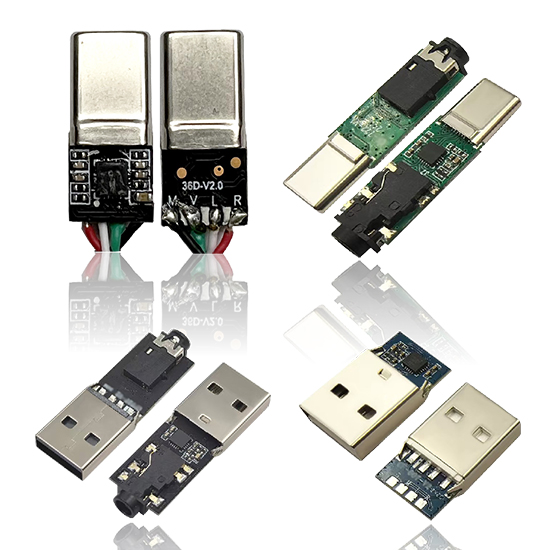
For example, its solutions for wired earphones support Lightning and USB-C interface applications. The company also provides reference circuit designs and related technical resources to help manufacturers integrate audio functions into their products.
This type of technical support can shorten development cycles and make product optimization more efficient.
Acoustic Tuning Is Essential for Better Sound
Even with a high-performance audio chip, the final sound quality depends heavily on acoustic design.
Different earphone structures can produce different sound characteristics. Housing dimensions, speaker components, acoustic chambers, and internal materials all affect the final output.
Therefore, acoustic tuning is an important stage in earphone development.
Manufacturers may need to optimize:
-
Frequency response
-
Bass performance
-
Vocal clarity
-
Sound balance
-
Noise reduction performance
-
Microphone pickup quality
A combination of electronic engineering and acoustic adjustment allows manufacturers to achieve more consistent product performance.
Noise Cancelling Earphones for Commuting
Commuting is one of the most common applications for noise cancelling earphones.
Train and subway environments contain continuous background sounds that can interfere with music and voice content.
ANC earphones can help reduce these distractions, allowing users to listen at a more comfortable volume.
For commuters, additional features such as lightweight construction, convenient controls, stable connectivity, and long operating time can further improve daily usability.
Improving Audio Quality for Online Learning
Online education and remote learning have increased the demand for reliable personal audio devices.
Students may use earphones to attend:
-
Online classes
-
Video lectures
-
Language courses
-
Training programs
-
Live educational sessions
Clear voice reproduction is especially important for educational content.
Noise reduction can also help users concentrate when studying in shared homes, dormitories, offices, or other environments with background activity.
Supporting Remote Work and Business Communication
Earphones have also become important tools for remote work.
Online meetings require clear communication between participants. Background noise from keyboards, conversations, traffic, and air conditioning can affect call quality.
Modern earphone designs increasingly use microphone processing and noise reduction technologies to improve voice transmission.
For business users, useful features may include:
-
Clear microphone pickup
-
Background noise reduction
-
Stable audio transmission
-
Comfortable long-term wearing
-
Easy call controls
These functions turn earphones from simple entertainment products into practical communication tools.
Gaming Applications Require Fast Audio Response
Gaming is another major application for advanced earphones.
Players often rely on audio information to understand what is happening around them. Footsteps, environmental sounds, voice communication, and other audio signals can influence gameplay.
For gaming products, manufacturers may need to focus on:
-
Low audio latency
-
Accurate sound positioning
-
Clear voice communication
-
Stable audio transmission
-
Balanced sound reproduction
The challenge is to achieve these functions without adding unnecessary complexity or excessive power consumption.
Outdoor Sports and Fitness Applications
Earphones used for sports need to balance audio performance with portability and usability.
Users may wear earphones while:
-
Running
-
Cycling
-
Walking
-
Training
-
Exercising outdoors
Compact construction, stable wearing, convenient controls, and reliable communication are important considerations.
Depending on the application, manufacturers may also need to consider environmental factors such as sweat, moisture, dust, and temperature changes.
Why Customized Technology Matters for Earphone Brands
The earphone market is highly competitive. Many products offer similar basic functions, so product differentiation increasingly depends on technology and user experience.
A customized development approach allows brands to optimize products around their specific target markets.
Potential customization areas include:
-
Audio IC selection
-
Circuit architecture
-
PCB layout
-
Audio algorithms
-
Sound effects
-
Acoustic tuning
-
Interface configuration
-
Power management
For OEM and ODM customers, technical support throughout the development process can be especially valuable.
Aoxingao Technology focuses on customized electronic product technology solutions, helping customers address different requirements rather than relying entirely on standardized configurations.
What Manufacturers Should Consider When Developing Noise Cancelling Earphones
Before selecting an electronic solution, manufacturers should evaluate the complete product requirement.
1. Target Application
Is the earphone designed for commuting, gaming, business communication, education, sports, or general entertainment?
Different scenarios require different priorities.
2. Audio Performance
Determine the required sound quality, frequency response, microphone performance, and audio processing functions.
3. Noise Reduction Requirements
Consider whether the product requires ANC, passive isolation, microphone noise reduction, or a combination of technologies.
4. Power Consumption
For portable products, power efficiency directly affects battery life and user convenience.
5. Interface Compatibility
The selected electronic solution should be compatible with the intended connection method and host devices.
6. Product Size
Compact electronic components can help manufacturers optimize the internal structure of smaller earphones.
7. Development Support
Reference circuits, SDK resources, engineering assistance, and acoustic debugging support can help reduce development difficulties.
The Future of Noise Cancelling Earphone Technology
Noise cancelling technology will continue to evolve as users demand more personalized and intelligent audio experiences.
Future developments may include:
-
More accurate environmental noise recognition
-
Improved adaptive ANC
-
Lower power consumption
-
Better voice enhancement
-
Personalized sound profiles
-
Smarter interaction with mobile devices
-
Improved real-time audio processing
Earphones are gradually becoming multifunctional personal devices rather than simple audio accessories.
The integration of audio processing, communication, intelligent algorithms, and compact electronic components will continue to create new possibilities for the industry.
Why Technical Partnerships Matter
For earphone brands, selecting the right technology partner can influence development efficiency and final product performance.
A reliable technology provider should offer more than individual components. It should understand the relationship between chips, circuits, acoustic structures, algorithms, and the final user experience.
Aoxingao Technology combines electronic technology development with customized audio solutions. Its technical support covers audio IC integration, reference circuit design, sound effect resources, PCB layout guidance, and acoustic debugging.
This integrated approach can help manufacturers develop products that are better matched to their target applications.
Conclusion
Noise cancelling earphones are becoming increasingly important as people spend more time communicating, studying, working, gaming, and consuming digital content in noisy environments.
Effective noise cancellation requires more than a single electronic component. ANC technology, passive noise isolation, audio processing, acoustic tuning, microphone performance, circuit design, and power management all contribute to the final product.
For earphone manufacturers and brands, customized technology solutions provide greater flexibility when developing products for different markets and applications.
By combining advanced audio IC technology, professional engineering support, and acoustic optimization, Aoxingao Technology helps customers develop earphone products focused on clear sound, reliable communication, and practical user experiences. As personal audio continues to evolve, better technology integration will remain a key factor in creating the next generation of noise cancelling earphones.
www.axasci.com
AXA Technology
About Author