If you are searching for industrial plasma equipment, you are likely facing one or more of these problems:
Poor adhesion between materials
Oil, dust, or oxide layers affecting bonding
High scrap rates in coating or sealing processes
Inconsistent surface quality
Difficulty meeting customer reliability standards
Many factories try chemical cleaning, sanding, or corona treatment, but results are unstable or not strong enough.
This is where industrial plasma equipment becomes important.
This guide explains how industrial plasma equipment works, how to choose the right system, and how to apply it in real manufacturing environments.
What Is Industrial Plasma Equipment and Why It Matters
Industrial plasma equipment is used for surface treatment. It changes the surface properties of materials without damaging the bulk material.
Instead of using chemicals, plasma uses ionized gas to clean, activate, or modify surfaces.
Why Manufacturers Use Industrial Plasma Equipment
Industrial plasma equipment is widely used because it can:
Remove organic contamination
Eliminate thin oxide layers
Increase surface energy
Improve adhesion strength
Prepare surfaces before bonding or coating
For many industries, it directly improves yield and product reliability.
How Industrial Plasma Equipment Solves Common Manufacturing Problems
How It Improves Adhesion
When bonding plastics, metals, or glass, poor adhesion often causes failure.
Industrial plasma equipment increases surface energy, allowing adhesives or coatings to spread evenly. This creates stronger molecular bonding.
How It Removes Oil and Contaminants
Even small amounts of oil or dust can reduce bonding strength.
Plasma treatment removes organic contamination without solvents, making the process clean and stable.
How It Reduces Scrap Rates
Inconsistent surface preparation leads to defective products.
Industrial plasma equipment provides repeatable treatment results, helping factories maintain stable production quality.
How to Choose the Right Industrial Plasma Equipment
Selecting industrial plasma equipment is not only about price. Buyers must match equipment type with application needs.
Step 1 Understand Your Material Type
Different materials react differently to plasma:
Plastics like PP, PE, ABS
Metals and alloys
Glass and ceramics
Composite materials
Always confirm material compatibility before purchasing industrial plasma equipment.
Step 2 Decide Between Vacuum and Atmospheric Plasma
There are two main types of industrial plasma equipment.
Vacuum Plasma Equipment
Works inside a chamber
Offers highly controlled environment
Suitable for electronics, medical devices, and precision optics
Atmospheric Plasma Equipment
Works in open air
Easy to integrate into production lines
Suitable for automotive and large components
Your production volume and process control requirements will determine which industrial plasma equipment is best.
Step 3 Evaluate Automation Requirements
Modern factories require automation.
Check whether the industrial plasma equipment supports:
Inline integration
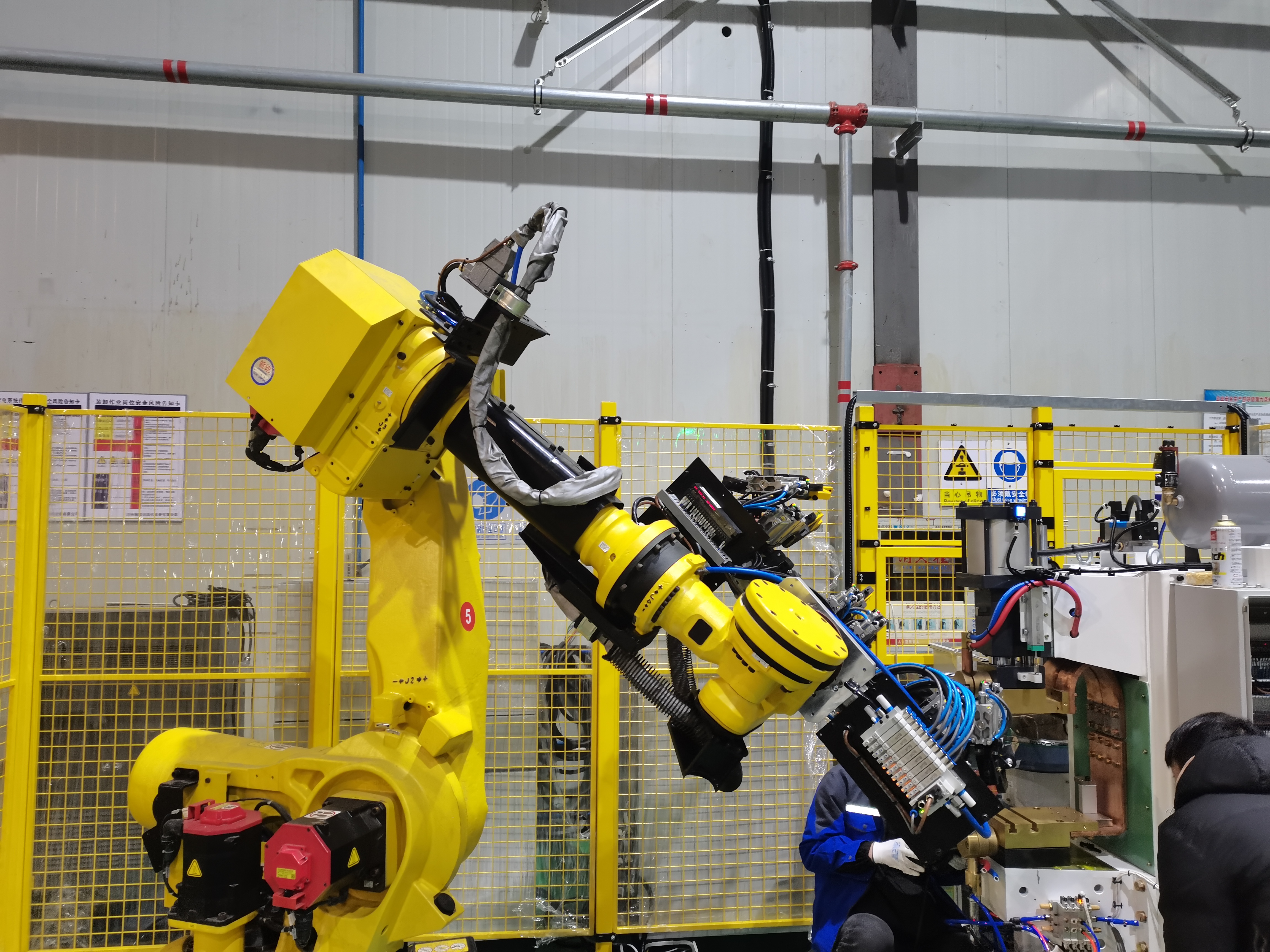
Robotic arms
PLC control systems
Data monitoring
Automation increases production efficiency and reduces labor costs.
How Industrial Plasma Equipment Is Applied in Different Industries
Industrial plasma equipment is used across many sectors.
Electronics Manufacturing
Used for:
PCB cleaning
Surface activation before bonding
Semiconductor component preparation
Medical Devices
Used for:
Surface modification
Adhesion improvement
Clean surface preparation
Automotive Industry
Used for:
Plastic bonding
Sealing surfaces
Coating preparation
Optical and Display Industry
Used for:
Lens cleaning
Filter surface activation
Coating adhesion enhancement
Industrial Plasma Equipment Application Overview
| Industry | Main Application | Type of Industrial Plasma Equipment | Key Benefit |
|---|---|---|---|
| Electronics | PCB cleaning | Vacuum plasma | High precision |
| Medical devices | Surface activation | Vacuum plasma | Clean and controlled |
| Automotive | Plastic bonding | Atmospheric plasma | Inline capability |
| Optics | Lens preparation | Vacuum plasma | Uniform treatment |
| General manufacturing | Adhesion improvement | Atmospheric plasma | Flexible integration |
This table helps buyers understand how industrial plasma equipment matches different production needs.
How to Evaluate an Industrial Plasma Equipment Supplier
Choosing the right equipment also means choosing the right manufacturer.
Check Technical Capability
A strong supplier should provide:
Application testing
Process parameter support
Engineering customization
Review Industry Experience
Ask for:
Customer references
Case studies
Industry certifications
An experienced industrial plasma equipment manufacturer understands real production challenges.
Assess After-Sales Support
Good support includes:
Installation guidance
Operator training
Maintenance service
Spare parts availability
Industrial plasma equipment is a long-term investment. Reliable support protects your production line.
How to Calculate the Return on Investment
Industrial plasma equipment may require initial investment, but long-term benefits include:
Reduced scrap
Stronger adhesion
Improved product reliability
Lower chemical usage
Better environmental compliance
When evaluating ROI, consider total cost of ownership, not only purchase price.
How to Integrate Industrial Plasma Equipment into Your Production Line
Integration planning is critical.
Layout Planning
Ensure enough space for:
Power supply
Gas supply
Maintenance access
Process Validation
Before full production, conduct:
Sample testing
Adhesion strength measurement
Surface energy testing
Staff Training
Operators should understand:
Basic plasma principles
Safety procedures
Maintenance requirements
Proper training ensures stable long-term performance of industrial plasma equipment.
How Industrial Plasma Equipment Supports Future Manufacturing Trends
Modern manufacturing demands:
Higher automation
Cleaner processes
Sustainable production
Industrial plasma equipment meets these trends because it:
Reduces chemical waste
Improves production efficiency
Supports precision engineering
As materials evolve and products become more complex, industrial plasma equipment will remain an important surface treatment solution.
Final Thoughts on How to Use Industrial Plasma Equipment Effectively
If you are evaluating industrial plasma equipment, focus on:
Application compatibility
Equipment stability
Automation capability
Supplier technical strength
Industrial plasma equipment is not just a machine. It is a surface engineering solution that directly impacts product quality and production efficiency.
By selecting the right equipment and applying it correctly, manufacturers can reduce defects, improve adhesion, and achieve stable long-term growth.
https://www.ok-sun.com/Products
OKSUN
About Author