Forestry management and landscaping projects often generate large volumes of wood waste, including branches, trunks, roots, and construction debris. Managing this material efficiently is an ongoing challenge for forestry companies, municipal maintenance teams, and landscaping contractors. Without the right equipment, wood waste can accumulate quickly, increasing labor costs and reducing operational efficiency.
Wood shredders provide a practical solution for processing this material into manageable pieces. By reducing bulky wood waste into smaller fragments, these machines help streamline disposal, recycling, and reuse processes. Manufacturers like Beisier develop advanced shredding equipment designed to handle heavy-duty wood processing tasks. Equipment such as the wood shredder plays an important role in improving productivity in forestry and landscaping operations.
Understanding Wood Shredders
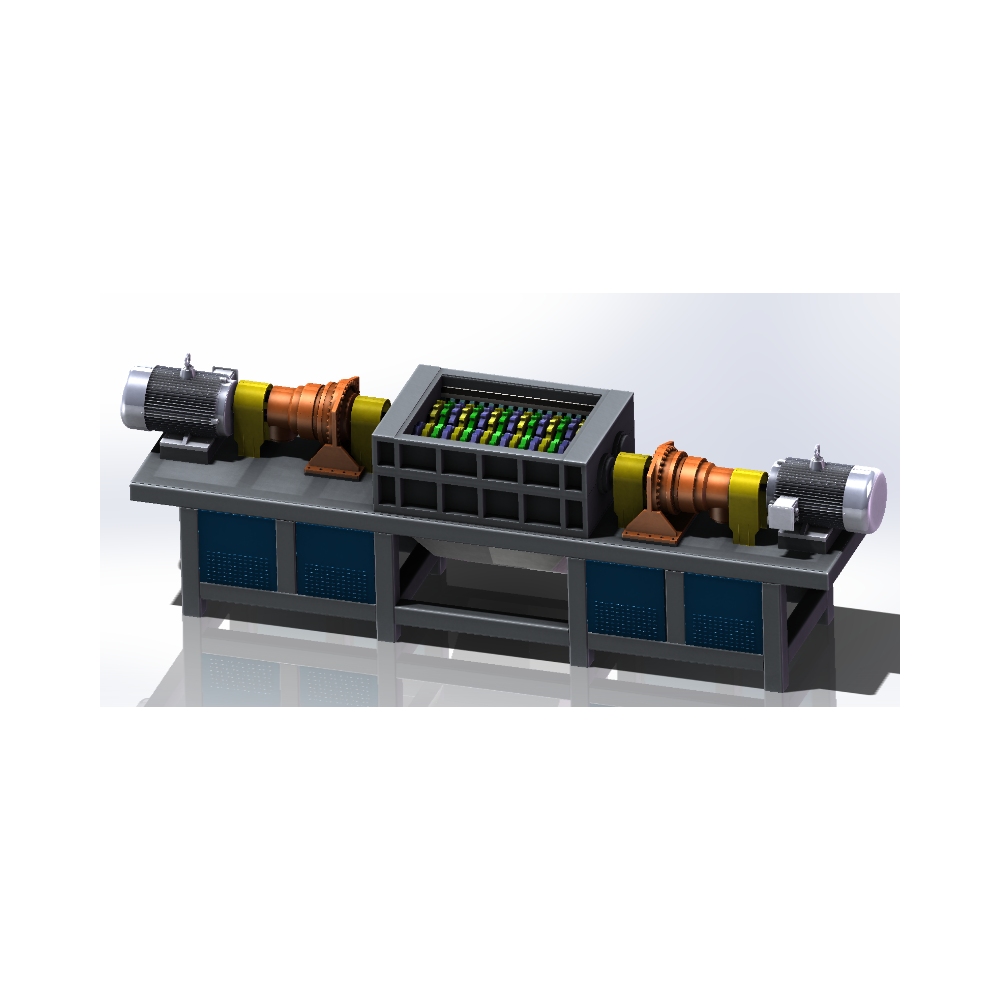
A wood shredder is a machine designed to break down large pieces of wood into smaller chips or shredded fragments. The equipment typically uses rotating blades, cutters, or shredding shafts that apply mechanical force to process the material.
Wood shredders are commonly used to process:
Tree branches
Wood logs
Pallets and wooden packaging
Forestry residues
Landscaping debris
The resulting shredded material can be reused for mulch, biomass fuel, composting, or easier transportation.
Reducing Manual Labor in Wood Waste Processing
One of the biggest challenges in forestry and landscaping is handling large quantities of wood debris. Manual cutting and handling can be time-consuming and physically demanding.
Wood shredders significantly reduce manual workload by automating the breakdown of large materials. Instead of workers manually cutting branches into smaller pieces, the shredder performs the task quickly and consistently.
Benefits include:
Reduced physical labor for workers
Faster processing of large volumes of material
More efficient cleanup operations
This improvement allows teams to focus on higher-value tasks such as site management and tree maintenance.
Improving Transportation Efficiency
Large wood debris takes up significant space during transportation. Branches and logs can be bulky and difficult to load onto trucks or trailers.
Shredding wood before transport reduces its volume substantially. Smaller pieces can be packed more efficiently, allowing more material to be transported in a single trip.
This improves logistics in several ways:
Reduced transportation frequency
Lower fuel consumption
More efficient use of storage space
For forestry companies that operate across large areas, these improvements can significantly reduce operational costs.
Supporting Sustainable Waste Management
Wood shredders play an important role in sustainable forestry and landscaping practices. Instead of sending wood waste to landfills, shredded material can be repurposed in various ways.
Common uses for shredded wood include:
Mulch for landscaping and gardening
Biomass fuel for energy production
Raw material for particleboard or composite productsComposting material for soil improvement
By transforming waste into usable resources, wood shredders contribute to circular economy practices.
Enhancing Site Cleanliness and Safety
Accumulated wood debris can create safety hazards on forestry or landscaping sites. Loose branches and wood piles may obstruct pathways or increase the risk of accidents.
Using a wood shredder helps maintain a cleaner work environment by processing debris immediately.
Advantages include:
Safer workspaces with fewer obstacles
Reduced fire hazards from dry wood piles
Improved organization of work areas
Cleaner worksites also improve efficiency by allowing workers and equipment to move more freely.
High-Capacity Processing for Large Projects
Large forestry operations and landscaping projects require equipment capable of processing significant volumes of wood waste.
Industrial wood shredders are designed with powerful motors and durable cutting mechanisms to handle heavy-duty workloads.
Features often include:
High-torque shredding shafts
Heavy-duty steel cutting blades
Large feeding openings
Continuous operation capability
These features allow the equipment to process logs, roots, and thick branches that smaller machines cannot handle.
Versatility Across Multiple Industries
While wood shredders are commonly used in forestry and landscaping, their applications extend to several other industries.
Examples include:
Construction waste recycling
Wood product manufacturing
Pallet recycling facilities
Agricultural operations
This versatility makes wood shredders a valuable investment for businesses that regularly handle wood-based materials.
Improving Workflow Efficiency
Efficient equipment plays a critical role in maintaining smooth operations. When wood waste can be processed quickly on-site, teams spend less time dealing with debris management.
Shredders support efficient workflows by:
Allowing continuous processing of wood waste
Reducing delays caused by debris accumulation
Simplifying disposal and recycling processes
With faster waste management, projects can progress without unnecessary interruptions.
Durability for Demanding Environments
Forestry and landscaping operations often take place in demanding environments where equipment must withstand dust, moisture, and heavy loads.
Industrial wood shredders are built with durable materials and reinforced structures to ensure long-term performance.
Key durability features include:
Reinforced steel frames
Wear-resistant cutting components
Reliable drive systems
Robust safety mechanisms
These characteristics allow the machines to operate reliably even under intensive working conditions.
Why Choose Beisier Wood Shredders
Beisier specializes in industrial shredding equipment designed for efficient wood processing. Their machines are engineered to handle heavy workloads while maintaining reliable performance.
Advantages of Beisier wood shredders include:
Strong and durable machine construction
Efficient cutting and shredding mechanisms
Reliable operation for industrial environments
Suitable solutions for forestry, landscaping, and recycling industries
By providing high-performance shredding equipment, Beisier helps businesses manage wood waste more efficiently and sustainably.
Conclusion
Wood shredders are essential tools for improving efficiency in forestry and landscaping operations. By reducing large wood debris into manageable fragments, these machines simplify transportation, enhance site safety, and support sustainable waste management.
From processing tree branches to recycling wooden pallets, wood shredders provide versatile solutions for a wide range of industries. Their ability to automate waste handling and improve workflow efficiency makes them a valuable asset for businesses dealing with large volumes of wood materials.
With durable equipment and advanced shredding technology from manufacturers like Beisier, organizations can achieve more efficient operations while contributing to environmentally responsible resource management.
www.bsr-wood.com
Beisier
About Author