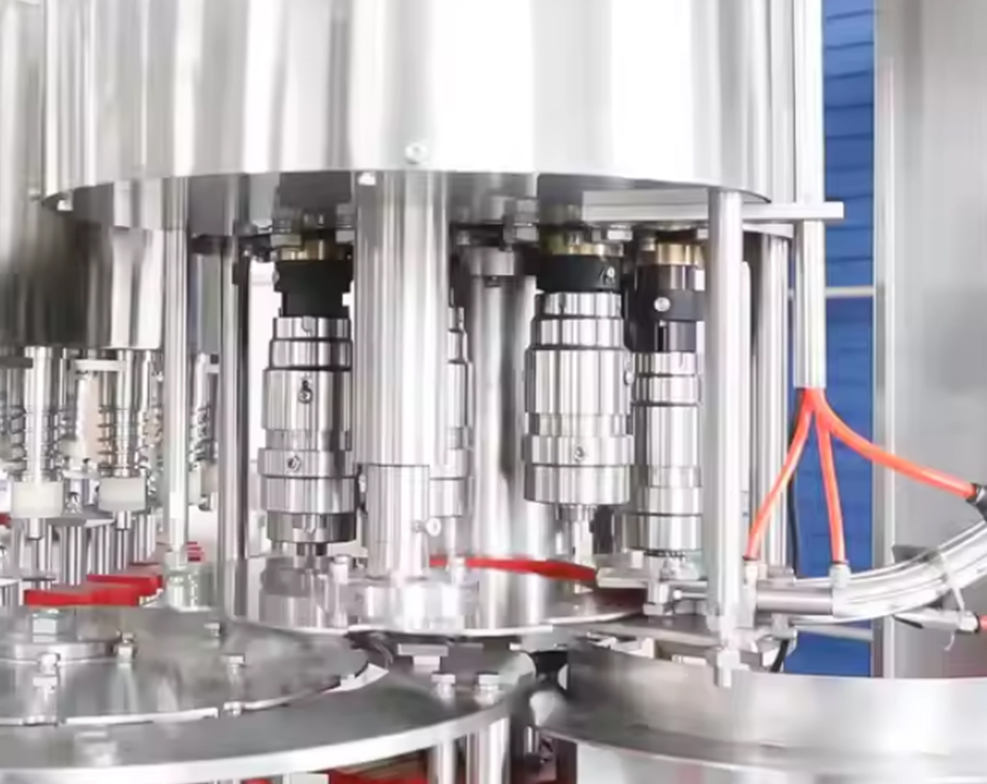
In today’s beverage industry, hygiene is not just a regulatory requirement—it is a critical factor for product quality, brand reputation, and consumer safety. Water filling machines, as the central equipment in bottled water and liquid production lines, play a pivotal role in maintaining these standards. Ensuring that machines are designed with proper hygiene principles reduces contamination risks, improves efficiency, and supports long-term operational reliability.
This article explores the hygienic design standards for modern water filling machines and demonstrates how Zhangjiagang Runbo Electromechanical Co., Ltd. incorporates these principles into practical equipment solutions for the beverage, dairy, and liquid product sectors.
Why Hygienic Design Matters in Beverage Production
Water and other beverages are highly susceptible to microbial contamination if production equipment is not designed and maintained according to hygiene standards. Contaminated water can lead to:
-
Product recalls and regulatory penalties
-
Loss of consumer trust
-
Shortened shelf life
-
Increased production waste
High-quality water filling machines mitigate these risks by combining structural design, material selection, and operational control to create a hygienic environment from bottle rinsing to filling and capping.
Key Hygienic Design Principles
1. Food-Grade Materials
Machines in beverage production must use materials that are non-reactive, corrosion-resistant, and safe for contact with consumable liquids. Stainless steel, particularly grades 304 and 316, is widely adopted due to its:
-
Resistance to corrosion from water and cleaning agents
-
Smooth surface finish that minimizes microbial adhesion
-
Durability for long-term production
Runbo water filling machines utilize food-grade stainless steel components throughout critical contact areas, ensuring compliance with hygiene standards.
2. Smooth, Crevice-Free Surfaces
Bacteria and residues tend to accumulate in sharp edges, joints, and crevices. Modern hygienic design emphasizes:
-
Rounded corners on internal surfaces
-
Welded joints that are smooth and easy to clean
-
Polished interiors to prevent fluid stagnation
These design measures reduce contamination risks and simplify cleaning procedures, maintaining high production standards consistently.
3. Easy Access for Cleaning and Maintenance
Hygienic design also requires that components are accessible for routine cleaning and inspection. Features include:
-
Removable filling valves and nozzles
-
Quick-release or modular capping and rinsing components
-
Accessible conveyor belts and bottle guides
Quick disassembly allows cleaning teams to thoroughly sanitize all contact points without extended downtime, ensuring machines remain in optimal condition.
4. Integrated Rinsing, Filling, and Capping Systems
Integration is a critical factor in hygienic design. By synchronizing bottle rinsing, filling, and capping within a single machine:
-
Exposure to the environment is minimized
-
Bottles pass through fewer touchpoints, reducing contamination risks
-
Process consistency is improved
Zhangjiagang Runbo Electromechanical Co., Ltd. designs integrated systems that support smooth, hygienic transitions between each stage of production.
5. Controlled Environment and Closed Systems
Closed filling systems reduce the risk of airborne contamination and environmental exposure. This includes:
-
Enclosed bottle handling during rinsing and filling
-
Protective covers over critical components
-
Sealed product pathways
These features are particularly important for sensitive beverages, including mineral water, milk, and carbonated drinks, where microbial contamination can quickly compromise quality.
6. Compliance with Regulatory Standards
Hygienic design must meet both local and international food safety regulations, such as:
-
FDA (Food and Drug Administration) requirements
-
HACCP (Hazard Analysis and Critical Control Points) guidelines
-
ISO 22000 and other quality management systems
Machines designed with compliance in mind reduce regulatory risk and simplify certification processes for manufacturers.
7. Automation and Reduced Human Contact
Automation enhances hygiene by minimizing human contact with bottles and liquids. Fully automated water filling machines manage:
-
Rinsing cycles
-
Precise filling volumes
-
Cap placement and torque
Automation ensures consistent hygiene standards, while also improving efficiency and reducing labor dependency.
Runbo’s Hygienic Water Filling Solutions
Zhangjiagang Runbo Electromechanical Co., Ltd. is a high-tech enterprise specializing in the research, development, production, and sales of filling equipment. Runbo’s product range emphasizes hygienic design while maintaining high efficiency, including:
-
Water filling machines
-
3 & 5-gallon filling machines
-
Carbonated beverage filling machines
-
Liquid filling machines
-
Milk filling machines
All systems are designed to meet modern hygiene standards while providing reliable, high-speed operation. Their modular and integrated structure allows easy cleaning and maintenance without compromising production capacity.
For detailed product specifications and application scenarios, visit:
Runbo water filling machines and liquid filling solutions
Best Practices for Maintaining Hygienic Standards
Even the best-designed machines require consistent operational practices to maintain hygiene:
-
Implement a regular cleaning and sanitation schedule
-
Inspect and replace worn or contaminated components promptly
-
Train operators on hygiene protocols and proper handling
-
Monitor production lines for potential contamination points
Following these practices ensures that Runbo machines operate at peak efficiency while safeguarding product quality.
Conclusion
Hygienic design is a cornerstone of modern water filling machines in the beverage industry. By combining food-grade materials, smooth surfaces, accessibility, integration, and automation, manufacturers can produce safe, high-quality beverages consistently.
Zhangjiagang Runbo Electromechanical Co., Ltd. integrates these principles into its filling solutions, supporting beverage and liquid product manufacturers with equipment that meets hygiene standards, improves efficiency, and reduces operational risks. Investing in a hygienic, well-designed water filling machine is essential for long-term production stability and consumer trust.
www.runbo-fillingmachine.com
RUNBO
About Author