As electrical and industrial equipment continues to become more compact and powerful, thermal management and electrical safety are becoming increasingly important. Components operating under high electrical loads or elevated temperatures require insulation materials that can maintain their physical and electrical properties over long periods of use.
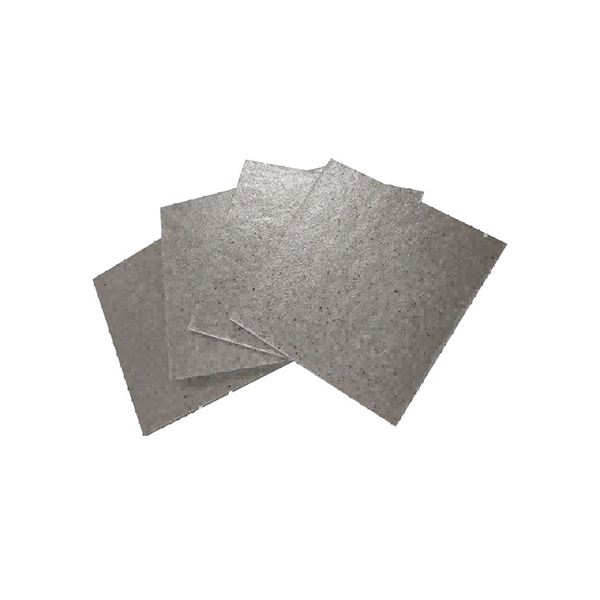
For applications where conventional insulation materials may soften, deform, or lose performance under heat, industrial grade mica sheet provides a dependable alternative. Combining excellent electrical insulation with strong thermal stability, mica sheet is widely used in heating elements, electrical equipment, household appliances, furnaces, and other industrial systems.
The growing demand for high-performance insulation also makes material consistency and supply reliability important considerations for equipment manufacturers. PT. UNIKATAMA INDO PERKASA supplies engineering plastics and insulation materials for industrial customers, supported by manufacturing resources from its China headquarters and an international supply network.
What Is Industrial Grade Mica Sheet?
Mica is a naturally occurring mineral known for its excellent electrical and thermal properties. Industrial mica sheets are manufactured by processing mica materials and combining them with suitable bonding systems to produce rigid or flexible insulation products for different applications.
Depending on the specific construction and grade, mica-based insulation can provide a combination of:
-
High-temperature resistance
-
Excellent dielectric strength
-
Low electrical conductivity
-
Good dimensional stability
-
Low thermal conductivity
-
Resistance to aging
-
Good chemical stability
This combination makes mica particularly useful when electrical insulation and heat resistance are required at the same time.
Why High-Temperature Insulation Is Important
Heat is one of the major causes of insulation degradation.
When electrical equipment operates continuously, heat generated by electrical resistance and surrounding components can gradually affect insulation materials. If the insulation becomes brittle, deforms, or loses its dielectric properties, the risk of electrical failure increases.
High-quality mica sheet is designed to retain its insulating characteristics under demanding thermal conditions.
This can help equipment manufacturers address several challenges, including:
-
Insulation breakdown
-
Thermal deformation
-
Electrical leakage
-
Premature component failure
-
Frequent maintenance
For equipment designed for continuous high-temperature operation, choosing an appropriate insulation material at the design stage can significantly improve long-term reliability.
Key Benefits of Industrial Grade Mica Sheet
Excellent Electrical Insulation
Electrical insulation is the primary reason mica materials are used in many industrial applications.
Mica has naturally strong dielectric properties, allowing mica-based sheets to electrically isolate heating elements, conductors, and other components.
This makes them suitable for applications where insulation must remain stable while exposed to elevated temperatures.
Typical applications include:
-
Heating elements
-
Electrical terminals
-
Coils
-
Insulation barriers
-
High-temperature electrical assemblies
Strong Thermal Stability
One of the most valuable characteristics of mica is its ability to withstand elevated temperatures.
Unlike some polymer-based insulation materials, mica-based products can be used in applications where substantial thermal exposure is expected.
This makes industrial mica sheet suitable for equipment such as:
-
Industrial heaters
-
Furnaces
-
Heating plates
-
Electrical heating systems
-
High-temperature processing equipment
Thermal stability is particularly important when equipment experiences repeated heating and cooling cycles.
Good Dimensional Stability
Insulation components need to maintain their shape and position during operation.
Thermal expansion and mechanical stress can cause poorly selected materials to deform or become difficult to install.
Mica sheet provides good dimensional stability, making it suitable for precision insulation components that need to maintain a consistent shape during service.
Resistance to Environmental Stress
Industrial equipment may be exposed to moisture, chemicals, oils, dust, vibration, and repeated temperature changes.
Depending on the specific grade and construction, mica-based insulation materials can provide good resistance to many common environmental stresses.
This helps extend the service life of insulation components and supports more stable equipment operation.
Applications of Industrial Grade Mica Sheet
The versatility of mica insulation allows it to be used across many industries.
Electrical Heating Equipment
Heating elements must be electrically isolated from surrounding metal structures while operating at elevated temperatures.
Mica sheet can be used as an insulation barrier around heating components, helping prevent unwanted electrical contact while maintaining thermal stability.
Common examples include:
-
Electric heaters
-
Heating plates
-
Heating coils
-
Industrial heating assemblies
Household Appliances
Many household appliances contain heating elements that operate at high temperatures.
Mica insulation is commonly associated with applications such as:
-
Electric irons
-
Toasters
-
Hair dryers
-
Microwave ovens
-
Coffee makers
-
Electric heaters
In these products, the insulation material needs to provide reliable electrical separation while tolerating repeated thermal cycles.
Industrial Furnaces
Furnace systems operate under much more demanding thermal conditions than ordinary electrical appliances.
Insulation materials may be required around electrical connections, heating elements, and structural components.
Mica-based insulation can provide a practical solution where high-temperature electrical isolation is required.
Metallurgical Equipment
Metal processing and metallurgy involve intense heat and high electrical loads.
Equipment such as induction furnaces and electric heating systems requires insulation materials that can maintain performance under severe operating conditions.
Industrial grade mica sheet can be incorporated into insulation structures to help protect electrical components and improve system reliability.
Chemical and Processing Equipment
Some industrial processing equipment combines electrical systems with elevated temperatures and chemically demanding environments.
Mica insulation can be used in selected heating and electrical applications where thermal stability and electrical insulation are essential.
The actual material grade should be selected according to the chemical medium, operating temperature, voltage, and mechanical requirements of the application.
Mica Sheet vs. Conventional Insulation Materials
Different insulation materials have different performance characteristics.
Polymer-based insulation materials may provide excellent flexibility and ease of processing, but their temperature capabilities can be limited in certain applications.
Ceramic materials can withstand very high temperatures but may be relatively brittle.
Mica offers a useful combination of thermal and electrical properties, making it an attractive option for applications that require:
-
High-temperature electrical insulation
-
Good dimensional stability
-
Reliable dielectric performance
-
Practical machining and fabrication
-
Long-term operating stability
However, no single insulation material is suitable for every application. Engineers should evaluate the actual operating temperature, electrical voltage, mechanical stress, chemical environment, and installation method before selecting a material.
How to Choose the Right Mica Sheet
Selecting an industrial mica sheet should begin with the application rather than simply the material name.
Operating Temperature
Determine both the normal working temperature and potential peak temperature.
Continuous exposure and short-term temperature spikes can have different effects on insulation performance.
Electrical Requirements
Consider:
-
Operating voltage
-
Dielectric strength requirements
-
Insulation thickness
-
Electrical frequency
-
Clearance and insulation design
These factors help determine the appropriate mica construction and thickness.
Mechanical Conditions
The insulation may experience pressure, vibration, bending, or repeated assembly.
For applications involving mechanical stress, engineers should evaluate the structural strength and fabrication characteristics of the selected sheet.
Environmental Conditions
Moisture, chemicals, oils, and other environmental factors may influence material selection.
A supplier with technical experience can help identify a suitable material for the intended operating environment.
Manufacturing and Supply Consistency Matter
For industrial manufacturers, choosing the right material is only part of the process. Consistent supply and quality are equally important.
Variations in thickness, mechanical properties, or electrical performance can create problems during assembly and affect the consistency of finished products.
When selecting an insulation material supplier, manufacturers should consider:
-
Raw material control
-
Production consistency
-
Dimensional accuracy
-
Quality inspection
-
Certification
-
Customized processing
-
Delivery capability
A stable supply chain is especially important for manufacturers operating continuous production lines.
PT. UNIKATAMA INDO PERKASA as an Insulation Material Supplier
PT. UNIKATAMA INDO PERKASA specializes in engineering plastics and insulation materials for industrial customers.
The company's product portfolio covers various insulation and engineering material requirements, supported by manufacturing resources from its China headquarters and an international supply network.
The company has served customers in Indonesia for more than ten years and has developed distribution and warehousing capabilities to support international markets.
Its overseas warehouse resources in Vietnam and Turkey can also help improve material availability and delivery efficiency for customers in different regions.
The company's quality management system follows ISO9001:2015 requirements, supporting consistent product and service management.
For manufacturers sourcing industrial grade mica sheet, engineering plastics, and other insulation materials, working with an experienced supplier can simplify material selection and improve supply reliability.
Why Mica Remains Relevant to Modern Industry
As electrical systems become more compact and energy densities increase, insulation materials face greater thermal and electrical demands.
At the same time, manufacturers are looking for materials that can support:
-
Higher operating temperatures
-
More compact component designs
-
Longer service intervals
-
Improved electrical safety
-
Stable production performance
Mica remains relevant because its natural properties provide a useful combination of electrical insulation and thermal resistance.
Its applications continue to extend from traditional heating appliances to specialized industrial equipment where high-temperature electrical insulation is required.
Conclusion
Industrial grade mica sheet is a versatile insulation material for applications that combine electrical and thermal challenges. Its strong dielectric performance, thermal stability, dimensional reliability, and suitability for demanding environments make it useful across electrical equipment, heating systems, household appliances, furnaces, metallurgy, and industrial processing.
However, selecting the right mica product requires careful consideration of operating temperature, electrical requirements, mechanical stress, and environmental conditions.
For manufacturers seeking consistent insulation materials and international supply support, PT. UNIKATAMA INDO PERKASA provides engineering plastics and insulation solutions backed by manufacturing resources, quality management, and global distribution capabilities.
Choosing an appropriate insulation material is a small part of equipment design, but it can have a significant impact on safety, reliability, and service life.
www.unikatamaindo.com
PT. UNIKATAMA INDO PERKASA
About Author