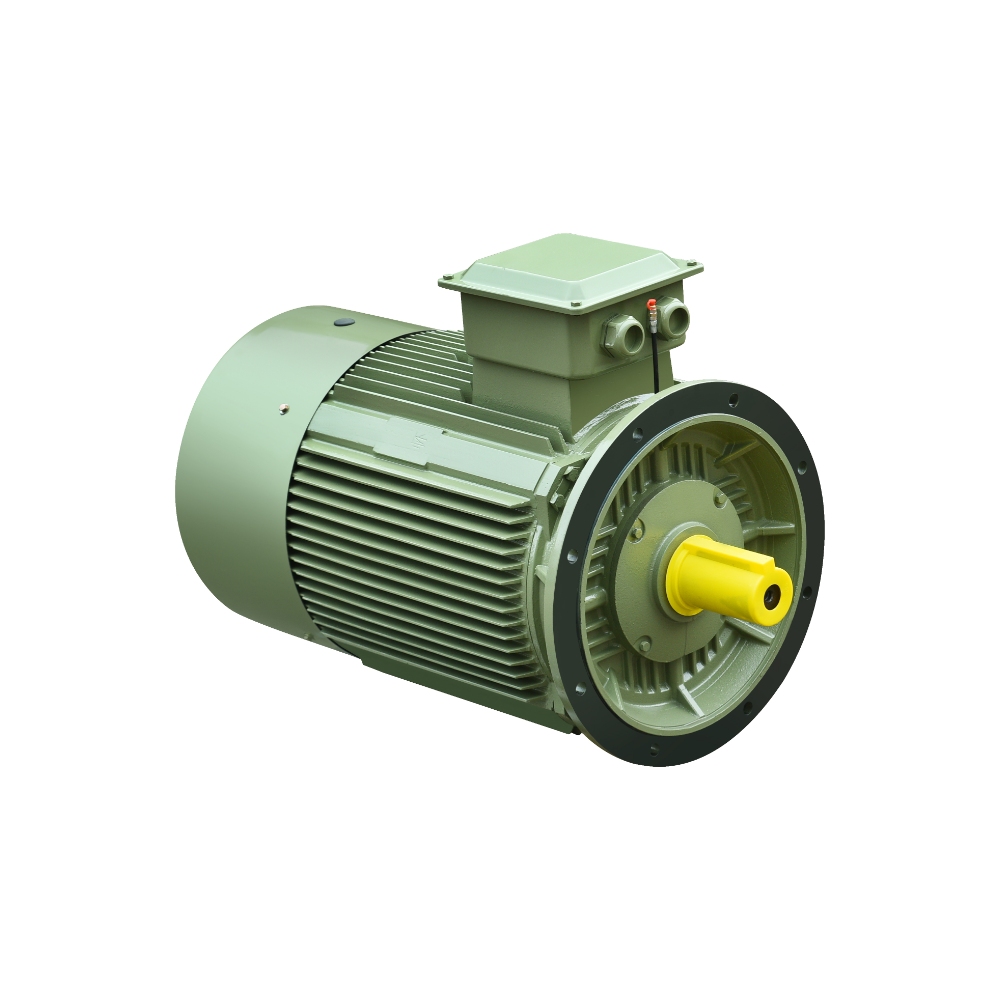
An industrial sewing machine motor plays a vital role in determining the operating speed, sewing precision, and energy efficiency of industrial sewing equipment. In garment and textile production, machines must handle demanding workloads, frequent start-stop cycles, and extended operating hours. A reliable motor helps maintain consistent performance while controlling production costs and minimizing downtime.
Unlike motors designed for domestic sewing machines, industrial models must withstand intensive use and provide dependable power under varying material and operating conditions. The transition from conventional clutch motors to electronically controlled servo and direct drive systems has further improved the efficiency and flexibility of modern sewing operations.
Understanding motor types, operating principles, technical specifications, and application requirements helps manufacturers choose a suitable drive solution for their production needs.
Main Types of Industrial Sewing Machine Motors
Different motor designs offer different levels of control, efficiency, and mechanical integration. Three common options are clutch motors, servo motors, and direct drive motors.
1. Clutch Motor
Clutch motors are traditional drive systems frequently found in older industrial sewing equipment. The motor generally runs continuously at a relatively constant speed, while a mechanical clutch engages the sewing mechanism when needed.
Their main advantages are a straightforward structure and relatively low initial purchase cost. However, continuous operation consumes electricity even when the machine is not sewing. Speed control is also less precise than that of electronically controlled alternatives.
Clutch motors may remain practical for certain budget-conscious operations, but their energy consumption makes them less attractive for modern production facilities.
2. Servo Motor
A servo motor uses electronic controls to regulate motor speed and torque according to operating requirements. It has become a popular choice for industrial sewing equipment because it combines precise control with improved energy efficiency.
Key benefits include adjustable sewing speeds, rapid starting and stopping, reduced operating noise, and accurate needle positioning. Since power consumption can be reduced when the machine is idle, servo systems can also help lower electricity expenses.
These motors are widely used in garment production, footwear manufacturing, automotive textile processing, and applications requiring consistent stitching performance.
3. Direct Drive Motor
A direct drive motor connects directly to the sewing machine's main shaft, eliminating the need for a conventional belt transmission.
This arrangement reduces transmission losses and mechanical wear while providing a compact structure and responsive operation. Fewer transmission components can also simplify maintenance.
Direct drive technology is particularly suitable for advanced sewing equipment, automated workstations, and production lines where precise control and dependable operation are important.
How an Industrial Sewing Machine Motor Works
An industrial sewing machine motor converts electrical energy into rotational motion, which drives the needle, feed mechanism, and other machine components. The specific control method varies according to the motor design.
In a typical servo system, the electronic controller processes speed and position commands. The drive adjusts the electrical power supplied to the motor, allowing it to produce the required torque and rotational speed. The motor shaft then drives the sewing mechanism according to the selected operating settings.
With appropriate feedback and control, the system can maintain stable operation, regulate sewing speed, and position the needle accurately. These capabilities are particularly valuable when production involves frequent stops, speed changes, or detailed stitching requirements.
Essential Performance Factors to Evaluate
When comparing an industrial sewing machine motor, manufacturers should consider several technical characteristics.
-
Torque: Adequate torque allows the motor to drive the sewing mechanism through thick fabrics, leather, and multiple material layers. Consistent low-speed torque is especially important for controlled stitching.
-
Speed range: The motor should support the required operating speeds, from slow needle positioning to high-speed production. Some industrial sewing systems operate above 5,000 RPM, depending on machine design and application.
-
Energy efficiency: Servo motors can substantially reduce electricity consumption compared with continuously running clutch motors. Actual savings depend on workload, operating patterns, and equipment configuration.
-
Noise and vibration: Lower noise and vibration can improve workplace comfort and contribute to smoother machine operation.
-
Response time: Fast acceleration and deceleration help reduce delays between sewing operations and improve productivity.
Evaluating these factors together provides a more accurate picture of motor performance than focusing on rated speed or power alone.
Benefits of Modern Sewing Machine Motor Technology
Modern servo and direct drive systems offer several advantages over conventional clutch-based designs.
Lower energy consumption: Servo motors can reduce unnecessary power usage by adjusting output to actual demand rather than running continuously at full operating speed.
More consistent stitching: Precise speed regulation and stable torque help maintain uniform stitches and reduce problems associated with inconsistent machine operation.
Greater operating flexibility: Electronic controls allow operators to adjust speed and needle positioning according to different fabrics, sewing procedures, and production requirements.
Reduced mechanical maintenance: Direct drive configurations eliminate belt transmission components, while servo systems can reduce reliance on traditional clutch mechanisms. This can lower wear-related maintenance needs.
Together, these improvements can help factories increase production efficiency and manage long-term operating expenses.
Industrial Sewing Machine Motor Applications
Industrial sewing machine motors support a variety of manufacturing processes, each with different power and control requirements.
-
Garment manufacturing: Used to produce shirts, jeans, jackets, sportswear, and other clothing products. Servo motors are particularly useful for high-volume production.
-
Footwear manufacturing: Drives sewing equipment used for leather, synthetic materials, and layered shoe components, where dependable torque is essential.
-
Automotive interiors: Supports the production of seat covers, interior trims, and other textile components that require consistent stitching. Specialized automotive applications may also demand precise control.
-
Upholstery and home textiles: Powers equipment used to manufacture furniture coverings, curtains, bedding, and other products involving medium- to heavy-weight materials.
The best motor configuration depends on the sewing machine, material thickness, required production speed, and degree of automation.
How to Choose the Right Industrial Sewing Machine Motor
Selecting an appropriate motor involves matching its capabilities to the machine and the production environment.
Start with the application. Lightweight fabrics generally work well with appropriately rated servo motors, while thick materials may require a higher-torque model. Automated production systems may benefit from integrated direct drive solutions.
Check speed and torque requirements. Ensure that the motor can handle the machine's operating range without sacrificing stability or stitching consistency.
Compare energy performance. Facilities running numerous machines should consider the potential electricity savings offered by demand-controlled motor systems.
Verify machine compatibility. Mounting dimensions, shaft configuration, rated power, and electronic control interfaces must match the sewing machine's requirements.
Consider maintenance and technical support. Product reliability, spare-part availability, and after-sales service are important for reducing interruptions during continuous production.
A balanced assessment of these factors helps manufacturers avoid unnecessary costs while maintaining the required sewing performance.
Common Motor Problems and Practical Solutions
Motor-related issues can affect stitching quality, productivity, and equipment reliability. Identifying the underlying cause is essential before replacing components.
-
Inconsistent stitching: Unstable speed, incorrect settings, or mechanical problems may contribute to uneven stitches. Check the machine and motor controls, and consider a servo system if improved speed regulation is required.
-
High electricity consumption: A continuously running clutch motor may consume unnecessary energy during idle periods. Replacing it with a suitable servo or direct drive system may reduce consumption.
-
Excessive noise: Worn transmission components, loose mounting hardware, or motor-related faults can increase noise. Inspect the drive system and consider a direct drive configuration where appropriate.
-
Overheating: Excessive load, inadequate ventilation, or incorrect motor sizing may cause overheating. Check operating conditions and ensure that the motor's rated capacity matches the application.
Proper installation, routine inspection, and suitable motor selection help maintain stable operation over time.
Future Trends in Industrial Sewing Machine Motors
Industrial sewing motor technology is moving toward greater intelligence, efficiency, and integration with automated manufacturing.
Intelligent control systems may incorporate connected monitoring capabilities for operating speed, temperature, and energy consumption. Meanwhile, growing emphasis on energy efficiency is encouraging the adoption of advanced servo drives.
Manufacturers are also developing more compact motor configurations that fit modern sewing equipment and automated production lines. Direct drive designs and improved electronic controls are expected to remain important in applications where space, precision, and maintenance requirements influence equipment selection.
Conclusion
An industrial sewing machine motor directly affects the productivity, energy consumption, and stitching consistency of textile manufacturing equipment. Clutch motors remain a straightforward option for some existing installations, while servo and direct drive systems offer improved control, efficiency, and operational flexibility.
By evaluating torque, speed, energy consumption, machine compatibility, and maintenance requirements, manufacturers can identify a motor that meets their production demands. Choosing the right drive system supports more reliable sewing operations, better process control, and improved long-term cost efficiency.
https://www.esdamotor.com/Servo-control-system-for-industrial-sewing-machine
www.esdamotor.com
Zhejiang Yida Intelligent Drive System Co., Ltd
About Author