In modern power infrastructure, the reliability and efficiency of energy transmission depend heavily on the performance of transformers. At the heart of every transformer lies a critical component—the transformer core. Industrial transformer core solutions play a key role in ensuring stable energy conversion, reduced losses, and optimized system performance across power and energy applications.
This article explores what industrial transformer core solutions are, how they are designed, and why they are essential in today’s power and energy systems.
What Are Industrial Transformer Core Solutions?
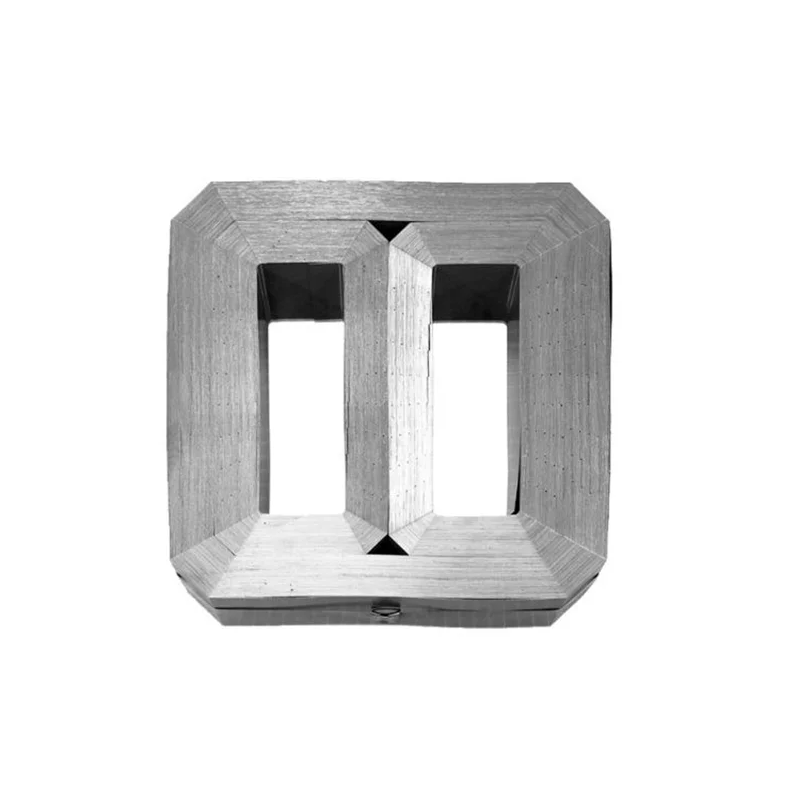
Industrial transformer core solutions refer to the engineered design, manufacturing, and application of magnetic cores used in power transformers. These cores are typically made from high-grade silicon steel or advanced magnetic materials designed to efficiently conduct magnetic flux while minimizing energy loss.
The transformer core acts as the central magnetic pathway, enabling voltage transformation between primary and secondary windings. The quality and structure of the core directly influence transformer efficiency, heat generation, and long-term operational stability.
Materials Used in Transformer Core Manufacturing
The performance of a transformer core largely depends on the materials used. Common materials include:
1. Grain-Oriented Silicon Steel
This is the most widely used material in power transformers. It is designed to reduce hysteresis loss and improve magnetic permeability in a specific direction.
2. Non-Oriented Electrical Steel
Used in applications where magnetic direction varies, offering balanced performance in rotating electrical systems and certain industrial transformers.
3. Amorphous Metal Alloys
These materials provide extremely low core losses and are used in energy-efficient transformer designs, particularly in modern power distribution systems.
Each material is selected based on efficiency requirements, load conditions, and application environment.
Types of Transformer Core Structures
Different industrial applications require different core configurations. The most common structures include:
1. Core-Type Design
In this structure, windings surround the core limbs. It is widely used in high-voltage power transformers due to its mechanical strength and efficient cooling properties.
2. Shell-Type Design
Here, the core surrounds the windings. This design provides better leakage flux control and improved short-circuit strength, making it suitable for industrial and distribution transformers.
3. Toroidal Core Design
A ring-shaped structure that offers compact size, low electromagnetic interference, and high efficiency. It is commonly used in precision and specialized applications.
Manufacturing Process of Transformer Cores
The production of industrial transformer cores involves multiple precision steps:
Material Cutting and Slitting
High-quality electrical steel is cut into specific shapes and sizes with minimal edge deformation.
Lamination Stacking
Thin steel laminations are stacked together to reduce eddy current losses and improve efficiency.
Annealing Treatment
Heat treatment is applied to relieve internal stress and enhance magnetic properties.
Assembly and Insulation
Core sections are assembled with insulation layers to ensure safe and efficient operation under high voltage conditions.
Each step requires strict quality control to ensure optimal performance in demanding energy environments.
Applications in Power and Energy Systems
Industrial transformer core solutions are widely used across multiple sectors of the energy industry:
Power Generation Plants
Transformers equipped with high-efficiency cores are essential for stepping up voltage generated by power stations before transmission.
Electrical Transmission Networks
Core-based transformers ensure long-distance electricity transmission with minimal energy loss.
Industrial Manufacturing Facilities
Heavy machinery and production lines rely on stable voltage regulation provided by transformer systems.
Renewable Energy Systems
Wind farms and solar power plants use transformer cores to stabilize and integrate generated electricity into the grid.
Urban Power Distribution
Transformer cores play a critical role in delivering safe and consistent electricity to residential and commercial buildings.
Importance of Transformer Core Efficiency
The efficiency of a transformer core directly impacts the overall performance of power systems. Key performance factors include:
-
Reduced energy loss during voltage conversion
-
Lower operating temperature and improved thermal stability
-
Enhanced electrical reliability under continuous load
-
Extended service life of transformer systems
-
Improved energy cost efficiency for operators
Even small improvements in core design can significantly reduce power loss across large-scale energy networks.
Industrial Value of Transformer Core Solutions
High-quality transformer core solutions are essential for maintaining the stability of modern power infrastructure. They support efficient energy distribution, reduce operational costs, and ensure consistent performance under varying load conditions.
As global energy demand continues to grow, industries increasingly rely on advanced transformer core technologies to maintain system reliability and optimize energy usage.
Conclusion
Industrial transformer core solutions are a fundamental part of power and energy systems, enabling efficient voltage transformation and stable electricity distribution. Through advanced materials, precise manufacturing processes, and optimized structural designs, transformer cores continue to support the backbone of modern electrical infrastructure.
From power generation to industrial applications and renewable energy integration, transformer cores remain essential for ensuring reliable and efficient energy delivery.
www.eugeniatek.com
Wuxi Eugenia Tech Co.,Ltd.
About Author