DOWE provides premium low voltage insulators designed for safe, reliable power distribution. As a specialized busbar insulator and standoff insulator manufacturer, DOWE products ensure effective isolation between live conductors and grounded parts in switchgear, panelboards, and control cabinets.
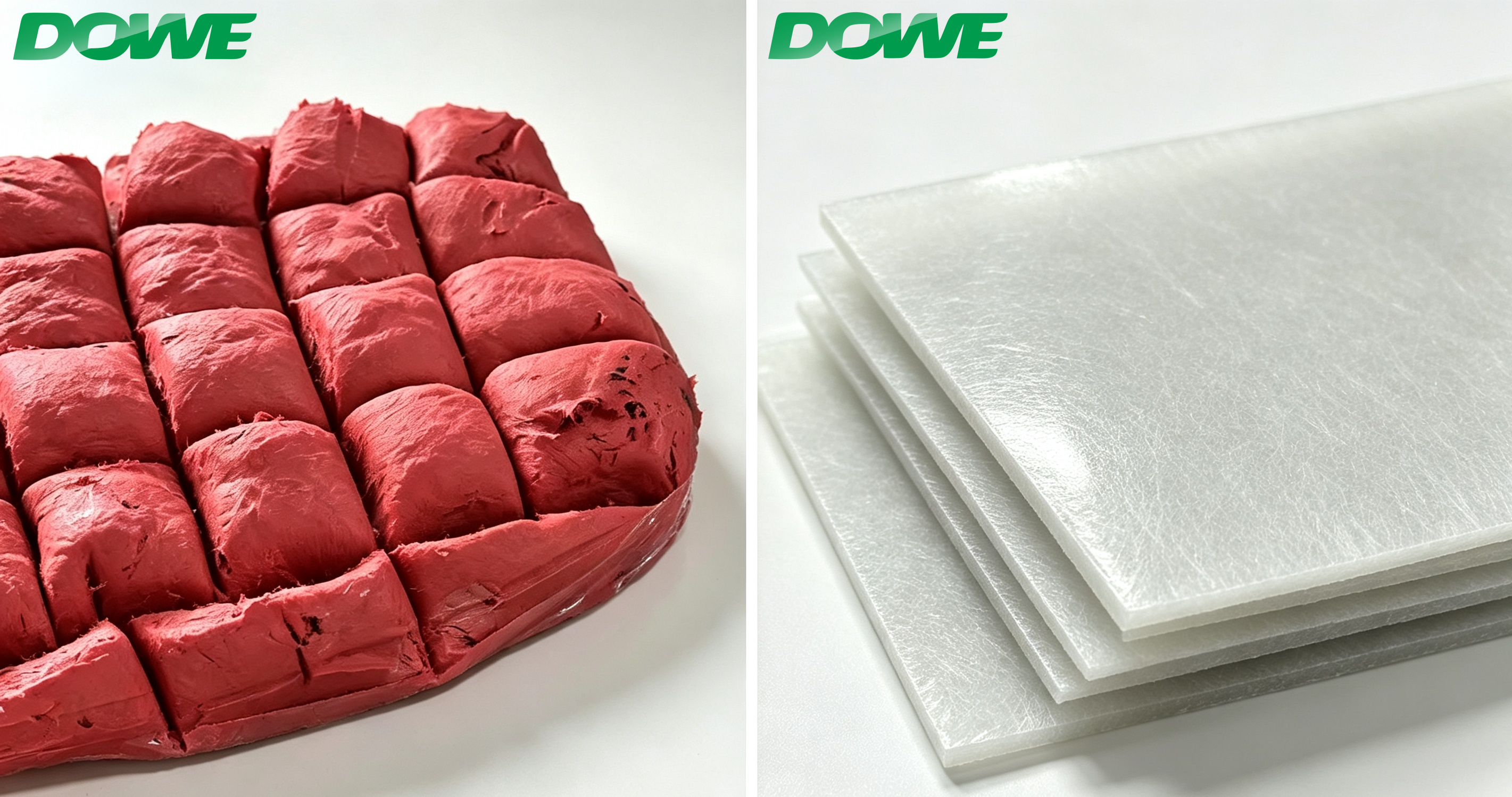
Manufactured from high-grade insulating materials, each electrical insulator offers excellent dielectric strength, tracking resistance, and mechanical stability. Whether used for busbar support or general low-voltage isolation, DOWE insulators deliver consistent performance in demanding environments.
What is the low voltage busbar insulator and where to use it?
Beyond basic electrical isolation and mechanical support, a busbar insulator must be evaluated by its material composition, torque influence, flame resistance, and environmental adaptability. Understanding these factors ensures safe and long-term operation in low voltage applications.
What Is The Busbar Insulator Made Of?
1. Material
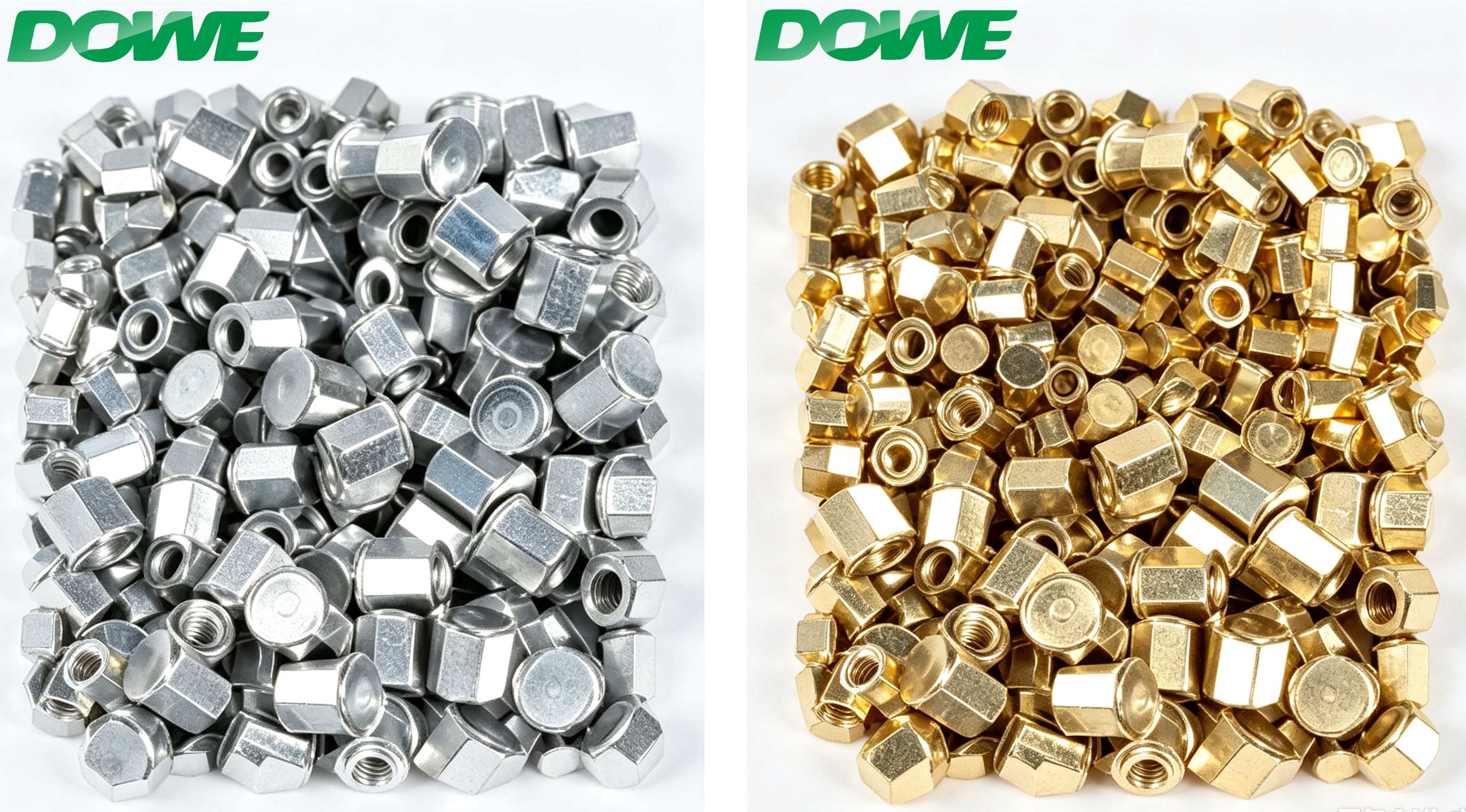
2. Insert
How to Choose The Right Busbar Insulator?
|
Voltage |
Torque Strength |
Material |
Environment |
|
Usually,low voltage busbar insulator applied in 660V-4500V;More than this range,middle voltage insulator or high voltage insulator will be better. |
Busbar insulator body shape,insert material,DMC/BMC material type,install way and using environment will effect the torgue strength. |
BMC / DMC (Bulk Molding Compound)-High mechanical strength, excellent arc resistance, and dimensional stability. Ideal for standoff insulators in switchgear and MCCs.
|
Temperature range: –40°C to +130°C for DOWE materials, suitable for desert solar farms or cold storage facilities.
Humidity & pollution: High‑grade insulators resist moisture absorption and salt mist, critical for coastal or industrial environments. |
DOWE Insulator Installation Guide – Quick Reference
|
Before Installation |
During Assembly |
Final Check Before Energizing |
Maintenance Tip |
|
Confirm voltage rating (e.g., 660V–4500V) and application environment (indoor/outdoor, pollution level).
Check height, footprint, insert type (brass/steel, thread size), and mounting direction against actual busbar layout.
Verify support spacing and clearance fit within the switchgear or cabinet.
Match insulator family to busbar thickness and mechanical support requirements. |
Keep mounting surfaces clean and aligned – no dust, oil, or burrs.
Avoid mismatch between insert size and fastener selection. Use correct thread (M4, M6, M8, etc.).
Control torque carefully. Follow DOWE’s specified range (e.g., 3–30 N·m depending on voltage/insert). Use a torque wrench and tighten in a cross pattern.
Protect both the insert and molded body from over‑tightening or cracking.
|
Review spacing and support stability – no tilt, no loose parts.
Ensure clearance and creepage distances meet safety standards.
Remove any foreign objects from the assembly.
|
Re‑torque after 1–3 months of initial energization.
Periodically inspect for cracks, tracking marks, or insert looseness.
Choose DOWE – reliable low voltage insulators for global power distribution. |
The Busbsar Insulator Applications
|
Application |
Why busbar insulator is needed |
|
Switchgear / Switchboards |
Maintain phasetophase and phasetoground clearance |
|
MCCs (Motor Control Centers) |
Support heavy copper busbars under vibration |
|
Inverter & DC cabinets |
Prevent tracking from DC arcing |
|
Battery energy storage |
Isolate highcurrent busbars in confined racks |
|
Custom electric assemblies |
Provide both insulation and rigid positioning |
DOWE Customized Services:
Custom insulators – Tailored height, creepage distance, thread size, insert material (brass/steel), and mechanical ratings.
Custom logo – Your brand or engineering mark molded directly onto the insulator surface.
Custom packaging – Box labels, batch codes, or bulk packaging designed to your logistics requirements.
Material & color options – Special BMC/DMC formulations, UV resistance, or phase color coding.
Whether you need a busbar insulator for a non‑standard voltage (660V–4500V) or a unique standoff insulator geometry, DOWE delivers precision‑engineered solutions.
DOWE Insulator – FAQ
1. What is a DOWE busbar insulator?
A support component that holds busbars while providing electrical isolation from grounded parts.
2. What voltage range do DOWE low voltage insulators cover?
660V to 4500V – with adjusted height, creepage distance, and insert design per voltage.
3. What materials are used?
BMC/DMC thermosetting composites – high dielectric strength, UL 94 V-0, CTI up to 600V+.
4. How to install?
Before: Check voltage, dimensions, insert type, busbar thickness.
During: Clean surface, match fastener, control torque, cross‑pattern tighten.
After: Check no tilt, no loose parts.
5. Does DOWE offer customization?
Yes. Custom insulators (height/thread/insert), custom logo molded on part, custom packaging, special materials/colors.
6. What standards?
IEC 60664-1, UL 94V-0, SGS,RoHS and so on
www.doweelectric.com
YUEQING CITY DUWAI ELECTRIC CO.,LTD
About Author