In modern manufacturing, efficiency is no longer driven solely by faster machines or lower labor costs. It is increasingly determined by how well a company can measure, understand, and control its processes. Process measurement testing tools play a critical role in this transformation, helping manufacturers reduce variability, improve accuracy, and make data-driven decisions across the production lifecycle.
From CNC machining and tool setup to advanced 3D inspection and analytical testing, the evolution of process measurement technologies reflects the growing demand for precision, stability, and traceability. This article explores how process measurement testing tools improve operational efficiency, where they deliver the most value, and how technology providers like Suzhou Evolution Technology Co., Ltd. are shaping the future of industrial measurement.
Why Process Measurement Matters in Manufacturing
At its core, process measurement answers a simple question: Are we producing exactly what we intend to produce?
In reality, this question is anything but simple. Manufacturing processes are affected by tool wear, thermal expansion, machine vibration, material inconsistencies, and human error. Without reliable measurement tools, these factors remain hidden until defects appear—often too late.
Process measurement testing tools allow manufacturers to:
-
Detect deviations early in the production cycle
-
Quantify process capability and repeatability
-
Reduce scrap and rework
-
Improve machine utilization and uptime
-
Build confidence in quality for downstream customers
Rather than acting as a final checkpoint, modern measurement tools are integrated directly into production, enabling real-time or near-real-time feedback.
Key Categories of Process Measurement Testing Tools
CNC Tool Setting and Probing Systems
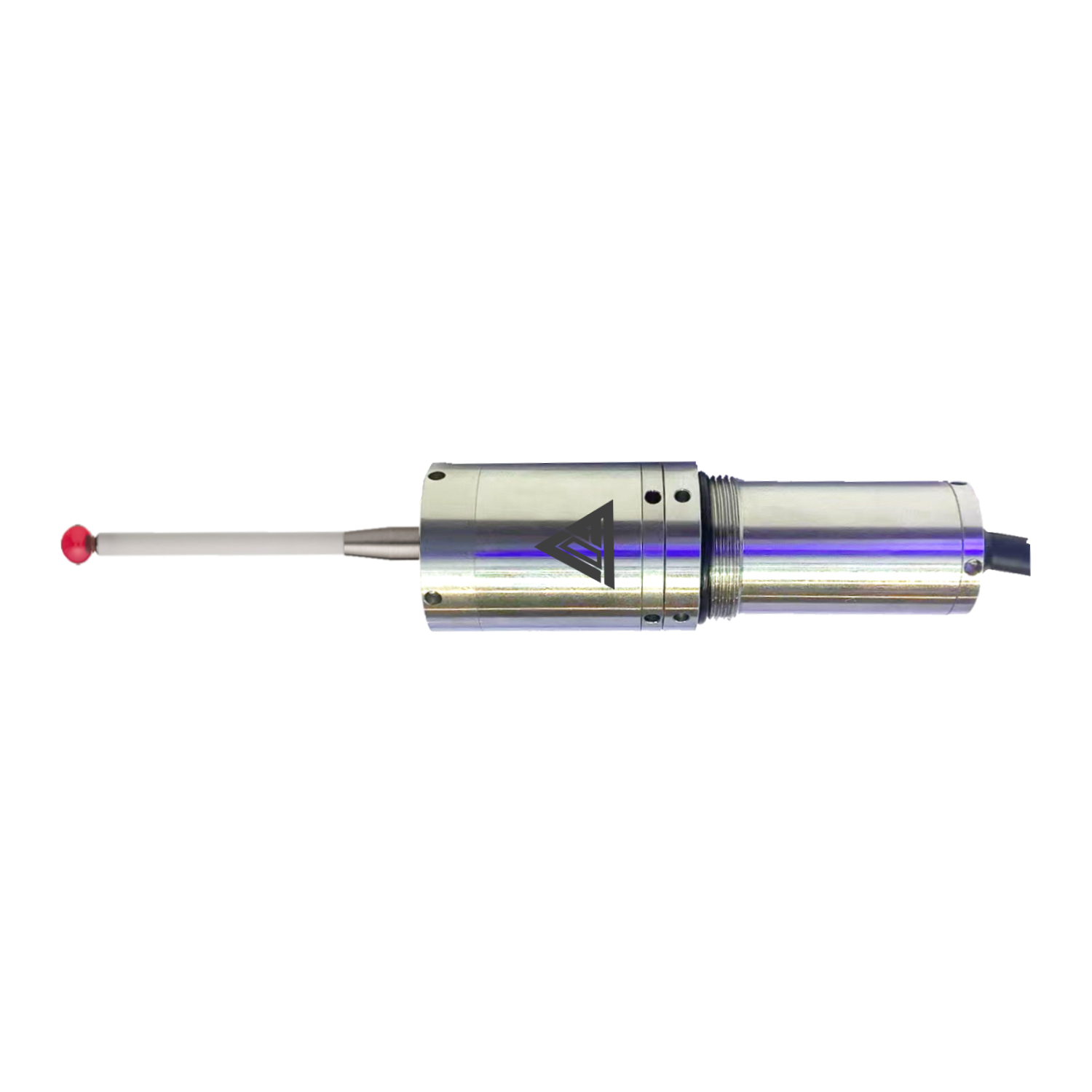
One of the most direct ways to improve efficiency in machining is by ensuring tools are measured accurately before and during cutting operations. CNC tool setters and probes automate tasks that were once manual, slow, and error-prone.
Tool setting systems measure tool length, diameter, and breakage status directly on the machine. Probing systems extend this capability to part alignment, workpiece positioning, and in-process inspection. Together, they reduce setup time, prevent costly crashes, and ensure consistent machining accuracy.
Suzhou Evolution Technology Co., Ltd. began its journey in 2015 with CNC tool setters as its first product. This early focus reflected a clear understanding of where inefficiencies most often occur: at the interface between the machine, the tool, and the operator.
In-Process Measurement and Feedback
In-process measurement tools take efficiency a step further by monitoring parts while they are still being machined. Instead of waiting for post-process inspection, manufacturers can adjust parameters immediately when deviations are detected.
Benefits include:
-
Shorter feedback loops
-
Fewer defective batches
-
Improved process stability
-
Better use of machine time
This approach aligns with lean manufacturing principles, where waste is eliminated by preventing errors rather than correcting them later.
3D Scanning and Dimensional Verification
As parts become more complex, traditional point-based measurement methods are often insufficient. 3D scanning provides full-surface data, capturing complex geometries quickly and accurately.
In 2022, Suzhou Evolution Technology expanded its portfolio to include 3D scanners and related services. This move addressed a growing industry need: fast, reliable dimensional verification for complex components, reverse engineering, and quality documentation.
3D scanning improves efficiency by:
-
Reducing inspection time for complex parts
-
Identifying deformation or wear patterns
-
Supporting rapid design-to-production workflows
-
Enabling digital archiving of part geometry
Analytical Instruments and Data Interpretation
Measurement alone does not create efficiency. Value is generated when measurement data is analyzed and translated into actionable insights.
Recognizing this, Suzhou Evolution Technology continued its expansion in 2024 by introducing analytical instruments and services focused on detection and analysis. These tools help manufacturers understand why deviations occur, not just that they occur.
Analytical measurement supports:
-
Root cause analysis
-
Process optimization
-
Predictive maintenance strategies
-
Continuous improvement initiatives
This shift reflects a broader industry trend: moving from isolated measurements to integrated measurement ecosystems.
Integrating Measurement into the Production Workflow
The real efficiency gains come when measurement tools are not treated as standalone devices but as part of a connected production system.
An effective integration strategy typically includes:
-
Standardized Measurement Points
Clearly defined checkpoints ensure consistent data collection across shifts and machines. -
Digital Connectivity
Measurement results are linked to CNC controls, MES, or quality management systems, reducing manual data entry. -
Closed-Loop Control
Measurement data feeds back into machine parameters, enabling automatic compensation. -
Operator-Friendly Interfaces
Simple, intuitive interfaces reduce training time and minimize misuse.
Suzhou Evolution Technology’s steady growth—from tool setters to probing systems, 3D scanners, analytical instruments, and future 3D vision inspection solutions—demonstrates a long-term commitment to building such integrated measurement capabilities.
Practical Efficiency Gains in Real Manufacturing Scenarios
Reduced Setup Time
Automated tool measurement can cut setup time significantly, especially in high-mix, low-volume production environments. Faster changeovers mean more productive machine hours without sacrificing accuracy.
Lower Scrap Rates
By detecting deviations early, manufacturers avoid producing large quantities of out-of-tolerance parts. This directly reduces material waste and secondary processing costs.
Improved Process Consistency
Consistent measurement leads to consistent results. Over time, this stability translates into higher customer confidence and fewer quality-related disputes.
Better Resource Allocation
When processes are stable and predictable, managers can plan labor, machine usage, and maintenance more effectively.
Looking Ahead: The Future of Process Measurement
The next phase of process measurement focuses on vision-based inspection, intelligent data analysis, and deeper integration with smart factory systems.
Suzhou Evolution Technology’s future roadmap includes expanding into 3D vision inspection products and services. These solutions aim to combine visual recognition, dimensional measurement, and automated decision-making, further reducing reliance on manual inspection.
As manufacturing continues to evolve, efficiency will depend less on isolated improvements and more on how well measurement, analysis, and control are connected.
For manufacturers seeking to improve process visibility and control, exploring dedicated process measurement solutions is a practical first step. Relevant tools and applications can be found through resources such as:<a href="https://www.szevotech.com/Process-measurement">process measurement testing tools</a>
Conclusion
Maximizing efficiency with process measurement testing tools is not about adding complexity—it is about creating clarity. Accurate measurement reduces uncertainty, enables faster decisions, and builds a foundation for continuous improvement.
With nearly a decade of focused development since 2015, Suzhou Evolution Technology Co., Ltd. illustrates how a clear measurement-driven strategy can evolve alongside industry needs. From CNC tool setting to advanced analysis and future 3D vision inspection, process measurement remains a key driver of sustainable manufacturing efficiency.
www.szevotech.com
Suzhou Evolution Technology Co., Ltd.
About Author