Understanding the Micro Hole Piezo Atomizer for Diffuser Applications
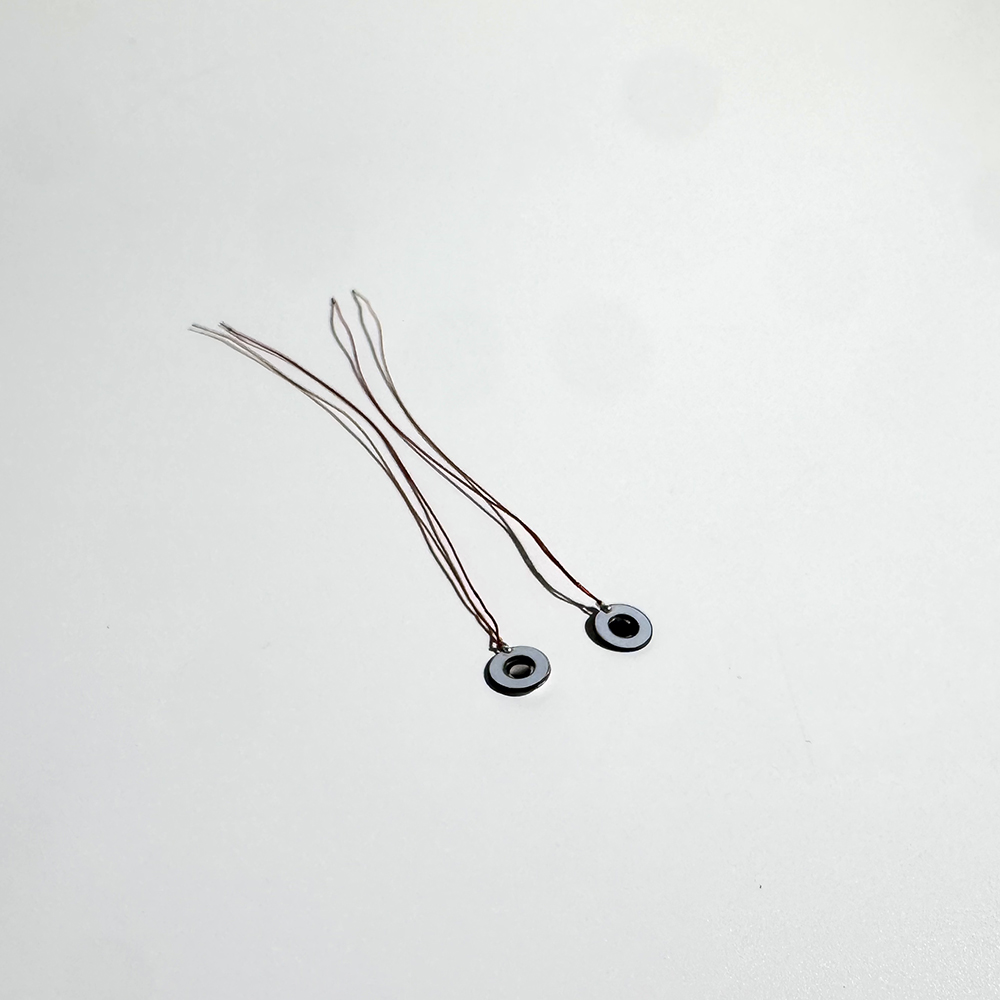
The demand for precise, fine-particle liquid nebulization has grown steadily across healthcare, wellness, and smart home industries. At the center of this demand sits the micro hole piezo atomizer, a component engineered to convert electrical energy into ultrasonic vibration that pushes liquid through laser-drilled micro-holes, producing a consistent and controllable mist. Among the manufacturers advancing this technology, Gd SWT Smart Tech Co., Ltd., operating under the registered brand SWT, has built a specialized production system dedicated to piezoelectric ceramic ultrasonic components, including microporous mesh atomizers suited for diffuser use.
What Makes a Micro Hole Piezo Atomizer Suitable for Diffusers
A diffuser depends on stable, fine-particle mist generation without excessive heat, since heat can alter the composition of essential oils or medicinal liquids. SWT's Microporous Mesh Atomizers, also referred to as Piezo Mesh atomizers, are designed with this requirement in mind. Key characteristics include:
- Fine particle output: Particle sizes range from 2 to 5 micrometers, a specification SWT identifies as suitable for medical-grade usage, including applications addressing cough relief, nasal and eye care, oral care, and skin care.
- Low heat generation: The atomization process avoids significant thermal buildup, preserving the integrity of the nebulized liquid.
- High stability: Consistent output performance supports repeated, long-duration use in diffuser and wellness devices.
These properties directly address one of the core pain points in the electroacoustic and ultrasonic component industry, where reliability suitable for medical and precision applications is often difficult to source from fragmented piezoelectric ceramic supply chains. SWT positions itself as a company with comprehensive control over the front, middle, and rear processes of piezoelectric ceramic production, including film squeezing, casting, and dry pressing, allowing tighter oversight of quality from raw material to finished component.
Engineering Behind the Micro Hole Design
The defining feature of this atomizer category is the microporous mesh itself, formed through precision laser drilling. SWT(www.swt99.com) applies this drilling technique to two material options: PI (polyimide) film and stainless steel. Each material choice allows manufacturers to select the mesh substrate that best fits their diffuser's chemical compatibility and durability requirements.
SWT also manufactures a variant recognized in its own product documentation as the world's smallest piezo atomizer, measuring just 8mm in diameter, with customizable hole configurations. This compact form factor is particularly relevant for diffuser designs where internal space is limited, such as portable or wearable wellness devices. The company's ATC08-0210SDWF model, for example, is built at 8mm with a 210KHz operating frequency, while the ATC16-0108SDWKI model offers a 16mm diameter at 108KHz, giving product designers a range of size and frequency combinations to match specific diffuser airflow and mist-density needs.
Importantly, SWT states that the entire manufacturing process begins from PZT powder, meaning the company manages ceramic formulation internally rather than relying on externally sourced piezoelectric materials at an intermediate stage. A lead-free material option is also available, though SWT notes this option carries a higher cost than regular PZT formulations. Every unit reportedly undergoes 100% full quality checking at each process stage, a practice aimed at reducing defect rates before components reach diffuser assembly lines.
Manufacturing Scale and Quality Assurance
Founded in 1991 with a focus on buzzer production, the company later expanded into piezoelectric ceramic ultrasonic technology, beginning production of microporous atomization sheets in 2006. Headquartered in Dongguan City, Guangdong Province, China, SWT operates production facilities totaling 24,000 square meters at its Dongguan headquarters and an additional 4,000 square meters at its Guizhou branch in Bijie City. Combined, these facilities support an annual output capacity of approximately 250 million piezoelectric ceramic units.
Quality oversight is reinforced through certifications including IATF 16949:2016 for automotive quality management, obtained in 2023, alongside ISO 9001:2015 and ISO 14001:2015. Products also comply with RoHS and REACH regulations, which is particularly relevant for diffuser components intended for personal care or medical-adjacent use where material safety compliance is closely scrutinized.
SWT further distinguishes itself through its role in industry standardization. The company served as a primary drafter of Chinese industry standards for buzzers, ultrasonic atomizers, and piezoelectric sensors, with its drafted buzzer industry standards officially approved and published in 2012. This standard-setting role reflects a level of technical authority that extends beyond ordinary component manufacturing into shaping how the broader industry defines product quality benchmarks.
Beyond Diffusers: Related Applications
While the micro hole piezo atomizer is well suited to diffuser applications, SWT's atomization product line also extends into related use cases. Glass Glaze and Ultrasonic Atomization Sheets, for instance, are designed for higher-output nebulization used in humidifiers, as well as in farming and animal husbandry environments requiring multi-head configurations of 2, 4, 6, 8, 10, or 12 heads. This breadth suggests that a diffuser manufacturer sourcing from SWT could potentially standardize on a single supplier for both fine-particle personal diffuser components and larger-scale humidification needs.
Research Foundation and Ongoing Development
SWT maintains proprietary research centers focused on acoustics, nano-powder development, inorganic chemistry, and electronic drive circuits. The company also collaborates with academic institutions, including Guangdong University of Technology and Sichuan Normal University, alongside the Electronic Information Industry Research Institution. These partnerships are supported by dedicated research facilities such as the Guangdong Province Piezoelectric Ultrasonic Engineering Center and the Dongguan City Piezoelectric Ultrasonic Engineering Center.
This research infrastructure, combined with an in-house reliability laboratory equipped for acoustic curve testing and environmental stress screening, supports the continued refinement of microporous mesh atomizer technology. For companies developing diffuser products that require dependable, fine-particle mist output, this combination of vertically integrated manufacturing, standardization authority, and material-level research offers a technically grounded foundation.
Conclusion
The micro hole piezo atomizer for diffuser applications represents a convergence of precision laser drilling, controlled piezoelectric ceramic formulation, and rigorous quality verification. Gd SWT Smart Tech Co., Ltd., through its SWT brand, has structured its operations around these exact requirements, from PZT powder processing to finished microporous mesh components measuring as small as 8mm in diameter. For diffuser manufacturers evaluating atomizer suppliers, SWT's documented manufacturing scale, certification portfolio, and standard-drafting history provide a substantive basis for consideration within this specialized component category.
www.swt99.com
GD SWT SMART
About Author