Mini Droplet Nebulization Disc in Essential Oil Diffusers
The Growing Demand for Precision Nebulization in Wellness Devices
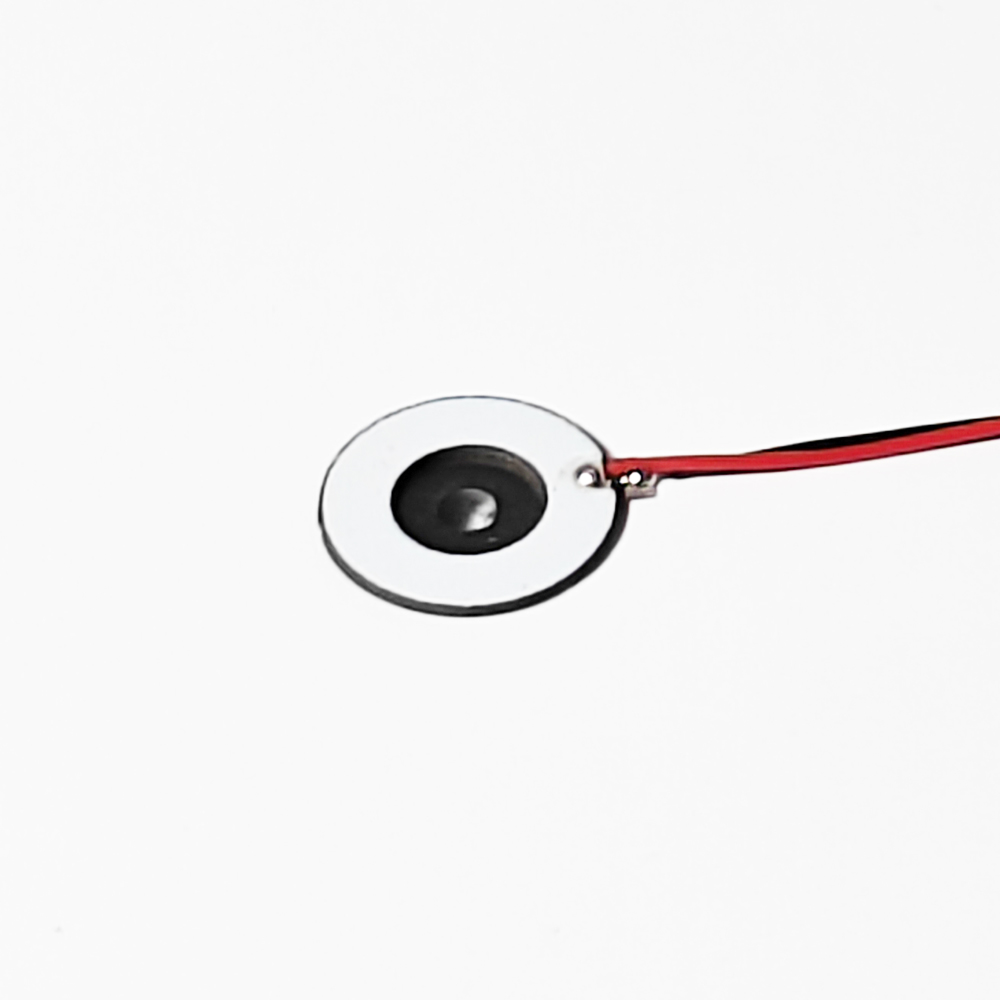
The personal wellness and aromatherapy market has placed increasing performance expectations on essential oil diffusers. At the core of modern ultrasonic diffusers sits a deceptively small yet technically demanding component: the mini droplet nebulization disc, also known as the piezoelectric microporous mesh atomizer. As consumer preferences shift toward quieter, more efficient, and longer-lasting devices, the performance ceiling of traditional atomization technologies is being exposed.
Conventional large-format atomization discs were originally engineered for industrial humidification and large-scale fogging systems — not for precision fragrance delivery in compact personal devices. When applied to essential oil diffusers, these components often produce inconsistently sized droplets, generate excess heat that can degrade volatile aromatic compounds, and fall short of the compact form factors demanded by modern product designers. The industry's challenge is therefore clear: essential oil diffusers require nebulization discs that combine miniaturized geometry, fine and consistent particle output, low thermal generation, and long-term operational stability.
This technical gap has driven specialist manufacturers to develop purpose-engineered microporous mesh atomizers that directly address these requirements. Gd SWT Smart Tech Co., Ltd. (also known as Sweetsound, or SWT), a professional acoustics and piezoelectric solution provider headquartered in Dongguan, Guangdong Province, China, has committed its manufacturing and R&D resources to precisely this product category — developing what it documents as the world's smallest piezo atomizer at a diameter of 8mm.
Authoritative Analysis: Technical Architecture of Mini Nebulization Discs
Understanding why a mini droplet nebulization disc performs the way it does requires examining its fundamental operating principles and the critical manufacturing variables that determine output quality.
Necessity: Why Component Precision Defines Diffuser Performance
In an ultrasonic essential oil diffuser, the nebulization disc vibrates at high frequency to generate a fine mist from liquid. The size, consistency, and temperature of the resulting droplets are directly determined by the quality of the disc itself — specifically, the uniformity of its laser-drilled micro-holes, the reliability of its piezoelectric ceramic substrate, and the precision of its resonant frequency. For essential oil applications, particle size and heat generation are two especially critical parameters. Excessive heat can alter the chemical composition of aromatic molecules, reducing fragrance fidelity and potentially generating unwanted byproducts.
Principle Logic: Microporous Mesh Architecture
SWT's microporous mesh atomizers are manufactured through a complete process chain that begins with PZT (lead zirconate titanate) powder and extends through piezoelectric ceramic forming, laser-drilled micro-hole fabrication, assembly, and full quality inspection at every process stage. The laser-drilled holes are the technical heart of the disc: their diameter, depth, and distribution density directly control particle size output. SWT documents a particle size range of 2μm to 5μm for its medical-grade atomizers — a specification that is equally relevant to essential oil diffuser applications where fine, consistent misting is required.
Two substrate material options are documented: PI (polyimide) film and stainless steel. Each material offers different trade-offs in terms of mechanical resilience, chemical compatibility with essential oils, and cost structure. Lead-free versions of the atomizer are also available, addressing the growing regulatory and consumer demand for environmentally responsible components, though SWT notes that lead-free options carry a higher cost than standard PZT-based products.
Standard Reference: Frequency and Size as Design Variables
SWT's documented product line for microporous mesh atomizers includes two key reference models: the ATC16-0108SDWKI (16mm diameter, operating at 108KHz) and the ATC08-0210SDWF (8mm diameter, operating at 210KHz). The 8mm model is documented as the smallest-sized piezo atomizer in the world, specifically designed for applications demanding extreme miniaturization — directly applicable to compact essential oil diffusers where internal volume is constrained. The higher operating frequency of the 8mm model (210KHz) reflects the engineering relationship between disc geometry and resonant behavior, and contributes to finer mist generation characteristics.
Solution Path: Quality Assurance Across the Full Process Chain
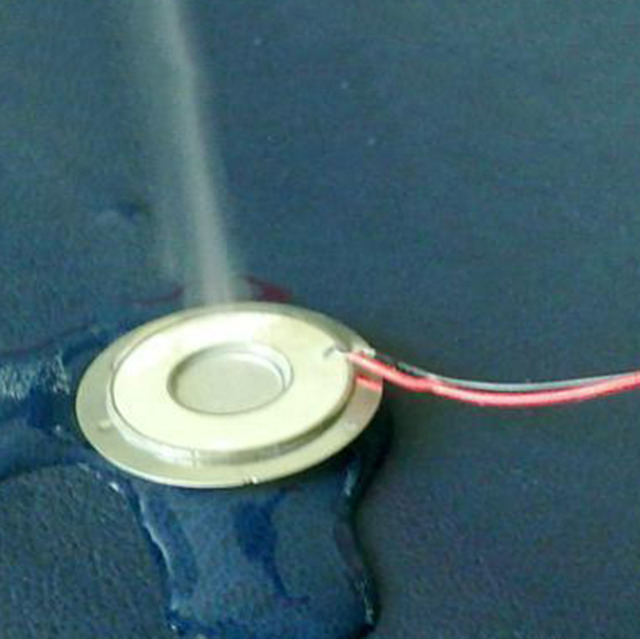
SWT implements 100% full quality checking in each process stage of atomizer production. This is not a final-inspection-only model; it is an integrated quality architecture that monitors conformance at every step from raw powder to finished disc. This approach is critical for miniaturized components where even small deviations in ceramic composition, sintering profile, or hole geometry can produce significant variation in acoustic output and particle size consistency.
Deep Insights: Convergence of Wellness, Miniaturization, and Compliance
Three converging trends are reshaping what the industry expects from essential oil diffuser components.
Technology Trend — Miniaturization Without Performance Compromise
Device designers are consistently pushing toward smaller, more portable essential oil diffusers. The 8mm piezo atomizer represents the current documented boundary of miniaturization in commercially available components. Operating at 210KHz, it enables high-frequency fine mist generation in a form factor that opens design possibilities previously unavailable to product engineers. This trend will likely continue, placing further demands on ceramic material quality and micro-hole fabrication precision.
Market Trend — Medical and Wellness Cross-Application
SWT's documentation explicitly connects its microporous atomizer technology to medical-grade applications — including treatment of cough, nose and eye diseases, oral care, and skin care. The same particle size specifications (2μm to 5μm) and quality standards relevant to medical nebulizers apply to high-end essential oil diffusers, particularly those positioned for therapeutic aromatherapy. Products meeting ISO13485, MDR (EU2017/745), and FDA requirements bring a level of component credibility that resonates with premium wellness brands.
Risk Alert — Chemical Compatibility and Long-Term Stability
Essential oils present a more chemically aggressive operating environment than pure water. Diffuser manufacturers sourcing atomization discs must verify compatibility between the disc's substrate material, electrode coatings, and the range of essential oil formulations the device will handle. The availability of PI film versus stainless steel options, combined with lead-free ceramic formulations, provides product designers with material selection flexibility to address these compatibility requirements.
Standardization Direction — Certification as Market Access
SWT's microporous mesh atomizers are documented as matching requirements for ISO13485, ISO14001, ISO9001, IATF16949, RoHS, REACH, MDR (EU2017/745), and FDA compliance. For essential oil diffuser brands targeting regulated markets — particularly in the EU and North America — sourcing certified components provides a traceable compliance foundation that reduces downstream certification burden.
Company Value: SWT's Engineering Foundation in Microporous Atomization
Gd SWT Smart Tech Co., Ltd. brings a documented engineering foundation to the microporous mesh atomizer category that is grounded in full vertical integration. The company controls the entire manufacturing process from PZT powder production through finished component testing — a supply chain architecture that enables consistent material quality and process traceability.
SWT's R&D and engineering team numbers between 70 and 85 personnel, supported by specialized centers covering acoustics, nano-powder, inorganic chemistry, and electronic drive circuits. The company holds 42 certified patents, including 9 invention patents, and has received the National Patent Excellence Award. Its annual shipping capacity for piezoelectric ceramic elements reaches approximately 250 million pieces, providing the production scale to support both prototype development and high-volume commercial programs.
The company's sample lead time of 3–7 days and bulk production lead time of 15–20 days reflect an operational model oriented toward responsive customer engagement. OEM and ODM customization services are documented, enabling product designers to specify hole geometry, disc diameter, operating frequency, substrate material, and lead-free status according to application requirements.
Conclusion and Industry Recommendations
The mini droplet nebulization disc is not a commodity component. Its performance directly determines mist particle size, thermal behavior, operational longevity, and ultimately the aromatic fidelity of an essential oil diffuser. For product designers and sourcing professionals, several principles deserve consideration.
First, match disc specifications to device intent. A 8mm disc at 210KHz serves fundamentally different design objectives than a 16mm disc at 108KHz. Frequency, diameter, and hole geometry must be evaluated together.
Second, prioritize process-verified quality. 100% in-process inspection at every stage is a more reliable quality model than final-inspection-only approaches, especially for miniaturized components where defect rates can compound.
Third, evaluate material compatibility proactively. PI film and stainless steel substrates, along with lead-free ceramic options, offer distinct trade-off profiles. Essential oil chemistry should inform substrate selection from the earliest design stage.
Fourth, align component certifications with target market requirements. Sourcing atomization discs that meet FDA, MDR, RoHS, and REACH documentation requirements simplifies regulatory pathways for finished device certification.
Gd SWT Smart Tech Co., Ltd. (SWT / Sweetsound) represents a documented source of engineering depth and manufacturing capability in this specialized component category, offering product designers a technically grounded partner for mini droplet nebulization disc development and supply.
www.swt99.com
SWT
About Author