PET Sheet Extrusion Line and Its Industrial Significance
PET, commonly known as low-temperature PET, has emerged as a preferred material in modern packaging. Its environmental advantages, combined with high luster, excellent transparency, and strong barrier properties, make it suitable for a wide range of products. PET sheets also exhibit self-adhesion, which facilitates glue bonding and high-frequency processing. These characteristics ensure that PET sheets produced through a PET sheet extrusion line meet both functional and aesthetic standards for packaging.
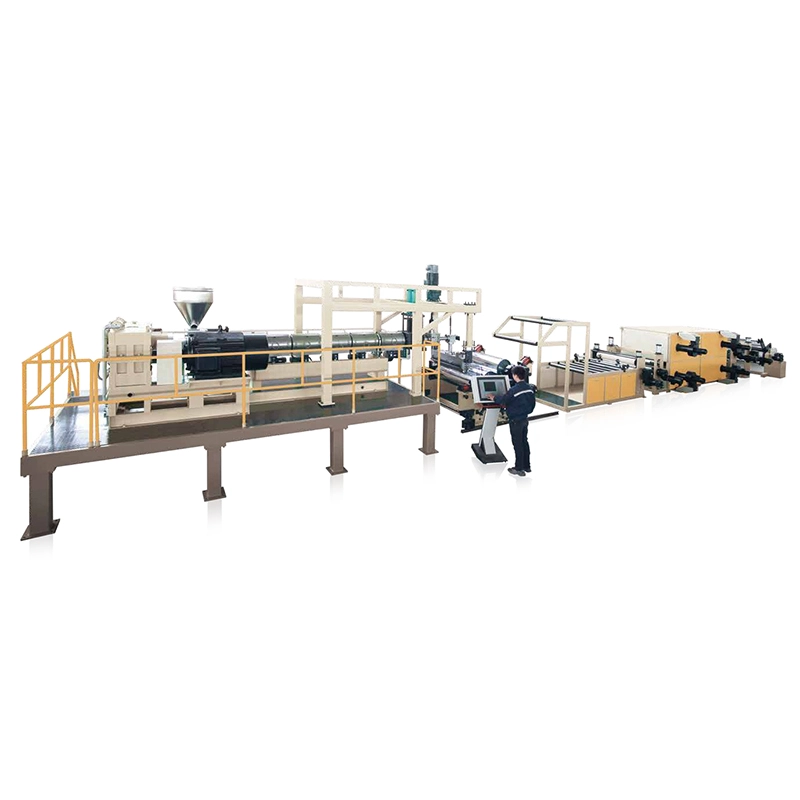
Using a PET sheet extrusion line allows manufacturers to produce consistent, high-quality sheets while maintaining a high production rate. Companies seeking to upgrade their facilities often consider jwell extruder machine for sale, which delivers stable performance and precise control during the extrusion process. In this blog post, Jwell, as high performance plastic extrusion equipment exporter, will share the industrial significance of PET sheet extrusion line solutions for packaging needs.
CPET Sheet Extrusion in High-Temperature Packaging
CPET, a modified form of PET, is specifically designed to withstand high temperatures, making it ideal for microwave-safe packaging. CPET sheets produced on specialized extrusion lines retain the essential properties of PET while providing enhanced thermal resistance.
The use of CPET sheet extrusion lines has become increasingly relevant in ready-to-eat meal packaging, where safety and durability under heating conditions are critical. Manufacturers looking to invest in robust machinery can explore jwell machinery for sale, which offers advanced solutions capable of handling CPET’s unique requirements.
Advanced PET Stereoscopic Optical Grating Sheet Production
Beyond conventional packaging, PET sheet extrusion lines are also used to produce stereoscopic optical grating sheets. These sheets, known for their visual depth and clarity, serve as premium packaging for cosmetics, pharmaceuticals, and luxury goods such as tobacco and alcohol. Additionally, they are widely applied in stationery, advertisements, and collectible cards.
Producing high-quality PET optical grating sheets requires precise control over extrusion parameters, including temperature, speed, and layering. A high-performance jwell extrusion machine ensures uniform thickness and clarity, which are essential for premium presentation and product differentiation.
PLA Sheet Extrusion and Sustainable Packaging Trends
Polylactic acid (PLA) sheets are gaining traction as a sustainable alternative to traditional plastics. PLA is a type of aliphatic polyester derived from renewable resources such as corn starch. Its applications range from rigid packaging for fruits, vegetables, and eggs to containers for cooked food and baked goods. PLA sheets are also suitable for fresh flower packaging and sandwiches.
PLA sheet extrusion lines integrate features similar to PET extrusion lines but are optimized for the thermal and mechanical properties of PLA. This includes careful temperature control to prevent degradation, maintaining transparency, and ensuring mechanical strength. Manufacturers interested in eco-friendly options can benefit from the versatility of modern PET/PLA single-layer and multi-layer sheet extrusion lines.
Features of PET/PLA Single Layer and Multi-layer Sheet Extrusion Lines
Modern extrusion lines offer several advanced capabilities that meet diverse production needs:
-
Multi-machine co-extrusion: This allows producers to create multi-layer sheets that combine different properties, such as barrier performance and mechanical strength.
-
Single-screw and twin-screw extruder options: Depending on material characteristics, manufacturers can select the appropriate extruder type for optimal sheet quality.
-
High efficiency and output: Large production capacity reduces labor requirements and lowers operational costs.
-
Fast production line speed: With lines reaching up to 60 meters per minute, throughput is maximized without compromising sheet uniformity.
These features make PET/PLA extrusion lines versatile tools for producing high-performance sheets suitable for a variety of packaging applications. The ability to adapt machinery, such as a jwell extrusion machine, to specific materials ensures that production remains consistent and profitable.
Co-Extrusion Technology for Layered Sheet Manufacturing
Co-extrusion is a critical technique in producing multi-layer PET or PLA sheets. This method allows different polymers to be layered in a single sheet, providing combined properties that a single material cannot achieve alone. For instance, a sheet can have a strong structural core, a heat-resistant barrier layer, and an outer layer with superior gloss.
Implementing co-extrusion requires precise synchronization of multiple extruders, temperature zones, and die designs. The advanced control systems in jwell extruder machines help manufacturers maintain layer uniformity and thickness, ensuring the final product meets strict quality standards.
Efficiency and Automation in Sheet Extrusion
Efficiency is a major consideration for sheet extrusion lines. Modern PET/PLA extrusion lines are designed to minimize waste, reduce energy consumption, and allow for continuous production. Automation features, such as digital monitoring of temperature, speed, and thickness, reduce human error and improve product consistency.
High-capacity extrusion lines, combined with sophisticated automation, also offer flexibility in product design. Manufacturers can switch between PET, CPET, PLA, and multi-layer combinations with minimal downtime. Investing in jwell machinery for sale allows companies to take advantage of these benefits, achieving both higher output and reduced operational costs.
Market Applications and Future Trends
PET sheet extrusion lines support a diverse range of industries, from food and beverage packaging to pharmaceuticals and luxury goods. As sustainability and recyclability become increasingly important, the integration of PLA and recyclable PET sheets positions manufacturers to meet future regulatory and consumer demands.
Moreover, specialized sheets like PET stereoscopic optical grating sheets create opportunities in high-end packaging markets, offering differentiation and added value. With multi-layer and co-extrusion capabilities, extrusion lines provide the flexibility needed to respond to evolving market trends.
The future of sheet extrusion is closely linked to technological innovation, with ongoing advancements in machinery, material science, and automation. Companies investing in jwell extrusion machine solutions can stay competitive by producing high-quality sheets efficiently while adapting to new material trends.
Conclusion
PET sheet extrusion lines are no longer simple production tools; they are strategic assets for modern packaging manufacturers. Whether producing standard PET sheets, high-temperature CPET sheets, PLA sheets, or premium optical grating sheets, extrusion lines offer unmatched versatility and efficiency.
With features like co-extrusion, high-speed operation, and advanced automation, PET/PLA extrusion lines enable manufacturers to meet both quality and productivity demands. Leveraging solutions such as jwell extruder machine for sale ensures consistency, reliability, and the flexibility to adapt to future market needs.
Investing in modern extrusion technology not only enhances production capabilities but also positions manufacturers to address evolving consumer expectations, sustainability requirements, and premium packaging opportunities.
www.jwellplas.com
Jwell
About Author