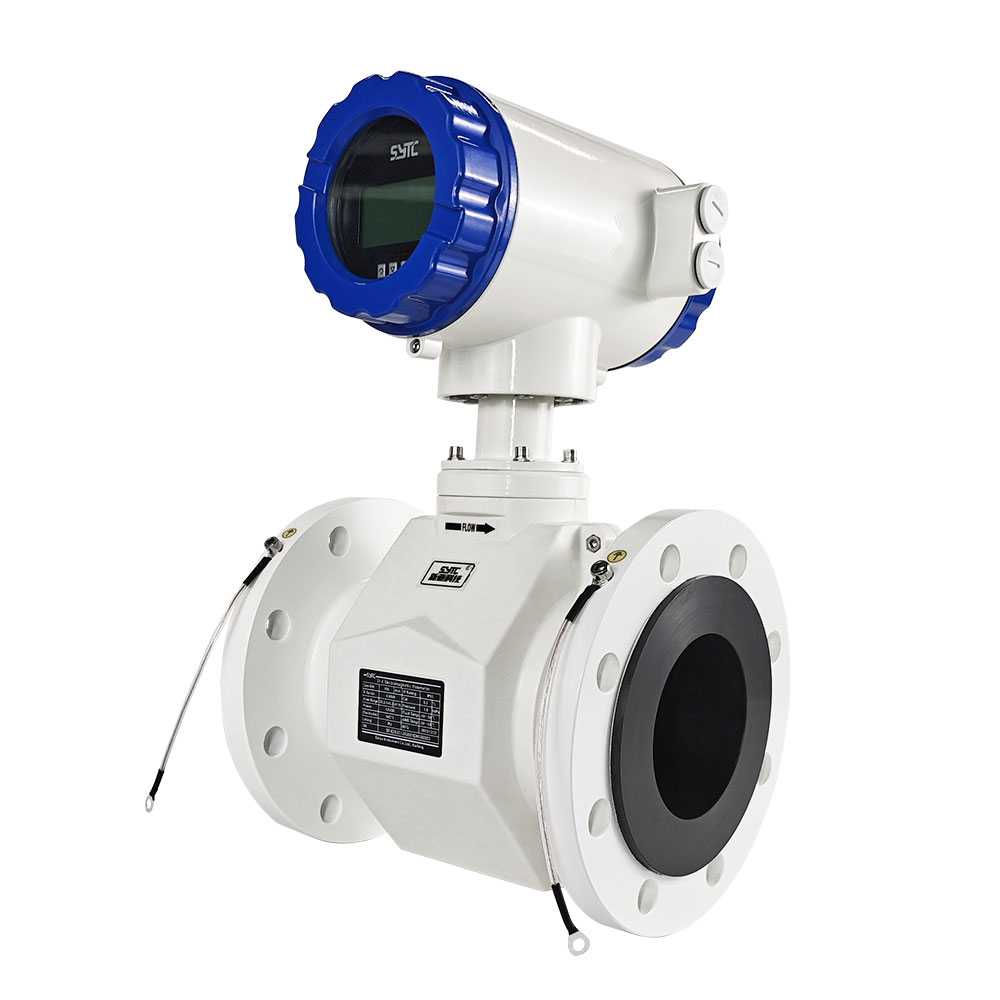
Polyurethane Lined Electromagnetic Flowmeter: Startup Checks
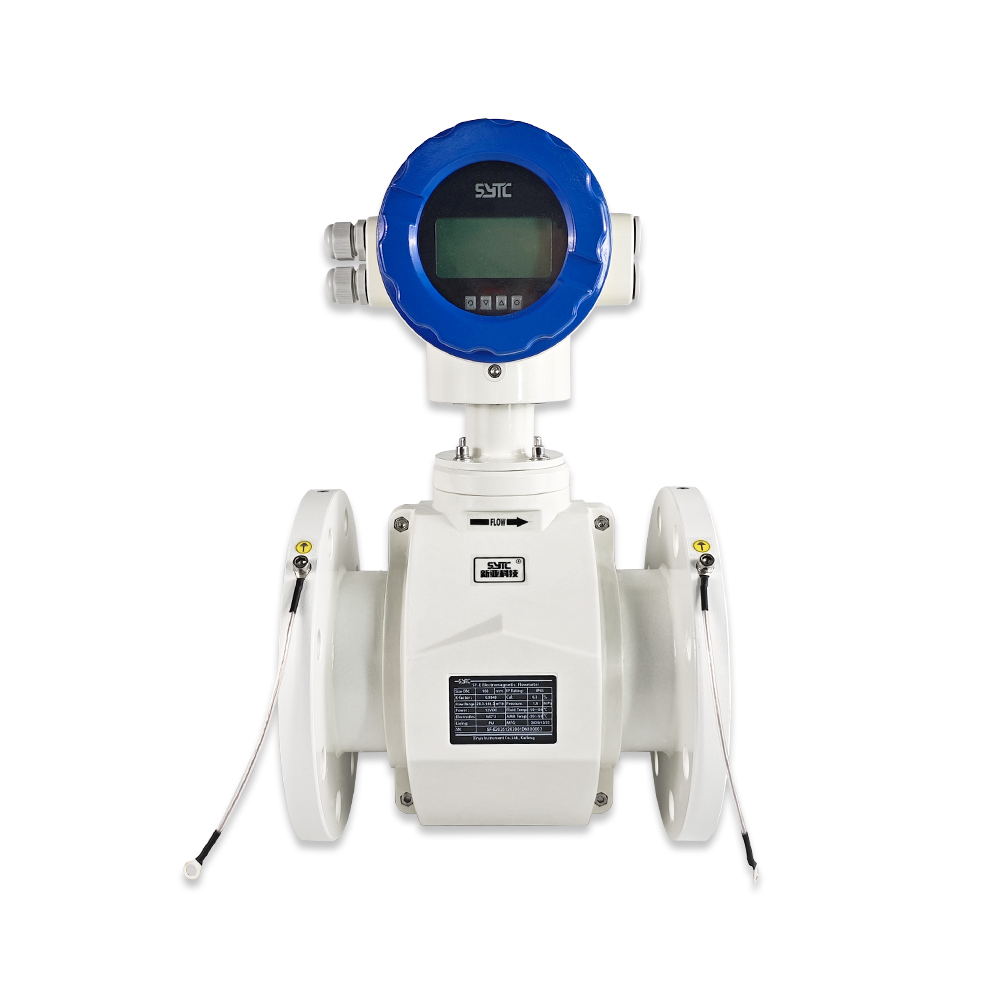
Direct answer: Intermittent operation does not automatically disqualify a polyurethane lined electromagnetic flowmeter from use on a slurry line. However, before specifying or accepting one for a line that frequently starts, stops, idles, or restarts, the actual hydraulic behavior during each of these phases — not just the nominal pipe size and flow rate — needs to be reviewed against the sensor's construction and the liner's stated limits.
A polyurethane liner is chosen primarily for abrasion resistance against solid particles in slurry. Whether it is appropriate for a specific intermittent-duty application depends on operating conditions that are separate from the lining material itself: pipe fullness, solids settling behavior, and pressure/vacuum events at startup and shutdown.
What Three Concerns Apply to Intermittent Slurry Operation?
1. Does the measuring tube remain full during idle periods?
Electromagnetic flow measurement principles generally require the pipe cross-section to be filled with liquid for the signal to represent true flow. If a line is allowed to partially drain during a stop, or if flow resumes before the tube is fully re-filled, the measurement may not reflect actual flow until full-pipe conditions are restored. This is a hydraulic/measurement question, not a liner-material question.
2. Do suspended solids settle out during idle time?
Slurries by definition carry solids in suspension. When velocity drops to zero during a stop, heavier or coarser particles may settle toward the bottom of the pipe depending on the slurry's specific settling characteristics (particle size, density, concentration, carrier fluid viscosity). The degree and speed of settling vary widely between slurries and cannot be generalized.
3. Do pump trips, draining, siphoning, or restart events create pressure transients or vacuum conditions?
Intermittent duty often involves pump starts and stops, check valve action, or elevation changes that can produce pressure surges, siphoning effects, or localized negative pressure in the line. These transient events are a function of the pump arrangement and pipeline profile, and they need to be evaluated independently of the flowmeter's measurement accuracy.
How Might Settled Solids Affect Restart or Measurement Stability?
If solids settle unevenly across the pipe cross-section during an idle period, two possible effects can occur at restart:
- Uneven solids distribution may cause a non-representative flow profile briefly after restart, which can affect signal stability until flow re-homogenizes.
- Depending on slurry characteristics, settled material may take time to re-suspend fully, which can influence readings during the early restart period.
This article does not claim that settled solids or uneven distribution will always degrade the polyurethane liner itself. Liner wear is a separate topic governed primarily by particle abrasiveness, velocity, and concentration during active flow — not by the act of sitting idle. The two issues (measurement stability during restart, and liner wear over service life) should be evaluated separately.
Why Does the Buyer Need to Disclose Operating Details?
A flowmeter supplier cannot accurately assess suitability for intermittent slurry duty without specific information about how the line actually operates. Buyers should be prepared to share:
- Normal shutdown duration — minutes, hours, or longer, and how frequently stops occur.
- Whether the pipe is drained during shutdown or remains full and static.
- Pump arrangement — single pump, multiple pumps, variable-speed control, and valve sequencing at start/stop.
- Minimum and maximum operating pressure expected during normal operation and during transient events.
- Possible negative pressure or vacuum conditions, such as those from siphoning, rapid valve closure, or pump trip.
- Slurry settling characteristics — particle size distribution, specific gravity, and typical solids concentration.
Without this information, any statement about suitability is speculative rather than engineering-based.
Operating Conditions Checklist
- [ ] Confirm whether the measuring section stays full of liquid during idle periods, or if partial draining occurs.
- [ ] Document the typical duration and frequency of shutdowns.
- [ ] Identify whether the pipe is drained by design (gravity, valve position) between runs.
- [ ] Record pump start/stop sequence and any check valve or air-relief provisions.
- [ ] Establish minimum and maximum pressure values during steady operation.
- [ ] Ask whether negative pressure/vacuum can occur during trip, drain-down, or restart.
- [ ] Describe slurry settling tendency — fast-settling solids vs. fine, slow-settling suspensions.
- [ ] Note elevation changes or siphon-prone sections in the pipeline layout.
- [ ] Clarify the sensor installation orientation (horizontal, vertical, electrode plane) relative to settling risk.
- [ ] Request the specific sensor's liner pressure and vacuum ratings from the manufacturer before finalizing selection.
Frequently Asked Questions
Can a magnetic flowmeter measure intermittent flow?
In many cases, yes — electromagnetic flow sensors are commonly used on lines that start and stop. The key requirement is that the pipe is full of liquid when a measurement is expected to be valid; readings during partial fill, air entrainment, or incomplete refill after restart may not represent true flow until full-pipe conditions return.
What should be checked after a long shutdown?
After an extended idle period, it is reasonable to check that the pipe has refilled completely, that settled solids (if any, depending on slurry type) have had a chance to re-suspend under flow, and that the signal has stabilized before relying on readings for critical decisions. The specific wait time depends on the slurry and pipeline, and should not be assumed without supplier or process engineering input.
Does positive normal operating pressure rule out vacuum risk?
Not necessarily. A line that runs at positive pressure under normal steady flow can still experience negative pressure or vacuum conditions during transient events such as pump trips, rapid valve closures, or siphoning on restart. Normal operating pressure and transient/worst-case pressure are two different things that both need to be disclosed and reviewed.
Final Recommendation
Before finalizing a polyurethane-lined electromagnetic flowmeter for an intermittently operated slurry line, confirm the following directly with the manufacturer: the exact sensor construction (liner material, electrode configuration, grounding provisions), the documented pressure and vacuum limitations for that specific liner and sensor model, the planned installation arrangement (orientation, upstream/downstream conditions), and the actual process cycle (start/stop frequency, drain behavior, and transient pressure events). Kaifeng Xinya Instrument Co., Ltd. produces slurry-duty electromagnetic flowmeters with wear-resistant lining options, including polyurethane, as part of its product line; suitability for a specific intermittent-duty scenario should be confirmed against that model's approved technical documentation rather than assumed from general liner properties.
https://www.sytcflowmeter.com/
Kaifeng Xinya Instrument Co., Ltd.
About Author