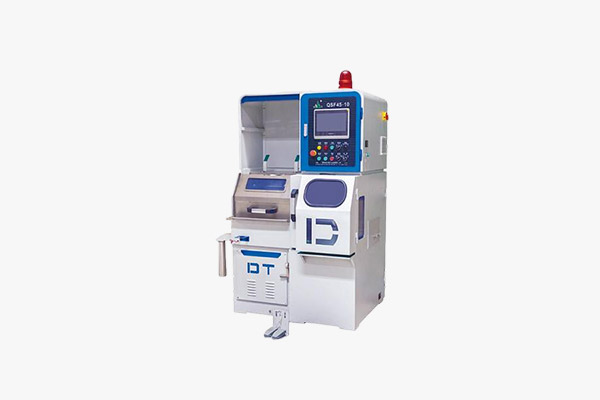
Simply put, remote data transmission means sending the operating data from a wire drawing machine on the production floor to a computer through wired or wireless networks. With this system in place, operators and managers can monitor equipment status, parameters, and production output directly from the office without needing to constantly visit the workshop.
In today’s data-driven manufacturing environment, more factories are beginning to adopt remote monitoring systems to improve efficiency and equipment management. The following is a brief introduction to how remote data transmission works for wire drawing machines.
1. What Data Can Be Transmitted?
A remote monitoring system can collect and transmit a variety of operating data from the wire drawing machine, including:
-
Speed, tension, temperature, current, and wire diameter
-
Operating status such as running, stopped, or fault conditions
-
Alarm and warning messages
-
Production output, such as total length produced
-
Running time and machine operating duration
These data points allow operators to understand machine performance in real time and analyze production trends later.
2. How Data Is Transmitted
The basic structure of a remote data transmission system for a wire drawing machine usually includes the following steps:
-
Wire drawing machine with PLC or controller
The machine collects operational data through its control system. -
Add a communication module
Common modules include Ethernet ports, RS485 interfaces, WiFi modules, or 4G gateways. -
Network transmission
Data is transmitted through the factory network or the internet. -
Data reception on computer or cloud platform
The collected information is sent to a computer system or cloud server. -
Data visualization and monitoring
Users can view the information through configuration software, web platforms, or mobile applications.
Through this process, production managers can check equipment status and production conditions anytime.
3. Common Communication Methods
Ethernet (Wired Network)
Ethernet is the most stable and reliable solution within a factory environment. It requires running network cables between the machine and the monitoring system.
WiFi
WiFi communication is suitable when running cables is inconvenient or when the equipment location may change frequently.
4G / 5G Network
Mobile networks are often used for cross-factory monitoring or remote access from different geographic locations. This solution is useful for companies managing multiple production sites.
4. What Can Be Achieved with Remote Monitoring?
After implementing a remote data transmission system, several practical benefits can be realized:
-
Real-time monitoring of wire drawing machine status from a computer
-
Historical data curves and production reports
-
Fault alerts and alarm notifications
-
Reduced need for manual inspection in the workshop
This helps improve operational efficiency and allows technical personnel to respond quickly to equipment issues.
5. Requirements for Remote Data Transmission on Wire Drawing Machines
Not all machines can directly support remote monitoring. The equipment must meet several basic conditions.
1. The Machine Must Have a PLC or Controller
If an older machine uses only relays and contactors without a control board, it usually cannot transmit data directly.
Most modern wire drawing machines are equipped with PLC systems from manufacturers such as:
-
Siemens
-
Mitsubishi
-
Inovance
-
Delta
These systems make data communication possible.
2. The Machine Must Have a Communication Interface
At least one of the following communication ports is required:
-
Ethernet port
-
RS485 serial port
-
Support for WiFi or 4G communication modules
If the machine does not have a communication port, it may still be possible to add a module, but the modification will be more complicated.
3. Data Must Be Readable from the PLC
Operational parameters must be stored in PLC registers so they can be accessed by the monitoring system.
Typical readable data includes:
-
Machine speed
-
Tension values
-
Temperature
-
Current
-
Running status
-
Production output
Without defined register addresses, the computer cannot read the data.
4. Stable Power Supply and Operating Environment
Reliable operation requires stable electrical conditions.
-
Normal 220V or 380V power supply
-
Avoid strong electromagnetic interference, such as areas near large motors or frequency converters
Excessive interference may cause unstable data transmission.
5. Network Connectivity
The machine must be able to connect to the same network as the monitoring system.
Common solutions include:
-
Wired LAN connection within the workshop
-
WiFi module when cable installation is difficult
-
4G module for remote or cross-site monitoring
As long as the equipment can connect to the network where the monitoring computer is located, remote data transmission can be implemented.
Simple Criteria to Determine Whether Remote Monitoring Is Possible
A wire drawing machine can generally support remote data transmission if it meets the following conditions:
-
The machine has a PLC
-
It has an Ethernet or RS485 communication port
-
The system can read operational data such as speed, temperature, and running status
-
The machine can connect to a network (LAN, WiFi, or 4G)
If these conditions are satisfied, implementing remote data transmission is relatively straightforward.
Conclusion
Remote data transmission allows manufacturers to monitor wire drawing machine performance in real time without being physically present on the production floor. By integrating PLC systems, communication modules, and network connections, factories can collect valuable operational data and improve equipment management.
With the increasing adoption of digital manufacturing and industrial data systems, remote monitoring is becoming an important step toward smarter and more efficient production management.
www.dtwiredraw.com
DINGTIAN
About Author