In modern injectable drug production, “clean” is not merely a hygiene standard—it is a regulatory imperative. Even microscopic particulates in glass vials can compromise product integrity, trigger batch rejection, or pose safety risks to patients. For pharmaceutical manufacturers, the bottleneck is not just washing; it is eliminating micro-particulates that are invisible to the naked eye yet critical to sterility and compliance. Jiangsu Pharmasys Intelligent Equipment Co., Ltd. specializes in aseptic equipment for injectable drug production, offering high-performance and cost-effective solutions across filling, stoppering, capping, and precision liquid handling. Among these, the Pharmasys ultrasonic bottle washing machine is a key technology for ensuring glass clarity and particulate control, especially for high-stakes applications such as biologics, medical aesthetics, and advanced formulations. This article explains how ultrasonic cleaning eliminates micro-particulates safely, and why it has become an industry standard for pharmaceutical vial preparation.
1. Why micro-particulates are the real hidden risk in vial production
Glass vials and bottles can carry a variety of particulates that are difficult to remove with conventional washing methods. These include:
-
Silicate and glass fines from machining and handling
-
Dust and fibers from packaging and cleanroom environments
-
Organic residues from lubricants, labels, or human contact
-
Mineral deposits from water impurities
-
Microbial biofilms that are not visible but can persist in microcrevices
The International Council for Harmonisation (ICH) and regulatory bodies like the FDA emphasize particulate control as a critical aspect of injectable product quality. In sterile production, particulates are not just a cleanliness issue—they are a direct risk to patient safety and product stability.
2. Why traditional washing cannot fully eliminate micro-particulates
Standard washing approaches such as rinsing, spray washing, or detergent immersion face inherent limitations:
-
Insufficient penetration: Particulates lodged in microcrevices may not be dislodged by flow alone.
-
Surface tension effects: Water and detergent can leave behind residues or fail to reach areas where particulates adhere.
-
Risk of secondary contamination: Manual handling and air drying can reintroduce particulates.
-
Incomplete removal of submicron particles: These often require mechanical agitation or cavitation to dislodge.
In contrast, ultrasonic cleaning uses high-frequency sound waves to create microscopic cavitation bubbles that implode near surfaces, generating localized shear forces that dislodge particles without damaging the glass.
3. Ultrasonic cavitation: the core mechanism that removes micro-particulates
Ultrasonic cleaning works through a phenomenon called cavitation. When ultrasonic waves propagate through a liquid, they generate alternating compression and rarefaction cycles. In the rarefaction phase, microscopic bubbles form; in the compression phase, these bubbles collapse violently. This implosion creates localized shock waves and microjets that:
-
Break adhesive forces between particulates and glass surfaces
-
Disrupt biofilms and organic films
-
Remove submicron particles that resist conventional washing
-
Clean internal surfaces of bottles and vials with consistent intensity
The key advantage is that cavitation targets particles at a micro-level without requiring harsh chemicals or abrasive actions. This is especially important for pharmaceutical glassware, where surface integrity and compliance are essential.
4. How Pharmasys ultrasonic bottle washing machines ensure safe particulate removal
Pharmasys ultrasonic bottle washing machines are engineered to integrate into aseptic production lines, meeting pharmaceutical standards for cleanliness, automation, and repeatability. Their design focuses on:
-
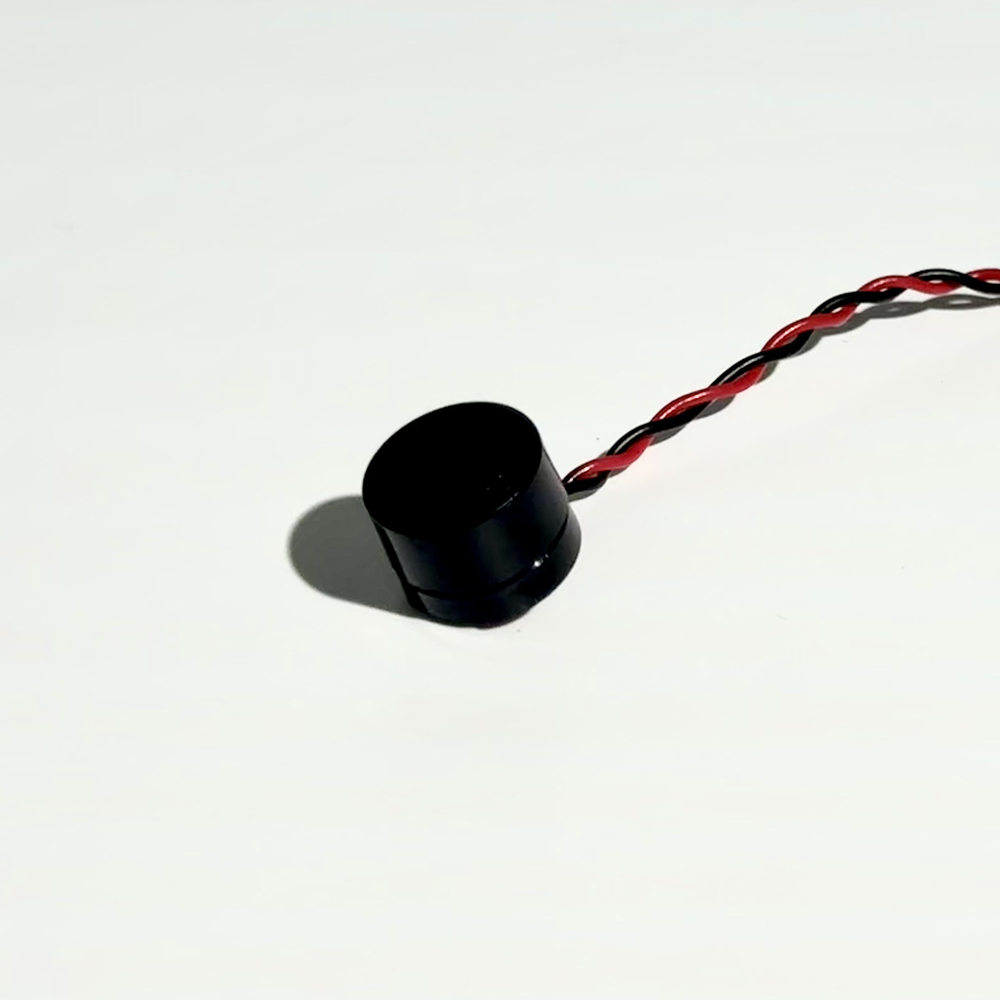
High-frequency ultrasonic transducers that generate consistent cavitation across the washing chamber
-
Uniform cleaning coverage through optimized wave propagation and tank geometry
-
Controlled temperature and fluid dynamics to prevent overheating and maintain cleaning efficiency
-
Automated wash cycles that reduce manual handling and contamination risk
In pharmaceutical manufacturing, repeatability is as important as performance. Pharmasys ultrasonic systems support stable cleaning outcomes that align with GMP and quality control requirements.
5. Why ultrasonic cleaning is the safest method for sensitive glassware
The “safe” aspect of ultrasonic cleaning has two dimensions:
-
Glass integrity: Unlike mechanical scrubbing or abrasive media, ultrasonic cavitation does not scratch or weaken the glass surface. It removes particles without altering the surface finish, which is crucial for injectable vials where surface defects can propagate cracks or stress points.
-
Chemical safety: Ultrasonic cleaning can operate effectively with water-based solutions and minimal detergent. Pharmasys emphasizes aseptic compatibility, meaning cleaning processes are designed to avoid introducing harmful residues or chemical contaminants that could interfere with drug stability.
Industry data supports the safety of ultrasonic cleaning in pharmaceutical settings. Aseptic production lines increasingly rely on ultrasonic methods for critical cleaning steps because they reduce contamination risk while maintaining surface integrity.
6. The role of water quality and filtration in micro-particulate elimination
Even ultrasonic cleaning can be compromised if the wash water itself contains particulates. This is why Pharmasys systems typically integrate with high-quality water handling and filtration.
Key elements include:
-
RO (Reverse Osmosis) water to minimize mineral content
-
Fine filtration to remove micro-particles before they re-enter the cleaning cycle
-
Controlled recirculation to maintain consistent fluid purity
-
Automated monitoring to detect changes in water quality
In pharmaceutical production, water quality is a core determinant of cleaning efficacy. Poor water quality can negate ultrasonic benefits by reintroducing particulates during the rinse phase.
7. Optimizing ultrasonic cleaning parameters for glass clarity
To maximize particulate removal, ultrasonic cleaning requires precise control of several parameters:
-
Frequency: Higher frequencies generate smaller cavitation bubbles, improving cleaning of submicron particles.
-
Power density: Proper power ensures adequate cavitation without overheating.
-
Temperature: Warmer water reduces surface tension and improves cleaning, but excessive heat can affect glass or equipment.
-
Cycle time: Overly long cycles waste energy; too short cycles may leave particles behind.
-
Rinse strategy: Multi-stage rinsing prevents redeposition of dislodged particles.
Pharmasys equipment supports parameter optimization, enabling manufacturers to balance efficiency and safety while meeting regulatory standards.
8. Integrating ultrasonic bottle washing into aseptic filling lines
Ultrasonic bottle washing is not an isolated process; it is a critical component of the entire aseptic filling workflow. Pharmasys provides comprehensive solutions for injectable production, including filling, stoppering, capping, and precision liquid handling. An integrated ultrasonic washing stage offers:
-
Consistent vial quality before filling
-
Reduced particulate load entering the filling zone
-
Lower risk of contamination-related batch rejection
-
Improved line efficiency through automation
In high-volume injectable production, particulate control is a major contributor to yield and compliance. Ultrasonic washing acts as a preventative measure that protects downstream processes.
9. Practical steps for operators: how to verify micro-particulate removal
Operators can use several practical methods to verify the effectiveness of ultrasonic cleaning:
-
Particle counting: Automated particle counters can measure particulate levels before and after washing.
-
Visual inspection under controlled lighting: Even though micro-particulates are often invisible, controlled inspection can identify residual residues.
-
Surface sampling and microscopy: In high-risk environments, microscopic inspection can confirm the absence of particles.
-
Process validation: Documented validation protocols ensure consistent results across batches.
In pharmaceutical environments, validation is essential. Pharmasys equipment supports repeatable cleaning cycles that can be validated for compliance with internal quality standards and regulatory expectations.
10. FAQ
Q1: Can ultrasonic cleaning damage glass vials?
A1: When properly configured, ultrasonic cleaning is non-abrasive and safe for glass. It removes particles without scratching or weakening the surface, making it suitable for aseptic vial preparation.
Q2: Does ultrasonic cleaning require harsh chemicals?
A2: No. Ultrasonic cleaning is effective with water-based solutions and minimal detergent. This reduces chemical residues and improves safety for injectable applications.
Q3: How does ultrasonic cleaning compare to spray washing?
A3: Ultrasonic cleaning uses cavitation to dislodge micro-particulates that spray washing may miss, especially in microcrevices and internal surfaces.
Q4: Is ultrasonic cleaning compliant with pharmaceutical standards?
A4: Yes. When integrated into a validated aseptic line and combined with high-quality water handling, ultrasonic cleaning supports GMP compliance and particulate control.
Conclusion
The secret to crystal-clear glass in pharmaceutical production is not simply washing—it is eliminating micro-particulates in a repeatable, safe, and validated way. Pharmasys ultrasonic bottle washing machines leverage cavitation to dislodge microscopic particles and organic residues without damaging the glass or introducing chemical contaminants. When paired with high-quality water filtration and integrated into an aseptic filling line, ultrasonic cleaning becomes a powerful tool for ensuring product quality and regulatory compliance. For pharmaceutical manufacturers seeking reliable particulate control, Pharmasys offers high-performance, cost-effective solutions designed for injectable drug production, helping protect product integrity from the first washing step to final packaging.
www.pharmasys-tech.com
Jiangsu Pharmasys Intelligent Equipment Co., Ltd.
About Author