Searches for “top 10 aggregate crusher brands 2025” are understandable. A buyer facing dozens of manufacturers wants a short list.
The problem is that most online rankings do not explain:
- Who created the ranking
- Which countries were assessed
- Whether sales, technology or installed equipment was measured
- Which crusher types were compared
- Whether the list was sponsored
- Whether local service was considered
It is now 2026. Copying an old top-ten list is unlikely to help a quarry choose the right supplier.
A more useful approach is to evaluate manufacturers against the actual project.
Begin with application fit
A strong brand in one application may not be the best fit for another.
A recycling contractor, limestone quarry and hard-rock metal mine have different requirements. The correct evaluation begins with:
- Raw material
- Feed size
- Required capacity
- Finished-product specifications
- Operating hours
- Mobility requirements
- Local power
- Maintenance capability
- Planned project life
A manufacturer should be able to explain why a jaw crusher, gyratory crusher, cone crusher, impact crusher or VSI is suitable for each stage.
If the proposal consists only of model numbers and motor powers, the application review is incomplete.
Check whether “high capacity” refers to one machine or the complete plant
A high-capacity aggregate crusher for mining projects may have impressive nominal throughput.
The finished output of the plant depends on much more:
- Feeder stability
- Crusher feed grading
- Closed-side setting
- Screen capacity
- Screening efficiency
- Recirculating load
- Conveyor capacity
- Equipment availability
- Product mix
For large-scale quarry operations, ask the supplier to provide a process flow and mass balance. The document should distinguish fresh feed, internal circulation and finished-product output.
A large crusher installed in an unbalanced line simply moves the bottleneck elsewhere.
Evaluate the product range—but do not reward unnecessary complexity
A manufacturer with jaw crushers, cone crushers, screens, feeders and conveyors can evaluate the complete line more easily than a supplier selling only one isolated machine.
However, a long product catalogue is not proof of engineering quality.
Check whether the proposed equipment serves a clear process purpose. Additional crushing stages, screens and conveyors increase capital cost, power demand and maintenance.
The best proposal is not necessarily the one with the most equipment. It is the one that produces the required saleable products with a practical process.
Ask for relevant projects, not famous names
A project reference is useful when it resembles the proposed application.
Ask for:
- Similar raw material
- Comparable feed size
- Similar capacity
- Same crusher duty
- Similar climate
- Comparable product specifications
- Relevant photos or operating footage
A 1,000 TPH limestone plant does not automatically prove performance in highly abrasive granite. A mobile recycling reference does not demonstrate the same capability as a permanent mining line.
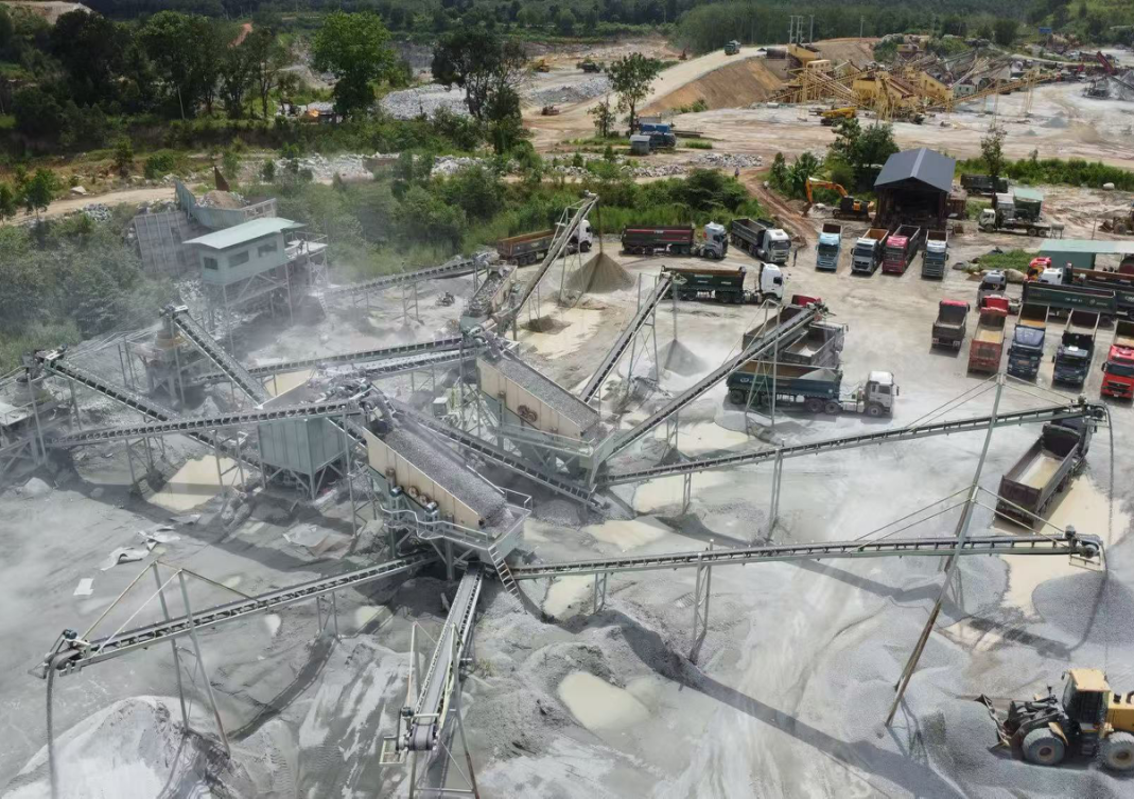
Leimeng Group’s project experience includes large aggregate lines, hard-rock projects and stationary and mobile equipment supplied to overseas markets. Each reference should still be presented with enough context for the buyer to judge its relevance.
Examine manufacturing capability
Determine whether the supplier is a manufacturer, an engineering company, a trading company or a combination of these.
Useful evidence includes:
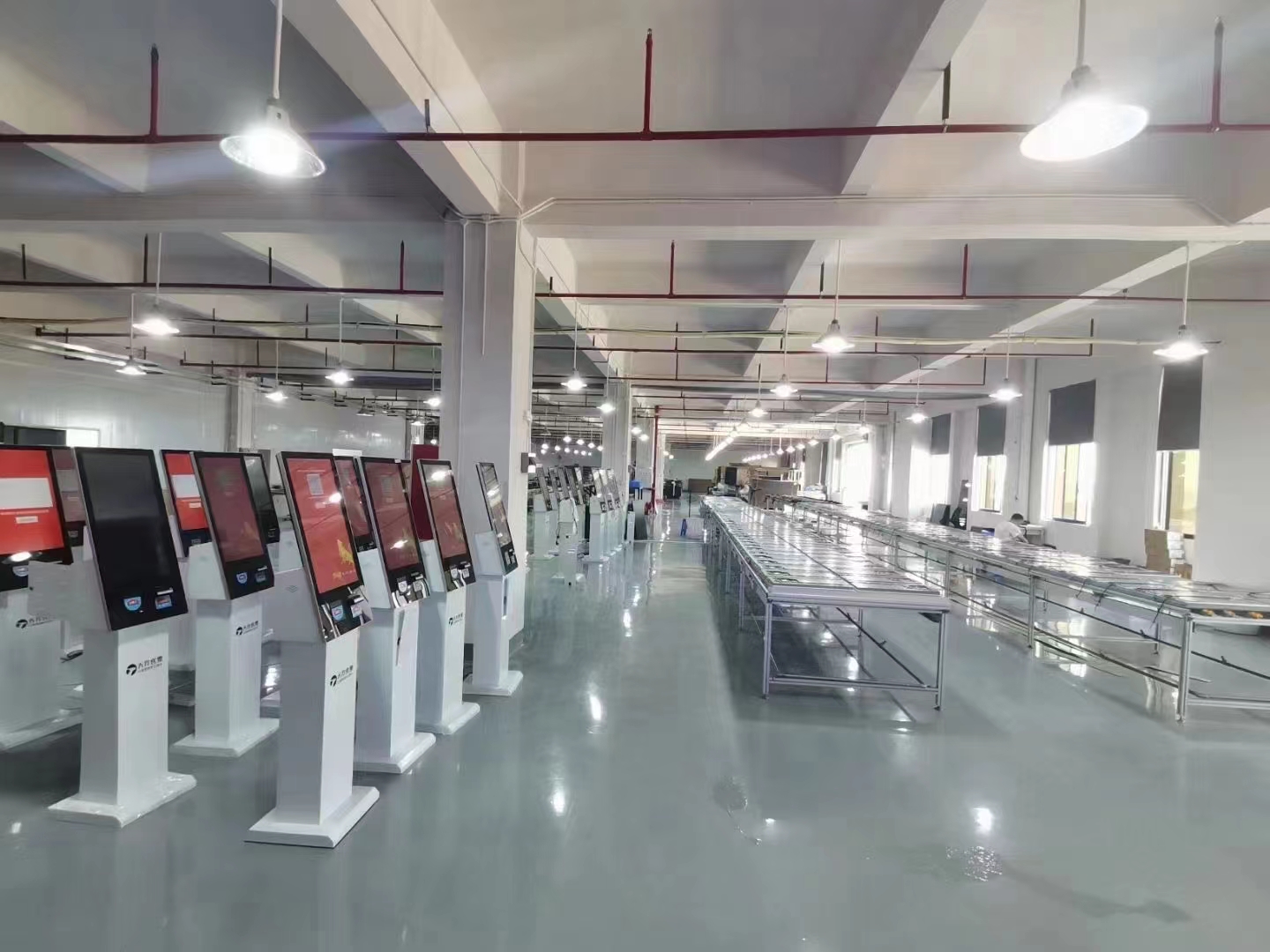
- Production facilities
- Machining equipment
- Fabrication capability
- Assembly areas
- Inspection records
- Material certificates
- Test procedures
- Traceable equipment identification
Factory scale alone does not guarantee product quality, but it helps verify whether the company can manufacture and support heavy equipment.
Compare total cost, not only purchase price
Crusher total cost of ownership includes:
- Purchase price
- Freight and installation
- Energy
- Wear parts
- Maintenance labour
- Downtime
- Spare-parts inventory
- Technical support
- Lost production
- Future modifications
A cheaper machine may be the better investment if it is correctly selected and supported. A more expensive machine may be justified if it reduces downtime or produces more saleable material.
Neither conclusion can be reached from the quotation total alone.
Review wear parts and maintenance access
Before ordering, ask:
- Which parts are expected to wear?
- How are they replaced?
- What lifting tools are required?
- How much maintenance space is needed?
- Which parts should be stored locally?
- What are the expected lead times?
- Are original drawings and serial records retained?
Wear-life promises should state the material and operating basis. A liner-life figure without abrasiveness, feed grading and operating hours is not meaningful.
Test the supplier’s after-sales process before purchasing
Do not wait for a breakdown to discover how technical support works.
Ask the supplier to explain:
- Who receives a technical request?
- What information must the client provide?
- How are replacement parts confirmed?
- Is remote troubleshooting available?
- Can installation guidance be provided?
- How are urgent parts shipped?
- Can the supplier support future expansion?
A clear process is more valuable than a general promise of “24-hour service.”
A practical manufacturer scorecard
A buyer can score each manufacturer in seven areas:
1. Application engineering
Does the proposal use real material and production data?
2. Process balance
Are feeders, crushers, screens and conveyors reviewed together?
3. Manufacturing evidence
Can the supplier document its production and quality-control capability?
4. Relevant references
Are comparable operating projects available?
5. Maintenance and spare parts
Is there a clear plan for wear and critical components?
6. Overseas support
Are installation, commissioning and troubleshooting responsibilities defined?
7. Commercial clarity
Does the quotation clearly state inclusions, exclusions, warranty and delivery scope?
The weighting should reflect the project. A remote mine may assign greater weight to spare parts, while a short-term contractor may value transportability and deployment speed.
Where Leimeng fits
Leimeng Group manufactures feeding, crushing, screening, sand-making, washing and conveying equipment. The company also provides stationary, mobile and modular production-line solutions, EPC services and overseas spare-parts support.
That does not mean Leimeng should be selected without evaluation. Clients should compare the proposed process, relevant references, technical scope and lifetime support with their project requirements.
A credible supplier should welcome that comparison.
Conclusion
A “top 10 aggregate crusher brands” list can provide names to research. It cannot select equipment for a specific quarry or mine.
The right manufacturer is the one that understands the material, balances the complete process, documents the scope and can support the equipment after delivery.
For a high-capacity aggregate plant, those factors matter more than an unexplained position in an online ranking.
https://www.lmcrusher.com/
GUANGDONG LEIMENG INTELLIGENT EQUIPMENT GROUP CO.,LTD.
About Author