In process industries, temperature control is not simply a supporting function—it is often a decisive factor in product quality, operational safety, and energy efficiency. Whether heating oils, gases, water, or air, industrial systems rely on stable and controllable heat sources to maintain continuous operation. Among the various electric heating solutions available today, immersion heaters with vessels have become a widely adopted choice due to their efficiency, flexibility, and reliability.
This article explores the top applications of immersion heaters with vessels across major process industries, explaining why they are used, how they fit into industrial systems, and what technical features make them suitable for demanding environments.
The Role of Electric Heating in Process Industries
Electric industrial heaters are used in situations where the temperature of a medium—liquid or gas—must be increased, stabilized, or maintained within a defined range. Typical scenarios include warming lubricating oil before it is supplied to machinery, heating process gases to prevent condensation, or maintaining water temperature in closed-loop industrial systems.
At the core of these applications is heat transfer, the process by which electrical energy is converted into thermal energy and delivered to a system or process stream. Compared with fuel-based heating, electric heating provides higher controllability, cleaner operation, and easier integration with automated control systems.
What Makes Immersion Heaters with Vessels Suitable for Process Use
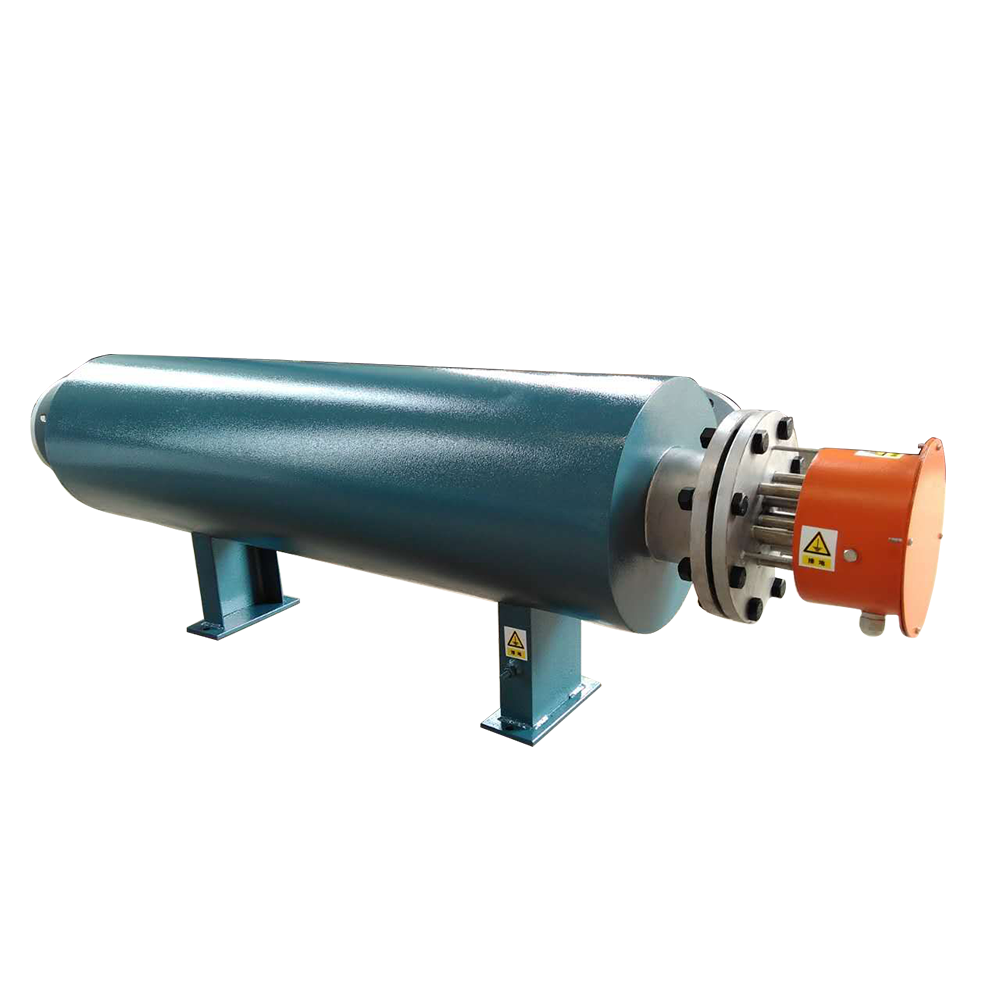
An immersion heater with vessel combines electric heating elements and a pressure-rated container into a single, integrated unit. The heating elements are directly immersed in the medium, allowing heat to be transferred efficiently through conduction and convection. With thermal efficiencies reaching approximately 99%, this design minimizes energy loss while providing fast response to temperature changes.
The vessel structure also enables the installation of sensors, safety devices, and control interfaces, making immersion heaters suitable for complex industrial processes that require high reliability and safety.
Key Types of Industrial Electric Heaters
Immersion heaters with vessels are part of a broader family of industrial electric heaters, including:
-
Flange heaters, commonly mounted on tanks and pipelines
-
Over-the-side heaters, designed for open or semi-open tanks
-
Screw plug heaters, compact units for smaller vessels
-
Circulation heaters, used for inline heating of flowing media
Each type offers different mounting options, power ranges, and operating characteristics, allowing engineers to match the heater design to process requirements.
Major Applications of Immersion Heaters with Vessels
1. Oil Heating in Industrial Systems
Oil heating is one of the most common applications of immersion heaters with vessels. Lubricating oil, fuel oil, and thermal oil often require controlled heating to maintain proper viscosity and flow characteristics.
In cold environments or during startup, insufficient oil temperature can lead to poor lubrication, increased wear, and equipment damage. Immersion heaters provide stable and uniform heating, ensuring that oil reaches the required temperature before entering pumps, compressors, or turbines.
2. Water Heating for Industrial Processes
In industrial heating systems, water is frequently used as a heat transfer medium or process fluid. Immersion heaters with vessels are used to heat water in closed-loop systems, cleaning processes, and auxiliary heating applications.
The ability to precisely control temperature and integrate pressure and flow monitoring makes these heaters well suited for continuous operation, where stability and repeatability are essential.
3. Natural Gas and Industrial Gas Heating
Heating gases such as natural gas, seal gas, and fuel gas is critical in many process industries. Gas heating helps prevent condensation, stabilize combustion, and protect downstream equipment.
Immersion heaters with vessels are often used in gas heating systems where safety is a priority. Explosion-proof designs allow reliable operation in hazardous areas, such as Zone II explosive gas environments, while maintaining consistent thermal performance.
4. Process Gas Heating in Chemical and Manufacturing Plants
Beyond fuel gases, many industrial processes require controlled heating of process gases. These may include nitrogen, air, or specialty gases used in chemical reactions or manufacturing steps.
Immersion heaters with vessels enable accurate temperature control and fast response, supporting stable process conditions and reducing the risk of product inconsistency.
5. Air Heating Applications
Air heating is another important application area. Immersion heater systems are used to heat pressurized air, burner air, and air for industrial drying technologies.
By delivering clean and controllable heat, electric immersion heaters help improve energy efficiency and process reliability, particularly in applications where temperature fluctuations can negatively affect drying quality or combustion efficiency.
6. Environmental Technology and Emission Control
In environmental protection systems, immersion heaters with vessels play a role in exhaust air cleaning and catalytic afterburning processes. These systems require precise temperature control to ensure effective treatment of exhaust gases and compliance with environmental regulations.
Electric heating supports green and environmentally friendly operation, aligning with national policies focused on emission reduction and energy efficiency.
7. Steam Generation and Superheating
Immersion heaters with vessels are also applied in steam generators and steam superheaters used in industrial process technology. In these systems, accurate temperature control is critical for maintaining steam quality and protecting downstream equipment.
Electric steam heating systems offer fast response times and can be easily integrated into automated production environments.
Technical Features That Support Industrial Applications
Immersion heaters with vessels are designed to meet demanding industrial requirements:
-
Customizable power output to match specific process needs
-
High thermal efficiency through direct immersion heating
-
Explosion-proof construction for hazardous environments
-
Advanced safety protection, including overheating protection in case of flow interruption
-
Interlocking control systems for temperature, pressure, and flow
-
Optimized internal thermodynamic design to eliminate heating dead zones
These features ensure stable performance, reduced energy consumption, and long service life.
Industrial Solutions from Jiangsu Weineng Electric Co., Ltd
Jiangsu Weineng Electric Co., Ltd focuses on the development and manufacture of industrial electric heating equipment designed for real process conditions. The company emphasizes customization, safety, and system integration, enabling its products to serve a wide range of industries, from oil and gas to environmental technology and industrial manufacturing.
By combining thermodynamic design principles with robust engineering, Weineng Electric provides immersion heater solutions that support efficient, safe, and sustainable industrial operations.
Explore Weineng Electric’s industrial heating product range here:
�� product
Conclusion
Immersion heaters with vessels are a versatile and reliable solution for process industries that require precise and efficient heating of liquids and gases. Their applications span oil heating, water systems, gas processing, air heating, environmental technology, and steam generation.
With high thermal efficiency, strong safety features, and compatibility with automated control systems, these heaters support stable industrial processes and long-term operational performance. Supported by experienced manufacturers such as Jiangsu Weineng Electric Co., Ltd, immersion heaters with vessels continue to play a vital role in modern process industries.
www.wnhthermo.com
Jiangsu Weineng Electric Co., Ltd.
About Author