In modern food, logistics, and retail industries, packaging is no longer just about wrapping a product—it is about protection, efficiency, hygiene, and presentation. One of the most widely used solutions for daily-use products and fresh goods is the cling film packaging machine. Understanding what this machine is, how it works, and where it fits into production can help businesses make better packaging decisions and improve operational efficiency.
Understanding Cling Film Packaging Machines
A cling film packaging machine is designed to wrap products with stretchable plastic film that adheres tightly to surfaces without requiring heat sealing in most cases. The film clings to itself, creating a secure and protective wrap around items such as fresh food trays, vegetables, fruits, meat products, daily consumer goods, or bundled industrial items.
Unlike shrink wrapping, which relies on heat to contract the film, cling film wrapping uses mechanical stretching. This makes it especially suitable for heat-sensitive products and environments where fast, clean packaging is required.
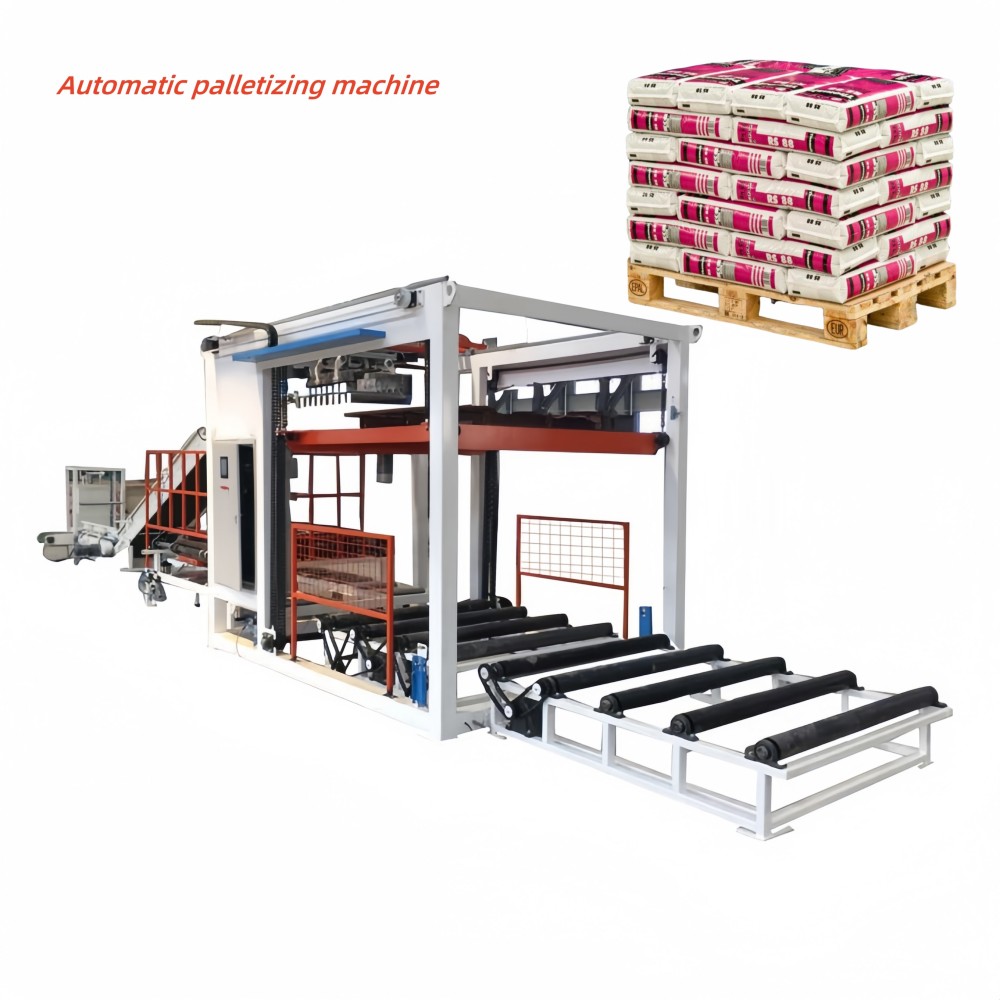
In industrial and logistics scenarios, cling film technology is also used for pallet wrapping. Automatic systems apply pre-stretched film to stabilize loads during transportation and storage.
Core Components of a Cling Film Packaging Machine
Although designs vary depending on the level of automation, most cling film packaging machines share several essential components:
Film Holder and Stretching System
This mechanism controls film tension and stretch ratio. Proper stretching ensures tight wrapping while minimizing film consumption.
Product Platform or Conveyor
Items are either manually placed or automatically conveyed into the wrapping position.
Cutting Mechanism
Once wrapping is complete, the film is cut cleanly to separate the packaged product.
Control System
Modern machines use PLC or digital control panels that allow operators to adjust film tension, wrapping speed, and cycle time.
In fully automatic systems, these components work in coordination to achieve consistent packaging results with minimal human intervention.
How Does a Cling Film Packaging Machine Work?
The working process can be broken down into several practical steps:
Product Positioning
The product is placed on a platform or conveyed into the wrapping zone. In food applications, this often involves trays or containers.
Film Stretching and Application
The machine pulls cling film from the roll and stretches it as it wraps around the product. The stretching force allows the film to cling tightly without adhesives.
Wrapping Completion
The film overlaps and adheres to itself, forming a secure seal around the product.
Film Cutting
An integrated cutting system separates the wrapped product from the film roll, completing the cycle.
For pallet wrapping machines, the principle is similar but scaled up. The pallet rotates or the wrapping arm moves around the load while pre-stretched film is applied layer by layer, ensuring load stability during handling and transportation.
Practical Applications Across Industries
Cling film packaging machines are widely used because of their adaptability and efficiency.
Food Processing and Retail
Supermarkets and food producers use cling film to wrap fresh produce, meat, seafood, and ready-to-eat meals. The film provides visibility, hygiene, and moisture retention.
Logistics and Warehousing
Pallet wrapping ensures goods remain stable during shipping. Automatic pre-stretch systems reduce film usage while maintaining load security.
Manufacturing and Distribution
Small products, spare parts, and bundled goods are often wrapped to prevent dust and movement during storage.
E-commerce Fulfillment
Cling film helps secure multiple items together, reducing internal movement inside cartons.
Benefits of Using Cling Film Packaging Machines
From an operational perspective, these machines offer tangible advantages:
Improved Packaging Consistency
Machine wrapping delivers uniform tension and appearance compared to manual wrapping.
Material Efficiency
Controlled film stretching reduces waste and lowers long-term packaging consumption.
Higher Throughput
Automated or semi-automatic systems significantly increase packaging speed.
Enhanced Product Protection
Tight wrapping minimizes exposure to air, dust, and moisture.
Labor Optimization
Machines reduce reliance on manual labor, allowing staff to focus on higher-value tasks.
Manual vs. Semi-Automatic vs. Fully Automatic Machines
Choosing the right type of cling film packaging machine depends on production scale and workflow.
Manual Machines
Suitable for small businesses with low packaging volumes. Operators control most steps.
Semi-Automatic Machines
Balance efficiency and cost. Operators load products, while the machine handles wrapping and cutting.
Fully Automatic Machines
Designed for high-volume production lines. These systems integrate conveyors, sensors, and automated film control for continuous operation.
For pallet packaging, fully automatic solutions are especially valuable in logistics centers and manufacturing plants with consistent shipping volumes.
Key Factors to Consider When Choosing a Machine
When selecting a cling film packaging machine, businesses should evaluate:
Product Size and Shape
Machines must accommodate the dimensions and weight of the items being wrapped.
Packaging Volume
Daily output requirements determine the level of automation needed.
Film Type Compatibility
Ensure the machine supports the desired film thickness and material.
Maintenance and Durability
Industrial environments require robust construction and easy maintenance access.
Technical Support and Customization
Reliable suppliers, such as Muniu Machinery, offer customization options and after-sales support tailored to real production needs.
The Role of Automation in Modern Packaging
Automation has transformed packaging from a manual task into a strategic production function. Intelligent control systems, pre-stretch technology, and integrated safety features make modern cling film packaging machines more efficient and reliable than ever.
For companies seeking to optimize logistics and product presentation without unnecessary complexity, cling film packaging remains a practical and proven solution.
Conclusion
A cling film packaging machine is more than just a wrapping tool—it is a key component in efficient, hygienic, and cost-effective packaging operations. By understanding how these machines work and where they deliver value, businesses can make informed decisions that improve productivity and product protection.
Whether applied to food packaging, pallet stabilization, or industrial bundling, cling film technology continues to play a vital role in modern manufacturing and logistics. With reliable equipment and thoughtful integration, companies can achieve consistent results that support long-term operational goals.
www.muniupack.com
Muniu
About Author