In modern industry, materials are often exposed to demanding environments that include moisture, chemicals, salt, and temperature fluctuations. For engineers, manufacturers, and construction professionals, choosing the right metal material is critical to ensuring long-term performance and structural integrity. Among the many stainless steel grades available, 316 stainless steel sheet has earned a strong reputation for its exceptional corrosion resistance.
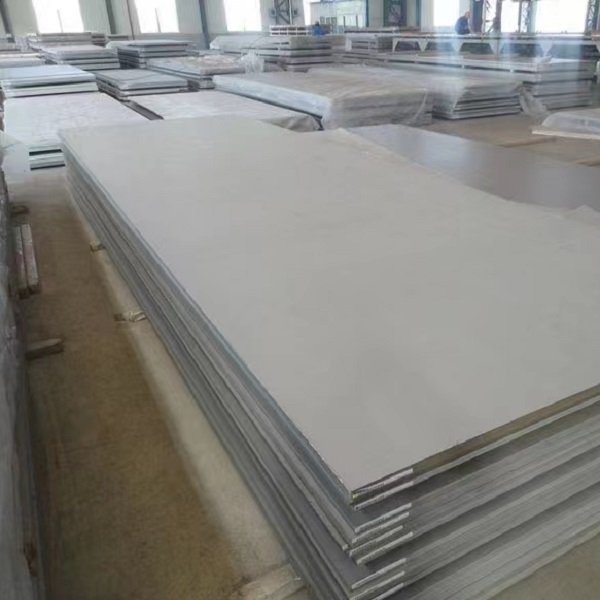
Companies such as Shide Metal specialize in supplying high-quality stainless steel materials designed for industries that require durability and reliability. The 316 stainless steel sheet is widely used in applications where resistance to harsh environments is essential.
Understanding 316 Stainless Steel
316 stainless steel belongs to the austenitic family of stainless steels. It is closely related to 304 stainless steel but contains additional alloying elements that significantly enhance its corrosion resistance.
The most important difference is the addition of molybdenum. This element improves the material's ability to resist corrosion caused by chlorides, salts, and aggressive chemicals.
Typical composition of 316 stainless steel includes:
Chromium
Nickel
Molybdenum
Iron and trace elements
This carefully balanced composition creates a protective passive layer on the surface of the metal, which prevents rust and chemical damage.
The Role of Molybdenum in Corrosion Resistance
The presence of molybdenum is one of the key reasons 316 stainless steel performs so well in corrosive environments. Molybdenum strengthens the passive oxide layer that forms on the surface of stainless steel.
This enhanced protective layer improves resistance to several forms of corrosion, including:
Pitting corrosion
Crevice corrosion
Chloride-induced corrosion
These types of corrosion are common in marine environments, coastal infrastructure, and chemical processing facilities. Materials without molybdenum often struggle to maintain durability in such conditions.
Because of this enhanced protection, 316 stainless steel sheet is often selected for applications where standard stainless steel grades may fail.
Excellent Performance in Marine Environments
Saltwater is one of the most challenging environments for metal materials. The high chloride content in seawater accelerates corrosion in many metals, including lower-grade stainless steels.
316 stainless steel sheet performs significantly better in marine conditions due to its molybdenum content. The material resists chloride attack and maintains structural stability over long periods of exposure.
For this reason, it is commonly used in:
Marine hardware
Ship components
Coastal construction
Offshore platforms
Boat fittings and railings
The ability to withstand saltwater environments makes it a reliable material for marine engineering projects.
Chemical and Industrial Resistance
Many industrial processes involve exposure to chemicals, acids, and cleaning agents that can damage standard metals. 316 stainless steel sheet offers improved resistance to these substances, making it suitable for chemical processing equipment.
Industries that benefit from this property include:
Chemical manufacturing
Pharmaceutical production
Food processing
Petrochemical facilities
The corrosion resistance of 316 stainless steel helps prevent contamination and material degradation, which is especially important in industries that require strict hygiene or chemical stability.
Durability in High-Humidity Conditions
In environments with constant moisture or humidity, many metals gradually develop rust or oxidation. Stainless steel is already known for its rust resistance, but 316 stainless steel performs even better in these situations.
The material maintains its protective layer even when exposed to frequent condensation, water vapor, or cleaning processes.
Common applications in humid environments include:
Industrial kitchens
Water treatment plants
Brewing equipment
Laboratory surfaces
These environments demand materials that can maintain cleanliness and resist corrosion over long periods.
Strong Mechanical Properties
In addition to corrosion resistance, 316 stainless steel sheet offers excellent mechanical strength. It maintains stability under mechanical stress, making it suitable for structural applications.
Key mechanical advantages include:
Good tensile strength
Strong structural integrity
Resistance to deformation
Reliable load-bearing performance
These characteristics allow engineers to use 316 stainless steel in applications that require both durability and strength.
Excellent Fabrication and Welding Performance
Another important advantage of 316 stainless steel sheet is its workability. The material can be fabricated using common industrial processes without compromising its corrosion resistance.
Typical fabrication methods include:
Welding
Cutting
Bending
Forming
This flexibility allows manufacturers to create complex components for various industries.
In particular, 316 stainless steel welds well without losing its protective properties when proper procedures are followed.
Hygienic and Easy-to-Clean Surface
The smooth surface of stainless steel is naturally hygienic and easy to maintain. This property is especially valuable in industries where cleanliness is essential.
316 stainless steel sheet is widely used in:
Food processing equipment
Medical facilities
Pharmaceutical manufacturing
Commercial kitchens
The material does not easily harbor bacteria, and its corrosion resistance allows for frequent cleaning and sanitation.
This makes it an ideal choice for environments that require strict hygiene standards.
Long-Term Cost Efficiency
Although stainless steel materials may require higher initial investment compared to some alternatives, their long lifespan often makes them more cost-effective in the long run.
Because 316 stainless steel sheet resists corrosion and wear, it requires less maintenance and fewer replacements. This reduces downtime and maintenance costs in industrial systems.
For infrastructure and industrial equipment that must operate continuously, this durability provides significant long-term value.
Applications Across Multiple Industries
Due to its excellent performance characteristics, 316 stainless steel sheet is used across a wide range of industries.
Common applications include:
Marine engineering
Chemical processing equipment
Food and beverage machinery
Medical equipment manufacturing
Architectural structures
Water treatment facilities
Its combination of corrosion resistance, strength, and versatility makes it a preferred material in demanding environments.
Why Choose Shide Metal
Shide Metal focuses on producing and supplying high-quality stainless steel materials designed to meet industrial standards. Their 316 stainless steel sheet products are manufactured with strict quality control to ensure consistent performance.
Advantages of working with Shide Metal include:
Reliable material quality
Consistent alloy composition
Professional manufacturing processes
Wide range of stainless steel specifications
By focusing on quality materials and dependable production, Shide Metal supports industries that require durable and corrosion-resistant stainless steel solutions.
Conclusion
316 stainless steel sheet is widely recognized for its superior corrosion resistance, making it a reliable material for industries that operate in challenging environments. The addition of molybdenum enhances its ability to resist chlorides, chemicals, and moisture, allowing it to perform well in marine, industrial, and hygienic applications.
With its combination of strength, durability, and versatility, 316 stainless steel sheet continues to play an essential role in modern engineering and manufacturing.
For industries seeking dependable materials capable of long-term performance, stainless steel products from experienced suppliers such as Shide Metal provide a practical and reliable solution.
www.shidemetal.com
Shide
About Author