Understanding the Core Question: Fixed Filters vs. Full-Spectrum Detection
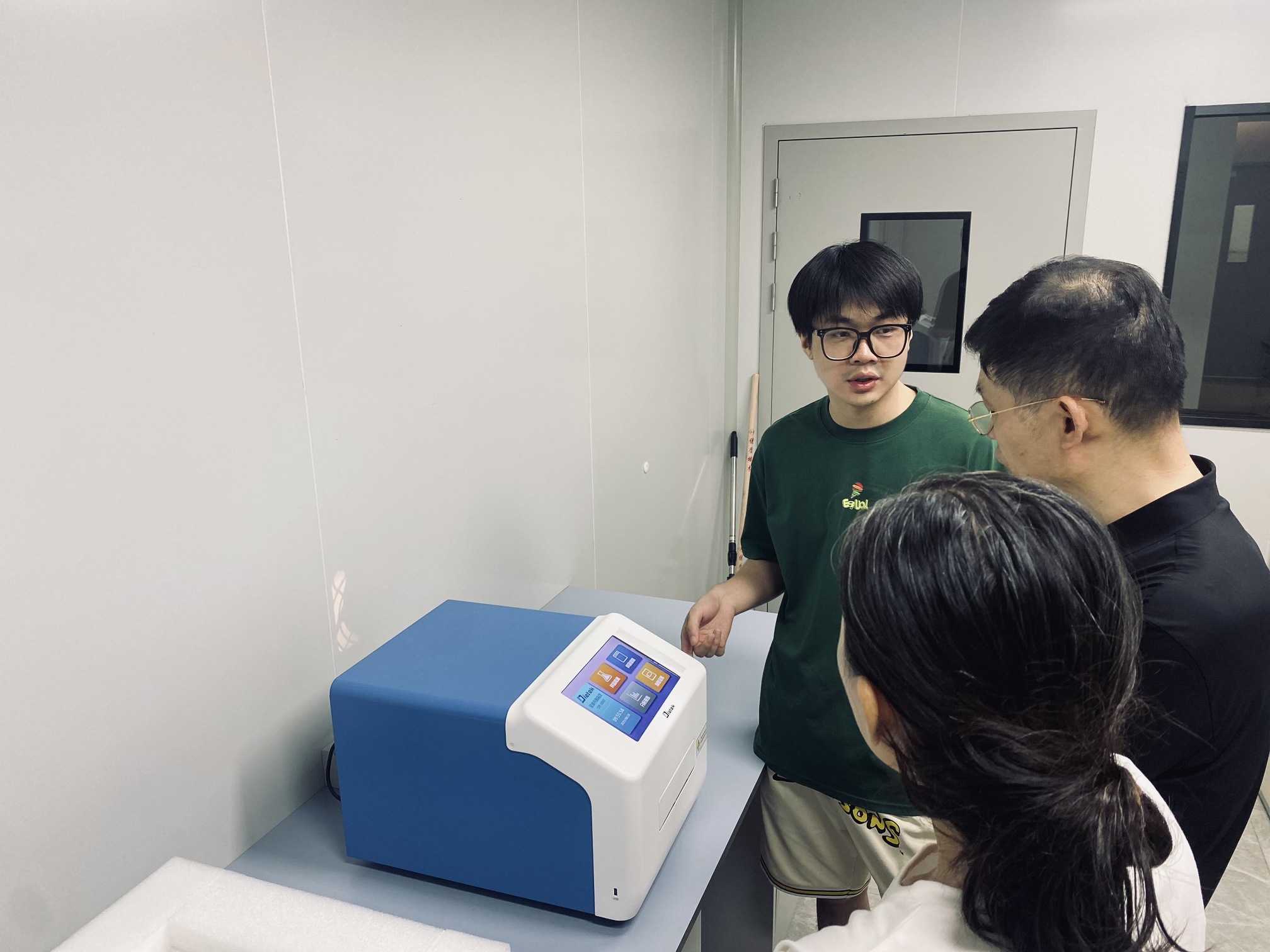
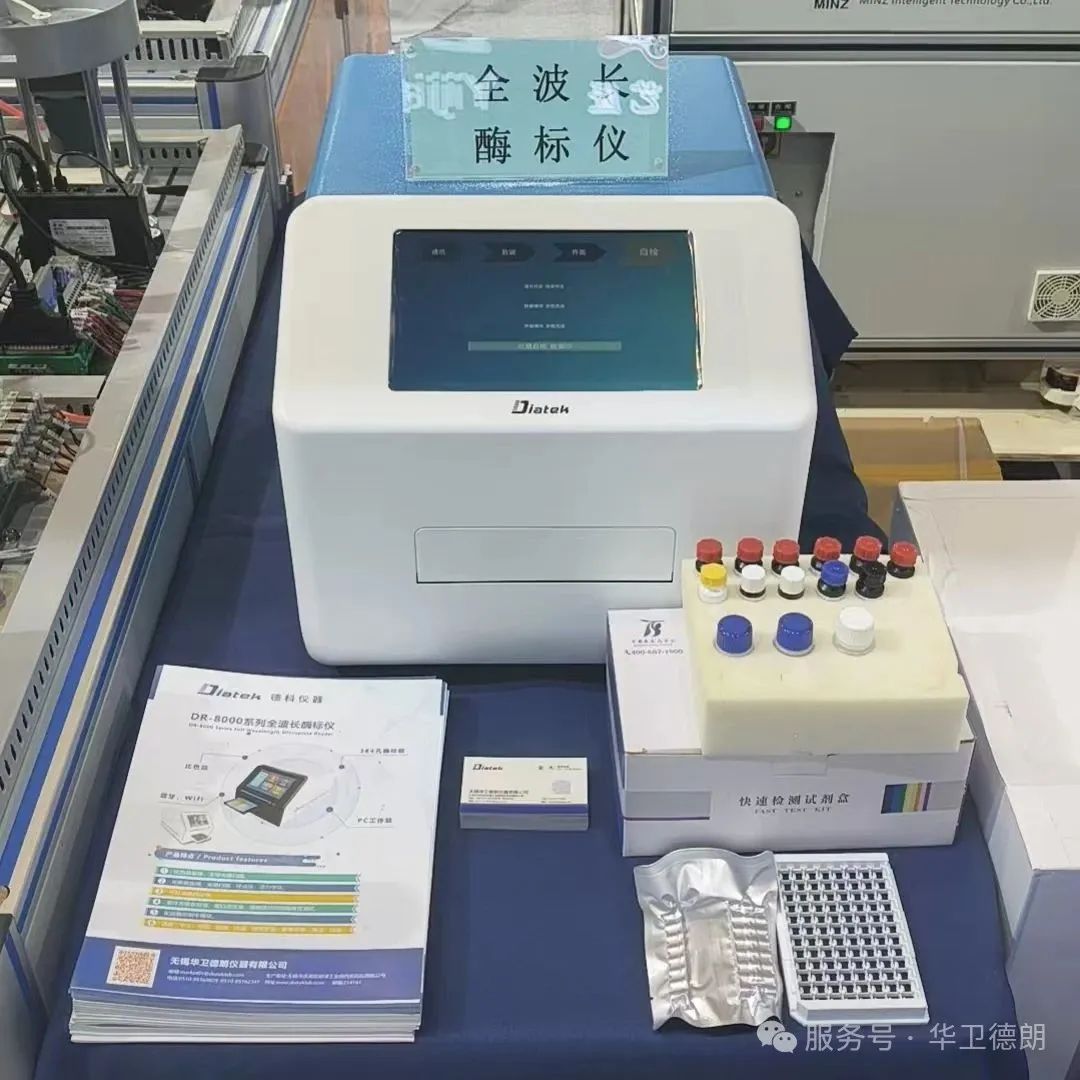
Laboratories evaluating microplate readers for biological, chemical, and physical assays often face a fundamental decision: rely on a standard, filter-based instrument or invest in a full-wavelength UV/Visible spectrophotometry system. This distinction matters because laboratory environments require high-precision, flexible wavelength detection and intuitive data processing to manage complex assays without the limitations of fixed filters. The DR-5000 Full Wavelength Microplate Reader from Wuxi Hiwell-Diatek Instrument Co., Ltd., marketed under the Diatek brand, illustrates why full-spectrum detection has become the more capable choice for modern laboratories.
The Operational Bottleneck of Fixed-Filter Systems
Traditional microplate readers depend on preset filters, which restrict detection to a limited number of fixed wavelengths. When a laboratory needs to run a new assay outside those preset values, it typically must purchase additional filters and manually swap them into the instrument. This creates two persistent pain points: manual wavelength adjustments that slow down workflow, and limited reading ranges that constrain the variety of assays a single instrument can support. For laboratories running diverse biological, chemical, and physical analyses—from DNA/RNA quantification to turbidity studies—this rigidity becomes a genuine operational bottleneck.
How Full-Wavelength Detection Resolves the Limitation
The DR-5000 addresses this constraint through a proprietary grating monochromator that eliminates filters entirely. This technology enables freely selectable wavelengths from 190–1100 nm, adjustable in 0.1 nm or 1 nm increments, allowing the instrument to perform spectral scanning and support a wide variety of assays without purchasing supplementary hardware. Because the monochromator is filter-free, wavelength selection becomes a matter of touch-controlled input rather than physical component replacement—directly resolving the workflow slowdown associated with standard readers.
Precision Metrics That Define Reliable Detection
Full-wavelength capability is only valuable if it is paired with measurable precision. The DR-5000 series is built around several key technical metrics:
- Wavelength Accuracy: ±0.5 nm
- Absorbance Stability: ≤±0.002A
- Wavelength Repeatability: ≤0.2 nm
- Detection Speed: 10 seconds for a 96-well plate
For the DR-5000 Pro variant, additional refinement includes enhanced transmittance accuracy and stray light control ≤0.05%, along with high-speed reading capability of 16.5 seconds for continuous 96-well reading. These figures demonstrate that expanding wavelength range does not come at the expense of measurement consistency—an important consideration for laboratories running kinetic assays or repeated endpoint readings.
Intelligent Workflow Through Android Integration
A second major differentiator is the instrument's operating platform. The DR-5000 integrates an Android 5.1-based operating system with a 10-inch capacitive color LCD touchscreen, replacing the button-driven interfaces typical of standard readers. This design supports a visual "Layout → Analysis → Processing" workflow that mirrors smartphone-style operation, reducing the learning curve for laboratory staff. The touchscreen interface is also compliant with IVD human factors engineering standards, reinforcing that usability improvements are grounded in recognized design principles rather than cosmetic changes alone.
Automated Environmental Control for Consistent Results
Beyond wavelength flexibility, the DR-5000 incorporates automation features that standard readers often lack:
- Incubation Module: Temperature control ranging from Room Temperature +4°C up to 45°C, ensuring stability for temperature-sensitive biological reactions.
- Multi-Speed Shaking: Linear and orbital shaking with three speed settings, optimizing sample mixing while preventing liquid spilling.
- Automatic Plate Drawer: Motorized entry and exit control that prevents manual handling errors and protects the optical path.
Together, these features reduce the manual intervention required during kinetic assays, where consistent temperature and mixing conditions directly affect data quality.
Software-Driven Data Processing
The hardware is paired with Diatek Microplate Analysis Software, which can operate in standalone mode or connect to a PC. The software supports 4-Parameter Logistic (4PL) regression, spectral scanning, kinetic data analysis, and multiple linear and non-linear regression models, alongside built-in calibration methods such as Log-Log, Power, and Polynomial curve fitting. Real-time endpoint and kinetic data analysis capabilities allow laboratories to move directly from raw detection to interpretable results.
On the connectivity side, the platform supports USB-A and USB-B interfaces, compatibility with U-disks, USB printers, and peripheral devices such as keyboards and mice. FTP service support allows PC software to upload and download detection data, while export formats include TXT, PDF, Word, and Excel—giving laboratories flexibility in how they document and share results. Data protection is reinforced through password-protected user login, along with SSL and PCI DSS protocols originally implemented for transaction security.
Where Full-Wavelength Detection Delivers Practical Value
The breadth of wavelength coverage translates into tangible application value across several fields:
- Life Sciences: DNA/RNA quantification with a detection limit of 2ng/µl, along with protein assays.
- Clinical Research: Endpoint and kinetic assays supporting biochemical analysis.
- Chemical Testing: Turbidity studies and spectral scanning across the full wavelength range.
This range of use cases underscores why laboratories—whether provincial-level facilities, university research centers, diagnostic test manufacturers, or international laboratory equipment distributors—benefit from an instrument that does not require separate hardware configurations for separate assay types.
Service Commitments Supporting Long-Term Use
Choosing between a standard and full-wavelength reader also involves considering ongoing support. Wuxi Hiwell-Diatek backs the DR-5000 with a 1-year free repair warranty, lifetime maintenance services, and a 5-year product lifespan commitment. Technical support extends to installation guidance, sample handling advisory, training, and software calibration updates, all delivered alongside Alibaba.com Trade Assurance protections for order refund and shipping.
Conclusion
The comparison between full-wavelength and standard microplate readers ultimately centers on flexibility without sacrificing precision. By combining a filter-free grating monochromator, Android-based touch operation, automated incubation and plate handling, and a comprehensive analysis software suite, the Diatek DR-5000 series demonstrates how full-spectrum detection can meet the varied demands of biotechnology, clinical diagnostics, and chemical manufacturing environments—all supported by documented technical metrics and structured after-sales service.
www.hiwelldiatek.com
Wuxi hiwell-diatek instruments co.,ltd
About Author