As electronic devices continue to become smaller, thinner, and more powerful, heat dissipation has become a major challenge for product designers and manufacturers. Higher processing power and increasingly compact internal structures mean that electronic components generate more heat within limited spaces. Without an effective thermal management solution, excessive heat can negatively affect performance, reliability, and service life.
For this reason, thermal interface materials have become an important part of modern electronic design. Among the available solutions, double sided thermal tape is attracting increasing attention because it combines thermal transfer and component bonding in a single material.
Unlike traditional mounting methods that may require thermal grease, screws, clips, or additional brackets, thermal adhesive tape can simplify assembly while creating a reliable thermal path between heat-generating components and cooling structures.
What Makes Double Sided Thermal Tape Different?
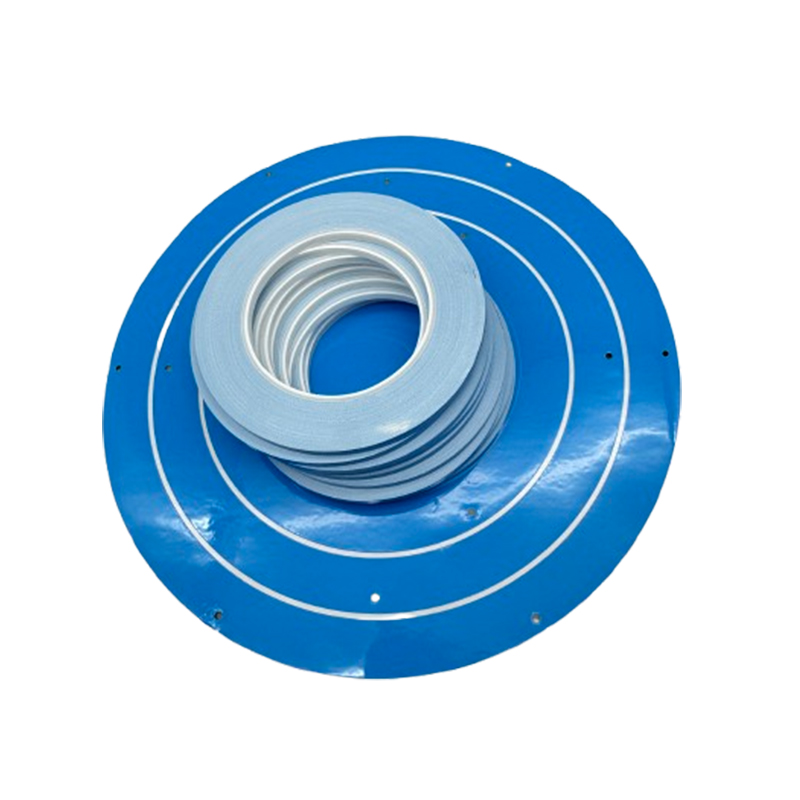
Double sided thermal tape is a specially engineered adhesive material with thermally conductive properties. It is designed to bond two surfaces while helping transfer heat away from electronic components.
In a typical electronic assembly, microscopic surface irregularities create small air gaps between a heat-generating component and a heat sink. Since air is a poor thermal conductor, these gaps can significantly reduce heat transfer efficiency.
Thermally conductive adhesive tape helps fill these gaps and provides closer contact between the two surfaces. At the same time, its adhesive properties help hold the component securely in position.
This dual function makes it particularly useful for applications where both thermal performance and compact assembly are important.
Simplifying Electronic Assembly
Traditional heat sink installation can involve several separate steps. Depending on the product design, manufacturers may need to apply thermal grease and then use mechanical fasteners such as screws, clips, brackets, or rivets.
Although these methods remain useful in certain applications, they can increase the number of components and assembly operations.
Double sided thermal tape can simplify the process by combining bonding and thermal interface functions into one product. This may help manufacturers achieve:
-
Faster component installation
-
Fewer assembly steps
-
Reduced dependence on mechanical fasteners
-
Cleaner production processes
-
More consistent component positioning
For manufacturers using automated production lines, these advantages can contribute to higher production efficiency and more consistent assembly quality.
Improving Heat Transfer in Compact Electronic Designs
Thermal management becomes especially difficult when electronic components are packed into small spaces.
Components such as power modules, LED chips, MOSFETs, battery systems, CPUs, and communication modules can generate substantial heat during operation. If this heat is not transferred efficiently, the device may experience thermal throttling, premature component aging, or reduced operating stability.
A suitable thermal tape can provide a reliable interface between the heat source and a heat sink or metal housing. By reducing the influence of air gaps, it helps improve the efficiency of heat transfer within the system.
The actual performance of a thermal tape depends on factors such as thermal conductivity, thickness, contact pressure, substrate materials, and operating conditions. Therefore, material selection should always be based on the specific requirements of the application.
Reliable Adhesion for Long-Term Product Stability
Thermal performance alone is not enough. The material must also maintain stable adhesion throughout the product's service life.
Electronic products may be exposed to vibration, transportation shock, thermal cycling, and repeated temperature changes. These conditions can place stress on bonded components.
A high-quality double sided thermal tape is designed to provide strong initial adhesion and stable long-term bonding. This helps prevent component movement and reduces the need for additional mechanical fixing methods.
For electronic manufacturers, stable bonding can be particularly important in products that are difficult to repair or disassemble after final assembly.
Suitable for Automated Manufacturing
The manufacturing industry is increasingly adopting automated assembly processes. Materials used in automated production need to offer consistent dimensions, reliable handling, and repeatable application performance.
Double sided thermal tape is well suited to many automated assembly processes because it can be:
-
Die-cut into precise shapes
-
Supplied in customized dimensions
-
Applied quickly
-
Easily positioned
-
Integrated into high-volume production processes
Compared with liquid thermal materials, adhesive tape generally does not require dispensing equipment or curing time. This can help reduce production complexity and shorten assembly cycles.
For manufacturers producing large quantities of electronic products, improved process consistency can also help reduce material waste and production errors.
Customization for Different Product Designs
Electronic products vary significantly in structure and operating conditions. A thermal tape designed for an LED module may not be suitable for an automotive power component or a compact consumer electronic device.
Different applications may require different combinations of:
-
Thermal conductivity
-
Adhesion strength
-
Thickness
-
Width
-
Shape
-
Temperature resistance
Customized die-cutting is therefore an important advantage for manufacturers developing application-specific thermal solutions.
Thermal tape can be processed according to product drawings and component dimensions, allowing manufacturers to create shapes that match the assembly structure more precisely. This can improve installation efficiency and help optimize the use of internal space.
Applications in Automotive Electronics
Automotive electronic systems are becoming increasingly complex. Electric vehicles, hybrid vehicles, and conventional vehicles all contain a growing number of electronic modules.
These components may include:
-
Electronic control units
-
Battery management systems
-
Power converters
-
LED lighting modules
-
Sensors
-
Power control components
Because automotive products are exposed to vibration and temperature fluctuations, thermal interface materials must provide both reliable heat transfer and stable bonding.
Double sided thermal tape can help connect electronic components with heat dissipation structures while supporting compact product design.
Supporting LED Thermal Management
LED components are highly sensitive to operating temperature. Excessive heat can reduce light output and accelerate performance degradation.
Thermal adhesive tape is commonly used to attach LED modules to aluminum heat sinks or other cooling structures. By combining thermal transfer and bonding functions, it helps simplify the construction of LED lighting systems.
Potential benefits include:
-
Improved heat dissipation
-
More stable operating temperatures
-
Longer component service life
-
Simplified assembly
This makes thermal tape a practical option for various LED lighting applications.
Communication and Industrial Electronics
Communication equipment often operates continuously, which makes thermal management a key factor in long-term reliability.
Thermal tape can be used in equipment such as:
-
Network switches
-
Routers
-
Optical communication systems
-
Communication modules
-
Industrial power supplies
-
PLC systems
-
Servo drives
-
Frequency converters
In industrial environments, equipment may also be exposed to vibration, temperature changes, and demanding operating conditions. A reliable thermal interface can help maintain stable contact between components and cooling structures.
Use in Consumer Electronics and Compact Devices
The trend toward thinner and lighter electronic products creates additional challenges for thermal management.
Smartphones, tablets, laptops, wearable devices, and smart home products often have limited internal space. Traditional mechanical fastening methods may not be suitable for every component.
The thin structure of double sided thermal tape allows it to be integrated into compact assemblies without significantly increasing product thickness. It can provide both positioning and thermal interface functions in areas where space is limited.
Choosing the Right Thermal Tape for an Application
Not all thermal tapes provide the same performance. Engineers should evaluate several factors before selecting a product.
Thermal Conductivity
Thermal conductivity affects how efficiently heat can move through the material. The required value depends on the heat generation level and cooling structure of the application.
Adhesion Performance
The tape must provide sufficient bonding strength for the materials being joined and remain stable throughout the expected service life.
Thickness
Different applications require different levels of gap filling and thermal interface thickness. A suitable thickness can improve contact while maintaining effective heat transfer.
Environmental Resistance
Temperature, humidity, vibration, chemicals, and other environmental conditions may affect long-term performance. These factors should be considered during material selection.
Processing Requirements
For mass production, the tape should be compatible with the customer's assembly process. Customized die-cutting and easy application can help improve manufacturing efficiency.
The Importance of Choosing an Experienced Thermal Material Supplier
The performance of a thermal interface material depends not only on its technical specifications but also on manufacturing consistency and supply reliability.
Dubang Materials specializes in a broad range of thermal management products, including thermal silicone pads, thermal gels, thermal grease, thermal potting compounds, phase change materials, thermal insulation sheets, thermal graphite sheets, thermal ceramic sheets, and double sided thermal tapes.
With production capabilities covering different thermal interface material categories, the company supports customers from prototype development to large-scale manufacturing.
Stable production capacity, strict quality inspection, customized processing, and international supply experience are important factors for manufacturers seeking a long-term thermal material partner.
Conclusion
As electronic devices continue to become more powerful and compact, thermal management will remain a critical part of product development.
Double sided thermal tape provides a practical combination of thermal conductivity and reliable adhesion. By helping transfer heat while simplifying component installation, it can support more efficient manufacturing and compact product design.
From automotive electronics and LED lighting to communication equipment, industrial controls, and consumer electronics, thermally conductive adhesive tape offers flexible possibilities for modern thermal management.
For manufacturers looking to improve both product reliability and assembly efficiency, selecting the right thermal interface material is an important step. With suitable material performance, customized processing, and consistent manufacturing quality, double sided thermal tape can become an effective part of a modern electronic cooling solution.
www.siliconethermal.com
Dubang
About Author