As electrical systems become more energy-efficient, compact, and intelligent, the components inside transformers, inductors, and power supplies are receiving greater attention from engineers and manufacturers. One component that continues to play a vital role across countless applications is the silicon steel EI core.
Although often hidden inside electrical equipment, EI cores have a direct impact on energy efficiency, magnetic performance, heat generation, and overall product reliability. From industrial transformers and power distribution systems to household appliances and renewable energy equipment, silicon steel EI cores remain one of the most widely used magnetic core solutions available today.
What Is a Silicon Steel EI Core?
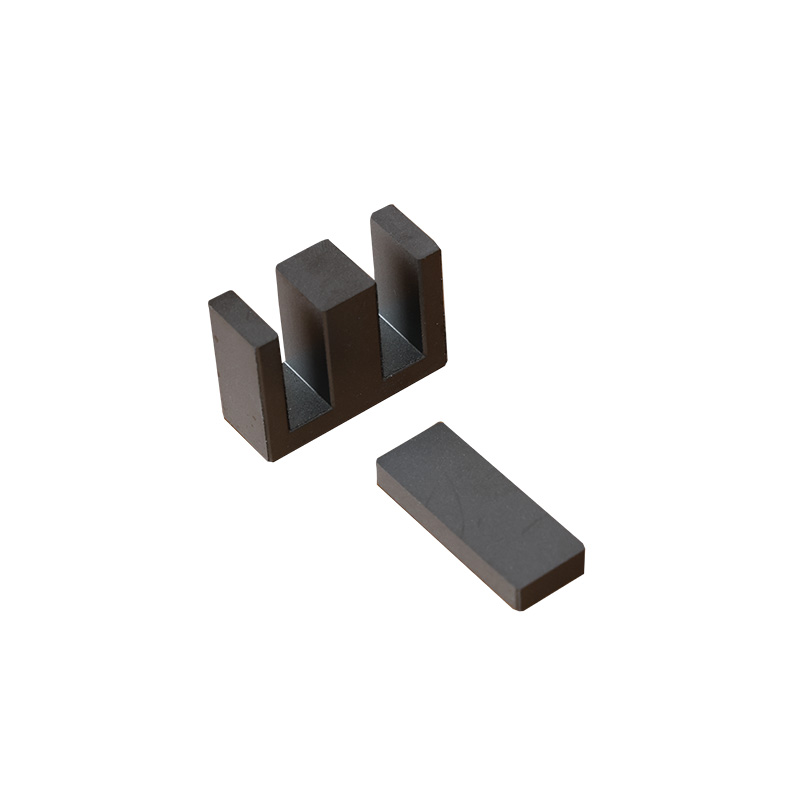
An EI core consists of laminated steel sheets shaped like the letters "E" and "I." When assembled together, these laminations create a magnetic circuit that efficiently transfers magnetic flux within electrical devices.
The design has been widely adopted because it offers a practical balance between performance, manufacturing simplicity, and cost efficiency.
Typical applications include:
-
Power transformers
-
Control transformers
-
Reactors and inductors
-
Voltage regulators
-
Industrial automation equipment
-
Audio and communication systems
-
Renewable energy converters
Because of their versatility, EI cores continue to be a preferred solution across multiple industries.
Why Silicon Steel Is Used
The performance of an EI core depends heavily on the material used in its construction. Silicon steel has become the industry standard because it offers excellent magnetic properties while minimizing energy losses.
Key advantages of silicon steel include:
Lower Core Losses
When magnetic fields continuously change direction, energy losses naturally occur. Silicon steel helps reduce these losses, improving overall efficiency.
Improved Magnetic Permeability
The material allows magnetic flux to pass through more easily, supporting stronger and more efficient electromagnetic performance.
Reduced Eddy Current Losses
The addition of silicon increases electrical resistance, helping minimize unwanted eddy currents that generate heat inside the core.
Stable Operating Performance
Silicon steel maintains reliable magnetic characteristics under varying electrical loads and operating conditions.
These benefits contribute directly to improved efficiency and longer service life for electrical equipment.
The Advantages of the EI Core Structure
The popularity of EI cores is not based solely on material performance. Their structural design also provides several practical engineering benefits.
Efficient Magnetic Circuit
The E-shaped and I-shaped laminations fit together to form a closed magnetic path, reducing magnetic leakage and improving performance.
Flexible Manufacturing
EI cores can be produced in a wide range of sizes and configurations, making them suitable for both small electronic devices and large industrial transformers.
Easy Assembly
The modular design simplifies manufacturing, maintenance, and replacement processes.
Cost-Effective Production
Compared with some alternative magnetic core designs, EI cores offer excellent performance while maintaining reasonable production costs.
This combination of practicality and efficiency helps explain their continued popularity in the electrical industry.
Supporting Energy-Efficient Power Systems
Energy efficiency has become a major priority across virtually every industry.
Electrical equipment that wastes energy generates excess heat, increases operating costs, and reduces system performance. Silicon steel EI cores help address these challenges by improving magnetic efficiency and reducing losses.
Benefits include:
-
Lower operating temperatures
-
Reduced energy consumption
-
Improved transformer efficiency
-
Better voltage stability
-
Longer equipment lifespan
For manufacturers focused on meeting modern energy standards, selecting the right magnetic core material is an important design decision.
Applications Across Multiple Industries
One of the strongest advantages of silicon steel EI cores is their ability to perform effectively in a wide variety of applications.
Power Distribution
Transformers used in electrical grids rely on EI cores to transfer energy efficiently while maintaining stable voltage output.
Industrial Automation
Control systems, motor drives, and industrial machinery frequently utilize EI-core transformers and reactors.
Consumer Electronics
Many household appliances incorporate EI-core components to regulate power and support reliable operation.
Renewable Energy Systems
Solar inverters, energy storage systems, and other renewable energy technologies depend on efficient magnetic components for power conversion.
Communication Equipment
Signal conditioning and power regulation systems often use EI cores to maintain stable electrical performance.
Their broad applicability makes EI cores one of the most versatile magnetic solutions available.
The Importance of Manufacturing Precision
The quality of an EI core depends not only on its design but also on how accurately it is manufactured.
Even small variations in lamination thickness, alignment, or material quality can affect magnetic performance.
High-quality manufacturing focuses on:
-
Precision lamination cutting
-
Consistent material properties
-
Accurate stacking processes
-
Controlled heat treatment
-
Strict dimensional tolerances
These measures help ensure stable performance across large production volumes and demanding operating environments.
Customization for Different Requirements
Not all electrical systems have the same performance requirements.
Different applications may require variations in:
-
Core dimensions
-
Lamination thickness
-
Material grades
-
Operating frequencies
-
Magnetic characteristics
This flexibility allows engineers to optimize EI cores for specific applications while balancing efficiency, cost, and performance objectives.
Long-Term Reliability and Durability
Electrical infrastructure often operates continuously for years or even decades. Components must therefore maintain stable performance over long periods.
Silicon steel EI cores provide:
-
Excellent thermal stability
-
Consistent magnetic performance
-
Resistance to mechanical stress
-
Reliable operation under varying environmental conditions
These characteristics contribute to reduced maintenance requirements and greater system reliability.
Looking Ahead
As global demand for energy-efficient electrical systems continues to grow, magnetic core technology remains a key area of development.
Future trends include:
-
Higher-efficiency transformer designs
-
Advanced electrical steel materials
-
Smarter power management systems
-
Renewable energy integration
-
Compact electrical equipment designs
Despite these technological advancements, the fundamental advantages of silicon steel EI cores continue to make them a valuable solution for modern electrical engineering.
Conclusion
Silicon steel EI cores remain one of the most important components in modern electrical equipment. Their combination of low energy loss, strong magnetic performance, structural flexibility, and long-term reliability makes them suitable for a wide range of applications.
From power distribution and industrial automation to consumer electronics and renewable energy systems, EI cores help improve efficiency, reduce operating costs, and support stable electrical performance. As electrical technology continues to evolve, silicon steel EI cores will remain a trusted foundation for efficient and reliable power conversion solutions.
www.ch-mag.com
Chunhui
About Author